Ventilation systems for schools, institutes, and universities
Although COVID-19 is a disease that still generates much uncertainty, it is true that, little by little, more quality information about its transmission is becoming known.
One of these highlighted aspects is that, as the Ministry of Health states in multiple reports, the viruses contained in aerosols have the ability to cause infection, especially under certain circumstances: in proximity to the index case for a prolonged time and in closed and poorly ventilated spaces.
For this reason, health recommendations always appeal to gathering of non-cohabiting individuals in outdoor environments.
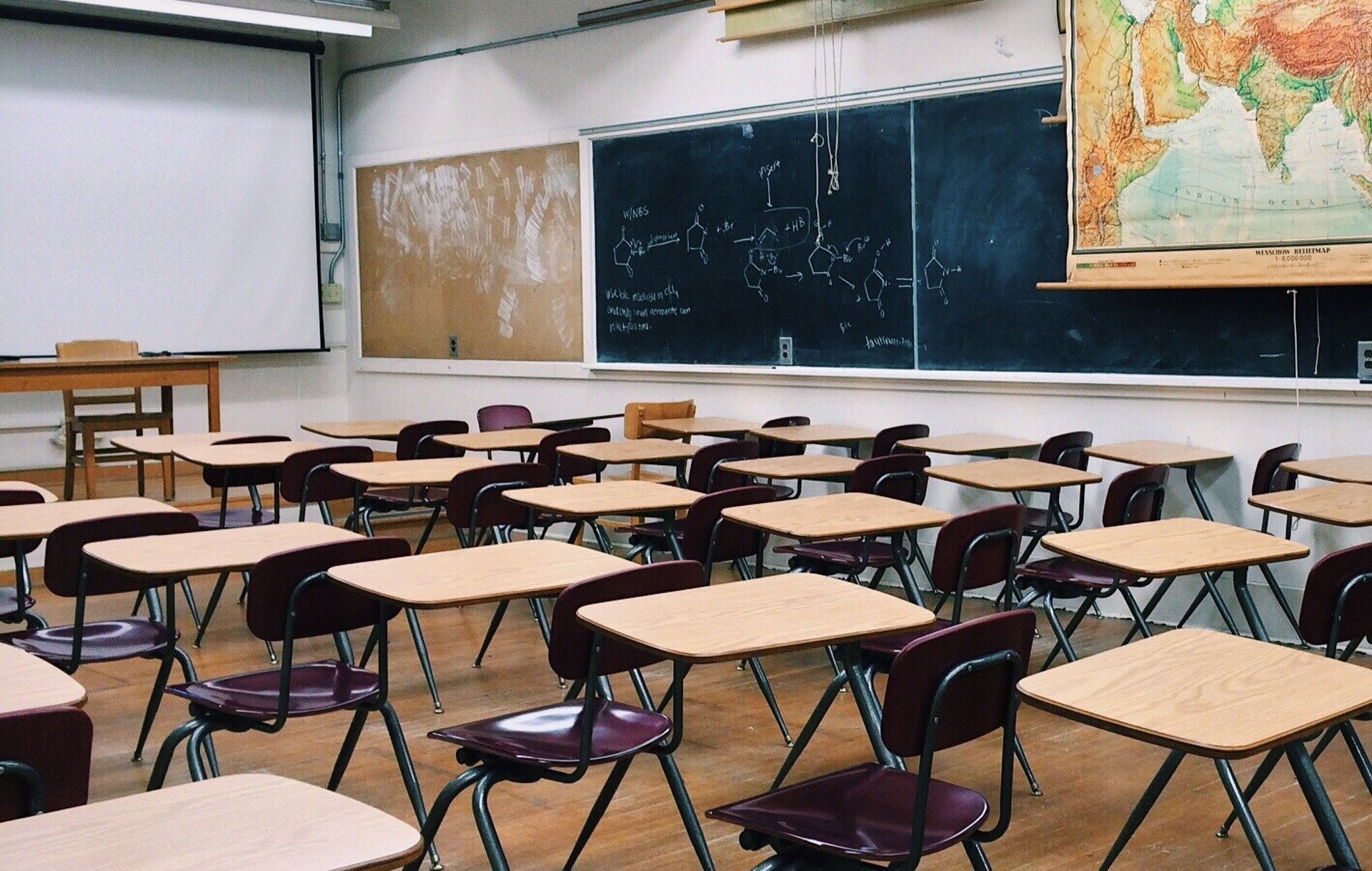
However, this fact cannot always be carried out, as there are activities that force staying in indoor spaces. For example, students attending classes in person. In these cases, it is vital to have ventilation systems for schools, institutes, and universities.
Is it enough to have ventilation systems for schools, institutes, and universities?
The Spanish Government itself has established a series of guidelines for this type of space. They emphasize how important it is to renew the air and for this, they recommend at least 12.5 liters per second (l/s) per occupant, which is the value that the Regulations for Thermal Installations in Buildings assign to good quality air.In addition to having good ventilation systems for schools, institutes, and universities, it is also necessary to take some measures to reduce the risk of contagion in these closed spaces:
- Reduce the number of students per classroom.
- Maintain social distancing.
- Wear a mask at all times.
- Wash hands frequently.
- Do not speak loudly or remain silent whenever possible.
- Ventilate naturally and frequently by opening windows and/or doors to achieve optimal cross-ventilation.
Monitoring schools to determine the air quality
A study conducted by the University of Burgos in 2017 is more relevant than ever. In its development, the aim was to collect results through monitoring one classroom in each Spanish province during school hours and calendar.The conclusions drawn were quite enlightening. The environmental quality conditions inside Spanish schools are, in general, very poor.
For example, regarding hygrometric comfort (a parameter that relates ambient temperature and relative humidity), only 68% of the time classrooms are found in suitable conditions. A more concerning fact is the case of CO2 levels, as it reduces to almost 30% the number of schools with acceptable levels.
There are scientific studies that relate poor ventilation conditions inside classrooms with an impact on academic performance and, of course, also with the health of students. Therefore, the goal is clear: to work on preventing airborne transmission of viruses and diseases by improving air quality.
To delve deeper into this study conducted by the University of Burgos, we leave below a link to the presentation video of the study results.
What can be achieved with ventilation systems for schools, institutes, and universities?
On multiple occasions, it has been said that educational institutions had to choose between feeling cold or having clean air. Even on many occasions, keeping windows open for long periods is not enough. Thus, it must be taken into account that natural ventilation is not always the only available alternative. It is highly recommended to have mechanical ventilation systems.In these pandemic times, we have seen how many institutions are leaning towards acquiring portable purification units with HEPA filters, with which they continue needing to open windows and feel cold to refresh the CO2 inside the classroom. Whereas with a centralized mechanical ventilation system, with appropriate filtration, the need to feel cold would be minimized, if not eliminated.
If we had to design an ideal ventilation system, there is no doubt that it would be a combination, on one hand, of filtration and purification, and on the other hand, of renewing stale air supplied with fresh air. A good mechanical ventilation system achieves both effects simultaneously, continuously renewing the indoor air in classrooms, which minimizes the risk of contagion.
In short, it is clear that the choice of ventilation systems for schools, institutes, and universities depends both on the needs of the institutions themselves and their budget. Nevertheless, they are a vital tool, not only in the fight against coronavirus but also in ensuring healthy and renewed air in classrooms that allows students to give their best.
You can make any inquiries at siber@siberzone.es

Siber Ventilation
Related posts