Thermal solar energy in eco-friendly homes
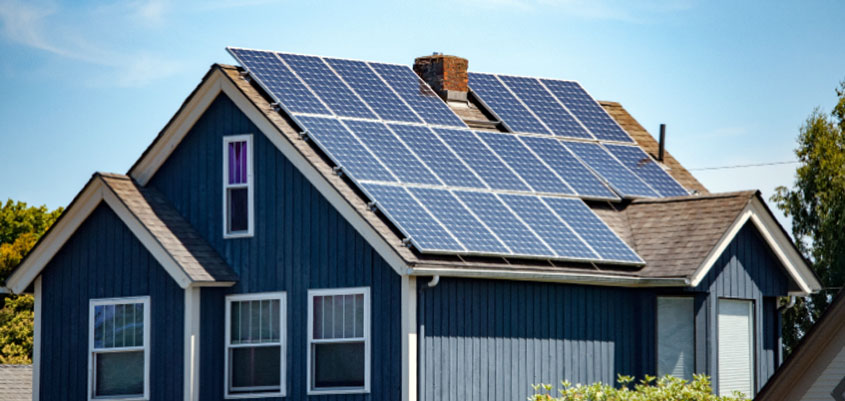
In the quest to find energy efficiency in the home, the best way is to avoid the excessive cost of electricity and other supplies. This way, we not only cut economic expenses but also improve the environment and pollute less, which is especially important in our cities, as the major polluters are buildings. The other aspect where we can improve a building's energy efficiency is through the use of renewable energies. For example, with the installation of solar panels, which are very present in single-family projects and in large buildings focused on sustainability. The panels can be used to generate photovoltaic energy, the most conventional, or to develop thermal solar energy.
However, thermal solar energy is one of the most common renewable technologies in our country and is present in many homes. This is because in 2006 the Technical Code of Building made it mandatory for all new buildings to have this type of energy efficiency system.
Thermal solar energy is different from photovoltaic energy, although they are often confused. We could differentiate them as follows:
- Photovoltaic energy collects solar radiation from rays on solar panels to convert it into electricity to be used in the building.
- Thermal solar energy transforms solar rays and heat from solar radiation into heat that can be used inside homes. The two main uses are sanitary water and heating.
Initially, we cannot know for sure if when we open a tap we are enjoying hot water from solar heat or not, as the system is similar to hybrid cars: if the home can use only thermal solar energy, it will do without traditional sources. So there are times when one source will be used or the other, or a combination of both.
The energy efficiency of the thermal solar system will depend on the following factors:
- The season of the year and the weather on that day. For example, solar radiation is very high in summer, so most of the hot water has the thermal solar system as a source of supply. On very sunny winter days, it can also be an important source, and if we are in winter on cloudy days, the use of the system will be limited.
- The location of the home. Of course, the sun enjoyed in the Andalusian coast will not be the same as that found in Galicia. Thermal solar energy will require energy input from the main boiler depending on the region we are in. Similarly, it is not just about the province we are in but also about the altitude and, of course, the clouds present that day.
Using thermal solar energy to heat spaces
Through the solar radiation collected by our thermal solar energy system, it is possible to raise the temperature of the water in radiators or underfloor heating systems by a few degrees. In this way, the increased energy cost of traditional air conditioning, which is always very high, will be reduced through the contribution from the solar panels.In this case, it is a great help for places where heating is always on, for example, a gym or a hotel. The heating works by water coming from the general network, and in winter is when it is coldest. If that water comes from the thermal solar system, it arrives much less cold, so the cost of heating it is considerably lower.
A large abundance of sun can mean in this case support for heating our homes, although this technology does not end here. There are also mechanisms to cool spaces in summer, which is when it is hottest and the sun’s rays are strongest. Although in this case it is more complex and requires experienced personnel in thermal solar energy, which as we have mentioned is mandatory under the CTE.

Siber Ventilation
Related posts