






The Passivhaus standard and respect for the environment
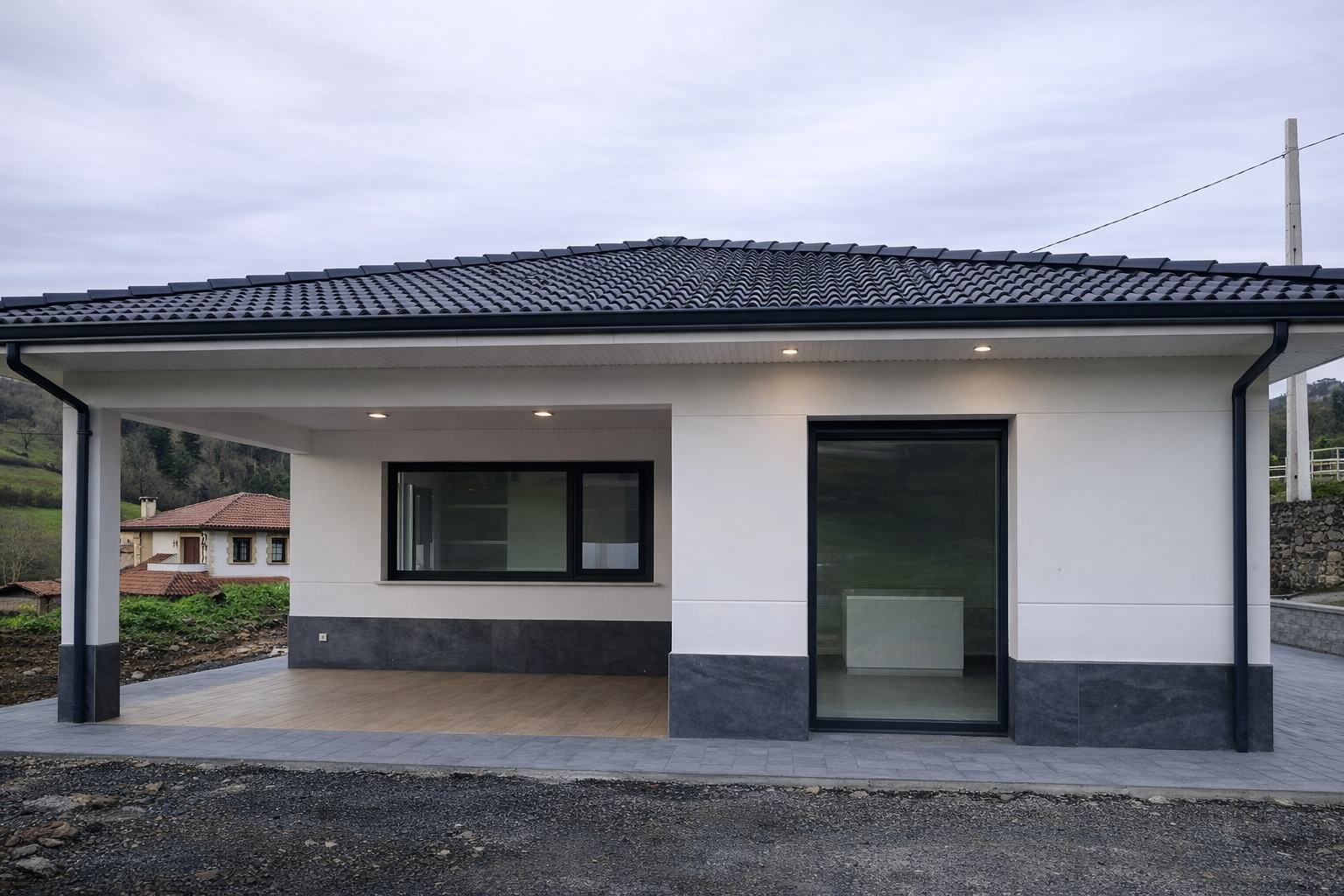
We can consider the Passivhaus standard as the paradigm of respect for the environment. In this article, we will explain the key concepts of the standard and the importance of the ventilation system in this type of buildings.
Passive houses and respect for the environment
This is a construction model that is respectful of the environment which, with very low energy demand, aims for a high level of comfort. Since these buildings pursue almost zero consumption, both the energy bill (a factor to consider given the relentless increase in energy prices) and the ecological footprint left by construction processes are reduced.Fundamentals of the Passivhaus standard
• Total utilization of energy during winter, thanks to the technical and construction characteristics of the envelope that retains all the heat captured in winter.• Total utilization of natural light during the winter season, thanks to the correct orientation of the building.
• Limitation of solar radiation during the summer, thanks to the technical and construction requirements of an envelope that allows heat dissipation in summer.
Design criteria
• Compactness. The goal is to achieve compact buildings to reduce energy loss through the envelope.• Good orientation. Good orientation must consider solar radiation and wind effects on the building's envelope.
• Solar protection. A good solar protection system will shield against radiation during the summer without compromising the necessary energy capture during the winter.
• Solar reflectivity. The aim is to achieve an envelope with high solar reflectivity to minimize radiation absorption and thereby limit cooling demand during the summer.
The importance of the ventilation system
To considerably reduce the energy bill, it is essential to install a mechanical ventilation system (in which both the extraction of stale air and the inflow of clean air) with a heat recovery unit. Thanks to its installation, a large part of the energy from the contaminated air that is expelled outside is recovered. This energy (without contact between both fluids to avoid the transfer of odors) is transferred to the flow of fresh, contaminant-free air that is blown indoors.According to the current regulations, indoor spaces must ensure quality indoor air that guarantees the correct extraction of the contaminating particles produced by the usual use of the rooms. The contaminants that may endanger the well-being and health of individuals are as follows: CO2 resulting from the users' metabolic activities (respiration); harmful gases (such as radon); water vapor originating from cooking sources, humid rooms, and human activity; volatile organic compounds emitted by synthetic materials (paints and solvents).
Since it is a ventilation that occurs constantly, controlled mechanical ventilation is the ideal solution to provide our interiors with air of optimal quality and free of unpleasant and annoying odors. Thanks to the installation's filters, up to 90% of the pollen and other harmful particles contained in the air are filtered.


Siber Ventilation