The Controlled Demand for Ventilation - When to Resort to It?
We are living in a time when energy is scarce and its price keeps rising. For this reason, efficiency and savings have become critically important, especially if we assume that reducing consumption should not lead to lower standards of health and quality of life. In this sense, the controlled demand for ventilation plays a fundamental role.
What is controlled demand for ventilation?
The controlled demand for ventilation (DCV) is a technology that perfectly adapts to the current energy circumstances. Specifically, it is a system that automatically adjusts the airflow based on the needs of the space and its occupants.To achieve this, DCV systems calculate the actual ventilation requirements of the space based on a series of devices:
- Sensors. For carbon dioxide (CO2), humidity, temperature, and air quality. For this last one, they detect volatile organic compounds (VOCs). They also measure the percentages of hydrogen, oxygen, chlorine, nitrogen, sulfur, and fluor present in the environment.
- Human presence detectors. Their purpose is to indicate whether a space is occupied or not and how many people are inside it.
- Other elements. This category includes speed and flow controllers, motorized dampers, or frequency converters, for example.
Types of buildings where it can be applied
One of the main attractions of DCV systems concerning energy efficiency and ventilation is their versatility. Specifically, the following types of buildings benefit from its installation.Homes
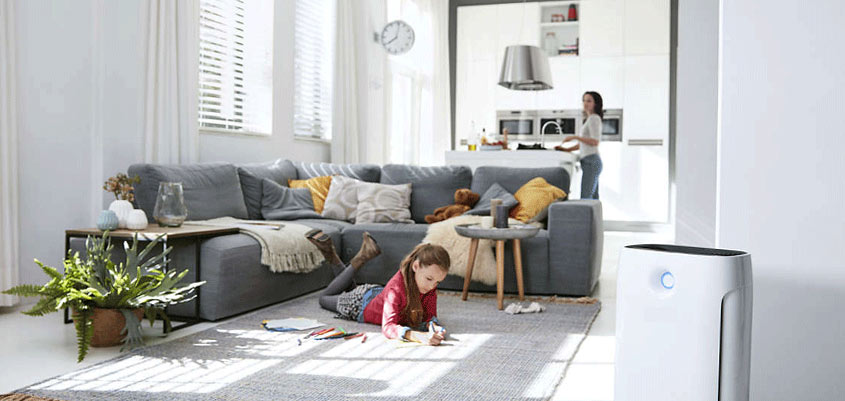
We refer specifically to single-family homes and apartments located in homeowner associations. The problem with these properties is that, to comply with legal thermal insulation requirements, their ability to ventilate naturally and efficiently is compromised. Therefore, mechanical ventilation is the best solution in this regard.In these properties, DCV systems must be multi-zone, as kitchens and bathrooms have special ventilation needs. Let's not forget that smoke emissions from cooking and condensation particularly affect these spaces.
For this reason, it is essential that they have independent control parameters regarding the living room and bedrooms. Fortunately, being an intelligent technology that automatically adapts to circumstances, the user doesn't have to do anything to ensure the quality of the air they breathe.
As advantages, we can say that the work of these systems reduces CO2 concentrations. It also improves air quality by detecting VOC particles, eliminates bad odors, and adjusts humidity levels, which prevents the proliferation of mold.
Buildings in the service sector
Within this group, we include restaurants, hotels, and even public administration buildings. In this case, DCV systems must ensure air quality for both workers and users and customers.As is evident, these are ventilation and energy-saving technologies that are more complex due to the characteristics of these buildings. Therefore, the design must be carried out according to the existing architectural barriers, as they determine the installation of single-zone or multi-zone systems.
The advantages they offer are practically the same as those described earlier. However, in addition, they provide reducing the risk of contagion from diseases like COVID-19.
In summary, controlled demand ventilation systems are valuable resources for the energy efficiency of our home and tertiary sector establishments. Thanks to them, we will enjoy high-quality air in indoor spaces without worrying about making manual adjustments, which is very important also in terms of energy savings.

Siber Ventilation
Related posts

Why is mechanical ventilation necessary in homes?

Constant flow ventilation systems, how do they work?