


What is a temperature sensor and what is it used for?

A sensor is an object capable of detecting physical magnitudes called instrumentation variables such as light intensity or temperature.
Smoke detectors: types, operation, and installation

Smoke and gas sensors are equipment that prevent potential risks due to the presence of toxic or flammable gases
Operation of smoke extractors: principles and components
When it is possible to locate the point where the contamination originates, the smoke extractor becomes the most efficient and economical system
The ventilation system of a greenhouse: natural and mechanical ventilation

Ventilation in a greenhouse consists of replacing the hot air inside with another mass of colder air from the outside
Influence of temperature and humidity on indoor air quality

Temperature and humidity are conditions that can influence the indoor air quality of a home and therefore affect the comfort of its occupants.
C.T.E. DB-HS. Health in the Technical Building Code

The Technical Building Code. DB - HS. "Health", establishes the hygiene and health conditions that must be met in any building
Humidity Allergy: Origin and Effects on Our Health

Mold allergy or humidity allergy can occur both indoors and outdoors and may cause conjunctivitis, rhinitis, and asthma
Functions of the hygrometer. Do you know what it is and what it is for?

The hygrometer is a mechanism capable of regulating humidity inside a building. It can detect variations in humidity or temperature.
Do you know how thermohygrometric conditions affect us?
With this article you will discover how the thermohygrometric conditions of the environment affect us
The advantages of ventilated roofs
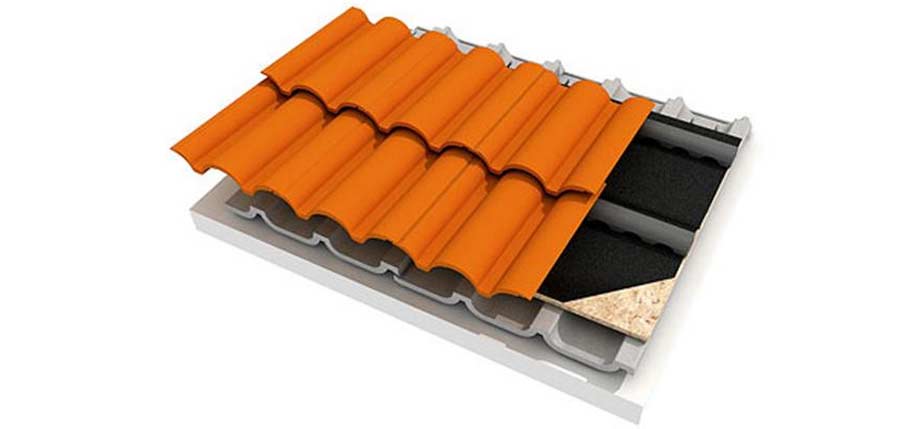
Ventilated roofs are a way to retain heat in winter and cool rooms in summer. It is about energy efficiency in your roof.
Read more