Sustainability in architecture, present and future challenges
Energy efficiency is the future and also the present of construction, especially in light of the challenges posed by the implementation of the Nearly Zero Energy Building, which will become mandatory from 2020 for all buildings. What does architecture have to say about all this? Practically everything, as the sector has had to start working to adapt to new technological challenges. And thanks to sustainable architecture, we have a model to look at the future of construction.
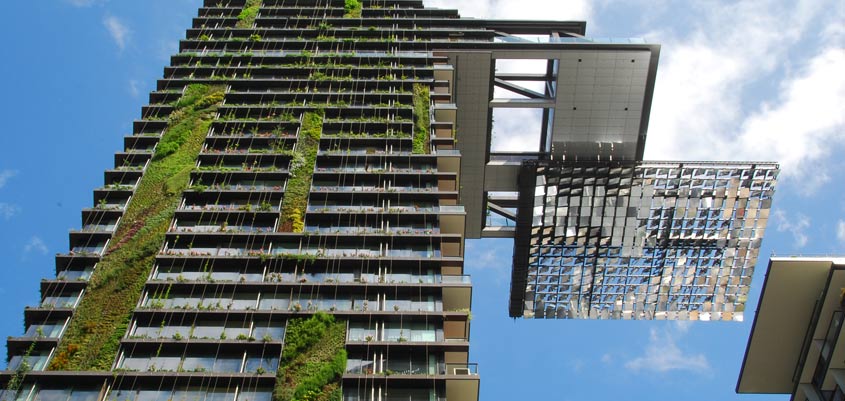
What is sustainable architecture? We can define it as that type of architecture whose main objective is to minimize the negative impact of buildings on the environment, thanks to the use of energy efficiency and materials, consumption, and space that are respectful of the environment. In addition, it is a type of architecture that firmly believes in the conservation of ecological heritage when designing buildings.
The idea of sustainability and even ecological design, experts in this trend say, is to ensure that the decisions we make today serve to guarantee a better tomorrow.
Looking towards the future of energy efficiency, sustainable architecture goes far beyond the requirements of the Nearly Zero Energy Building, which seeks to minimize consumption, as this type of architecture promotes:
- On one hand, cutting energy consumption by making better use of resources and considering the orientation of buildings, ventilation systems and air renewal, and other construction techniques that allow for very low energy consumption.
- On the other hand, it only bets on eco-friendly materials that come from sustainable sources. It also takes into account that the equipment and materials used have been extracted from areas close to the construction site.
In this sense, sustainable architecture has even greater challenges than energy efficiency. Especially because it is not only about finding a formula that eliminates emissions produced by energy consumption, but it seeks to minimize ecological impact. And this results in higher costs that are sometimes more difficult to justify. Normally, the greater investment in energy efficiency can be translated into savings for those who inhabit the buildings, thus eventually recuperating it. In contrast, betting on eco-friendly materials and processes benefits the world and the environment, but not the investor's wallet.
The positive part is that many of the materials sought in sustainable construction that need to be eco-friendly do not have to be more expensive; sometimes they are even cheaper and have lower acquisition and transportation costs. This is where sustainable architecture must find the perfect equation to explore these options and achieve a project that is attractive in cost and one hundred percent sustainable.
Ecology and energy efficiency in sustainable architecture
We have said that sustainable architecture needs eco-friendly materials. These can be recycled materials, low volatile organic compounds, or sustainable materials. However, what are the processes to enhance energy efficiency in these ecological architecture buildings?- First of all, it is necessary to install renewable energy generators in buildings. For this, solar panels, wind turbines, heat pumps, and solar heated sanitary water are mostly chosen.
- Moreover, it is more than important to have a mechanical ventilation system capable of renewing air and providing heat in winter and cooling in summer efficiently and with almost no consumption.
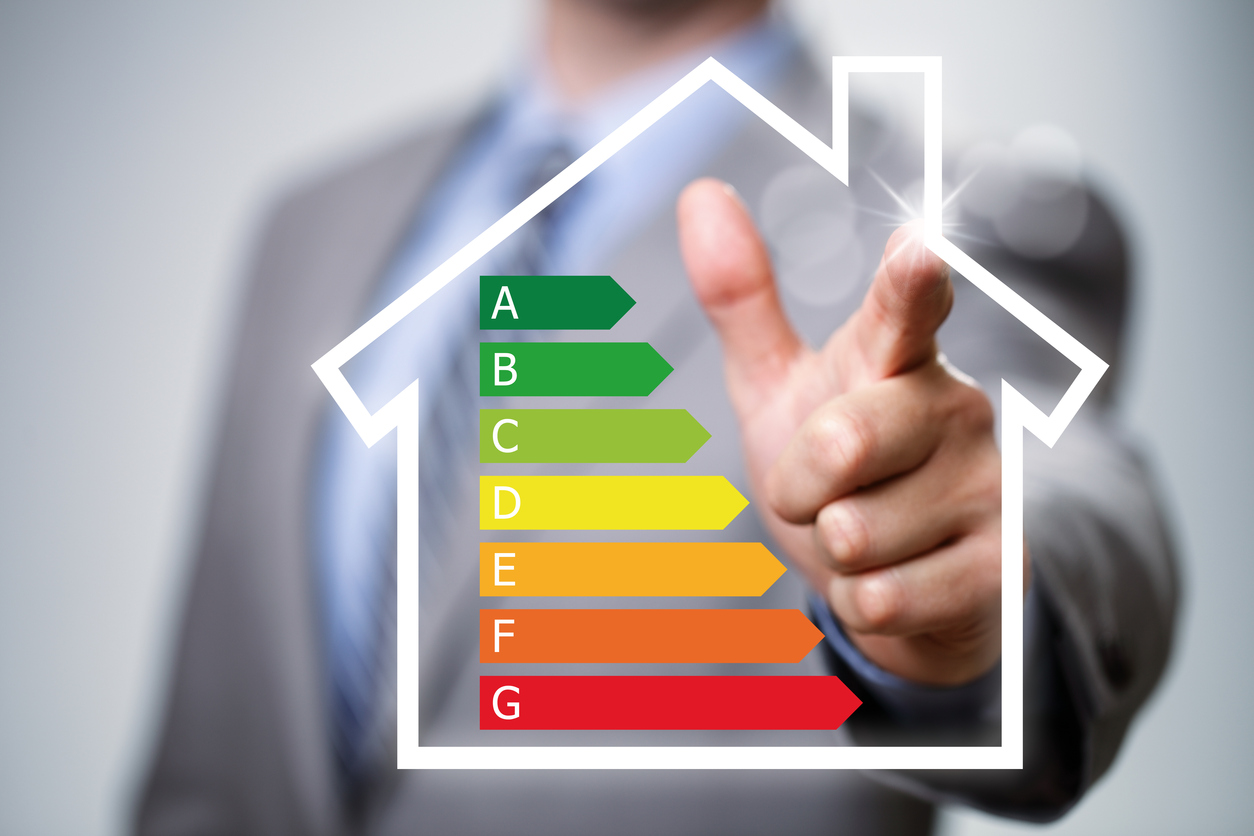
The dual flow mechanical ventilation system is also key because it allows for the installation of a heat exchanger that will heat street air in winter, enabling energy-efficient and fully ecological air conditioning. That is why in energy mortgages, to achieve the highest rating that discounts financing costs, the installation of a dual flow system is mandatory.

Siber Ventilation
Related posts