Air quality sensors, how can they help us?
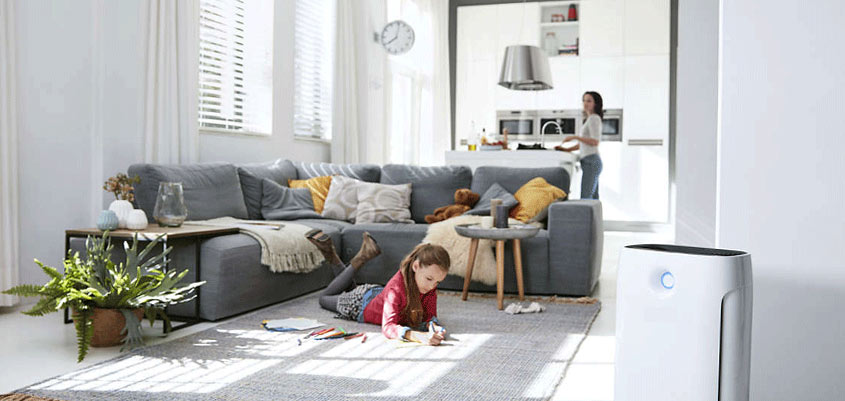
How much time do we spend indoors? Much more than we normally imagine. Office work, family life, and increasingly comfortable homes with more entertainment resources mean we spend a lot of time behind walls. It is estimated that many people spend up to 20 hours a day indoors, especially in winter. Therefore, it is necessary to know if we are breathing something healthy or not. And to help us determine this, there are air quality sensors.
At home and in other enclosed spaces, the risks carried by the air are often pollutants and allergens, which is why controlling what we breathe has become a priority. And in the comfort of the home, we need not only better climate-controlled areas but also safer and healthier ones. Poor air quality can lead to diseases, but it can also translate into lower productivity for companies and discomfort at home.
In the professional sector, it is very common to find air control as well as temperature and ventilation control. But in private homes, this is not as common. Partly because there is still a false belief among many people that, indoors, we are protected against external pollution and that is not the case.
Currently, there are mechanical ventilation systems that have revolutionized air renewal indoors. Therefore, the need for sensors and other control devices is important, and in this area, we have air quality sensors, which can also be connected to other mechanisms of smart ventilation. Sensors allow us to measure and assess the air quality in the location where they are installed.
Air quality sensors can automatically start other ventilation systems. For example, if the air contains allergens or other harmful elements, it automatically activates the extraction system, in addition to regulating the operation of the equipment when the air reaches optimal quality levels.
Because many of the street pollutants are the ones that end up invading our indoor spaces. The indoor air quality is also influenced by the gases released by cleaning products, combustion appliances, or even dust. Humidity can also negatively affect interiors.
Energy efficiency with air quality sensors
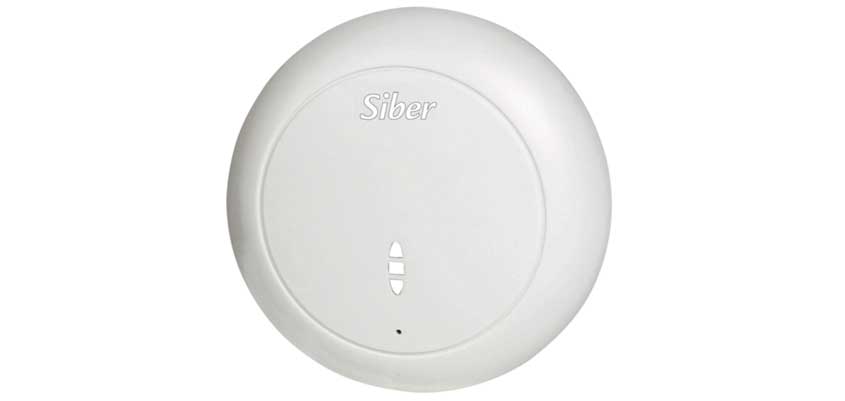
There are air quality sensors for rooms and also for ducts, and many are designed to measure the amount of CO2 in the air. As we mentioned earlier, this mechanism makes it possible for us to monitor the health of the air we breathe, but it can also connect to other devices. Therefore, it is energy-efficient as it can regulate ventilation systems according to each requirement.
Some of the benefits provided by sensors include:
- Cost savings in energy and greater energy efficiency. For example, if the mechanical ventilation system does not need to refresh the air because it is already within normal values, the sensor can send an order to minimize its use.
- The comfort at home and also in work environments improves significantly. People can work better or feel better when breathing clean air. Similarly, the healthiness of the environment improves and people feel better.
- Fans and also the entire ventilation system linked to a sensor experience less wear and tear. Since ventilation can be adjusted according to the air's needs, the use is efficient and intelligent. Thus, savings are not only in the utility bill but also in the lifespan of the equipment.
In an installation with motion detectors, air quality sensors, mechanical ventilation systems, and even automation mechanisms, controlling the healthiness of the home becomes much easier.
It is worth noting that in commercial ventilation and in public spaces, the needs are different from those at home. As specified in the RITE (Regulation of Thermal Installations in Buildings), there are the following regulatory levels for air quality:
- IDA 1:optimal air quality. It provides regulation for hospitals, medical centers, laboratories, and also nurseries, among others.
- IDA 2:good air quality. Regulates needs in public and work spaces such as offices and libraries.
- IDA 3:medium air quality. The rest of the public places like gyms, commercial spaces, and other venues.
- IDA 4:low air quality. This level does not meet the previous regulations and should not be applied.

Siber Ventilation
Related posts

Constant flow ventilation systems, how do they work?