Currently, ecological restoration has gained significant strength, a scientific study that seeks the practice of ecosystem renewal. It is based on sustainability and on reforming degraded, damaged, or destroyed ecosystems due to human intervention. And, in the case of buildings, the closest concept is ecological rehabilitation, a way to make old buildings environmentally friendly.
Much more than the commitment to energy efficiency, ecological rehabilitation follows all the standards of the impending Nearly Zero Energy Buildings and sustainable houses, but prioritizes ecological restoration and ensuring that the entire construction and usage process of each building is beneficial to the environment.
Studies exist that claim that about 60% of the cost of a building can be saved if it is remodeled instead of being demolished and rebuilt. Ecological rehabilitation goes much further and asserts that by using natural resources and environmentally friendly methods, the energy savings can be much greater.
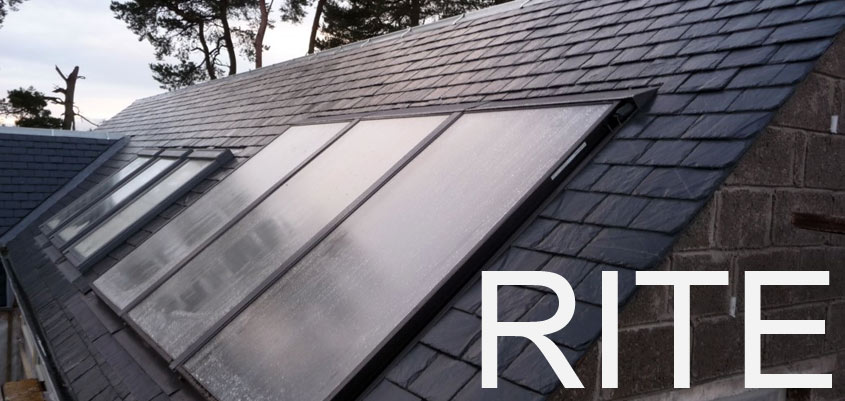
The main characteristics of ecological rehabilitation tend to be the following:The energy costs of ecologically rehabilitated buildings must be null or minimal. Mechanical ventilation systems and other construction means such as thermal insulation are required to ensure full energy efficiency. This type of sustainable building renovation does not include traditional climate control.Homes and buildings must be created for long-term use. At minimum, the useful life of the rehabilitated building must exceed that which it had before.The use of ecological technologies is common in ecological rehabilitation, such as solar panels or rainwater harvesting systems.All materials used in the rehabilitation of the building must be sourced from nearby areas to avoid pollution during the reform process. Similarly, they must be sustainable and non-polluting materials.Likewise, the quality of life in the ecologically rehabilitated home must be better than it was previously. Every sustainable construction aims for this, through technologies that assist the environment and promote a greater connection with it.rnIf you have a home and are considering renovating it or rebuilding it, you can take the ideas of ecological rehabilitation into account, as it allows us to potentially improve our quality of life and also helps the environment. Moreover, thanks to the high energy efficiency of ecological homes, the investment will undoubtedly be recovered by paying much less in home energy costs.
Tips for starting an ecological rehabilitation
To schedule the energy recovery of a home and do so ecologically, we can consider various approaches. Before creating a green architecture plan, a series of recommendations can be kept in mind to kickstart the reform of a home based on ecological rehabilitation:The latest and brightest is not always the best. The noblest materials can be the most suitable for creating a sustainable environment and are the main contributors to environmental care. For example, wood on walls, ceilings, and floors is a great option. Moreover, they are excellent insulators.Transform your home by seeking ecological rehabilitation instead of demolishing it. It’s not only about salvaging walls and windows but also other materials. A key aspect of ecological renovation is reuse. An old wheel can be turned into a chair, for instance.If you want your renovation project to be even more sustainable, you can donate items you plan to discard. You can even accept materials that others are considering getting rid of. Whatever you wish to buy, consider getting it second-hand.When choosing appliances, always look for those with an energy certification. Refrigerators and washing machines can either be big energy consumers or partners in energy savings.Look for reuse rather than buy new. For instance, doors or windows can look fantastic with a facelift. And by covering them with sufficiently insulating materials, we can enhance their energy efficiency.Above all, aim to insulate your home. It is essential that, ecologically, there are no points of leakage in the house where heat can escape in winter. This aspect is one of the most important to consider.Utilize solar energy. Thanks to it, you can heat without air conditioning and can help reduce reliance on light bulbs.Use a mechanical double-flow ventilation system if you want to achieve the highest quality of air and also energy efficiency. You can avoid using traditional climate control systems.rnIn addition to all this, to fulfill the ecological rehabilitation, you can visit second-hand centers and get used to reusing whenever possible. Besides being efficient, it can also be stylish. Many fashion brands - like Zara - reuse their belongings to design ecological commercial spaces that, in addition to being sustainable, showcase great design.