NZEB Buildings. Use of Renewable Energies
superadmin
March 24, 2017
The NZEB building or Nearly Zero Energy Building is a term applied to buildings with a net energy consumption close to zero in a typical year. Therefore, the energy it consumes comes from the building itself through renewable energy sources and should be equal to the energy it demands. Renewable energies are those that come from sources that are inexhaustible and that, after being used, regenerate naturally or artificially. There are different types of renewable energies, including wind, geothermal, wave, solar, ocean wave, biomass, and biofuels.
The NZEB building: the production of renewable energies
The main advantage of all these is the practically zero waste produced during their generation and therefore the absence of CO2 particles emitted into the atmosphere. The characteristics worth highlighting about renewable energies are:
- They are energy sources that are respectful of the environment, which makes them also the safest since they pose no risk to health.
- They are easy to dismantle and it is not necessary to guard their waste as is the case with nuclear energy.
- They develop the economy and the industry in the region where they are installed, making it more autonomous.
- They come from inexhaustible sources, so they can be generated in any region of the world.
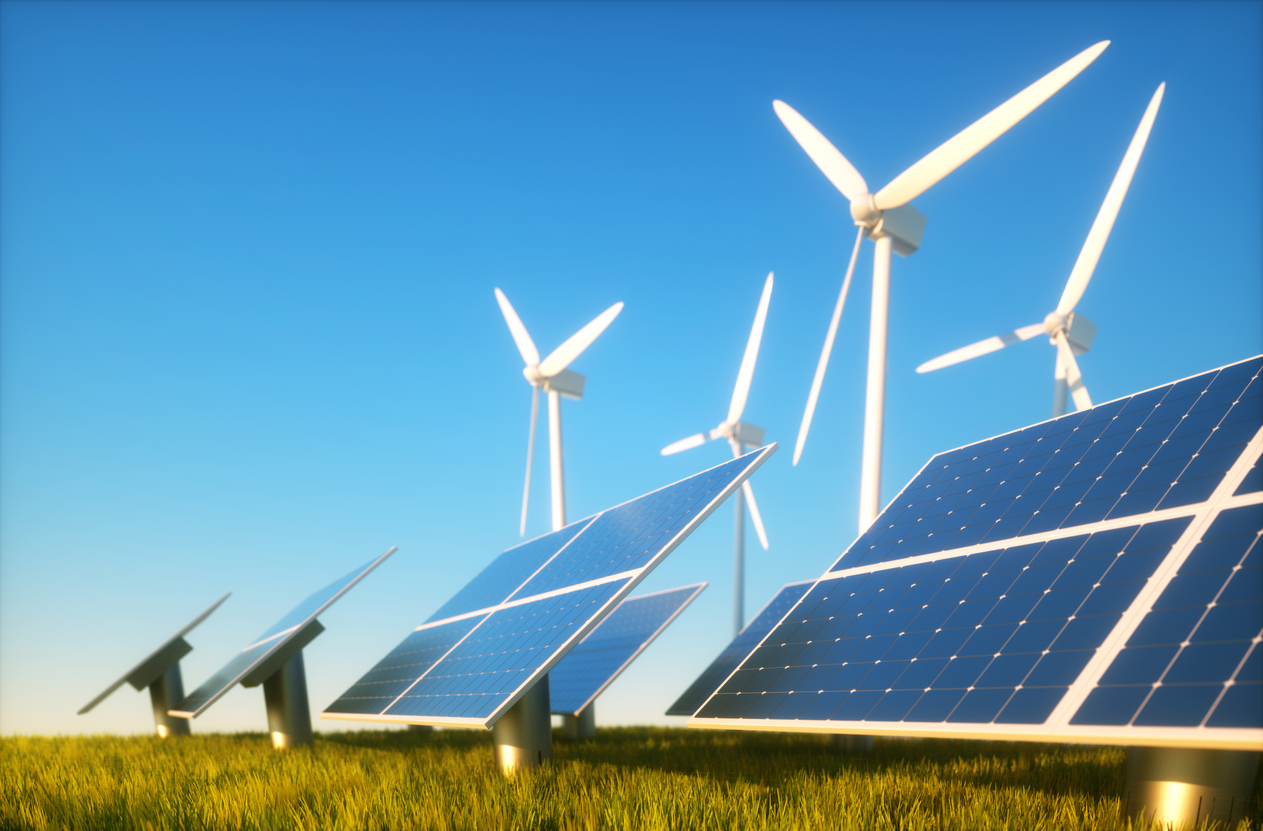
However, they also have some disadvantages, such as the fact that the initial investment needed is very high, making it initially seem not a profitable option. The production of many renewable energies is intermittent as it depends on weather conditions, and it requires a lot of space for its installation. Wind and solar energy are the most known and important in our country.
Solar Energy: Advantages and Disadvantages
The advantages of solar energy are as follows:- Solar energy is a completely clean energy and does not require any chemical substance to convert it into heat or electricity. It does not emit any polluting substance into the atmosphere.
- It is the cheapest both in the medium and long term. It is clearly oriented towards self-sufficiency.
- It is used to generate heat or electricity in homes, buildings, and public spaces, as is the case with street lighting.
- It is silent and does not require costly maintenance.
Among its disadvantages, it should be noted that a very large surface area is required to install the solar panels used to produce energy. They must be positioned with a certain orientation to capture maximum sunlight.
Wind Energy: Advantages and Disadvantages
The advantages of wind energy are:- It is a clean energy just like solar energy.
- It has the installation of wind turbines, which are becoming increasingly efficient, capable of producing more energy using fewer resources.
- Although in most countries it is used to generate electricity at an industrial level, it can also be used at a small scale, providing energy to small population groups.
The location of wind turbines is the main drawback of wind energy, as they must be placed where strong winds occur, with no natural barriers around. They cause a significant impact on the landscape causing fatalities among birds that have to change their migratory routes.

Siber Ventilation