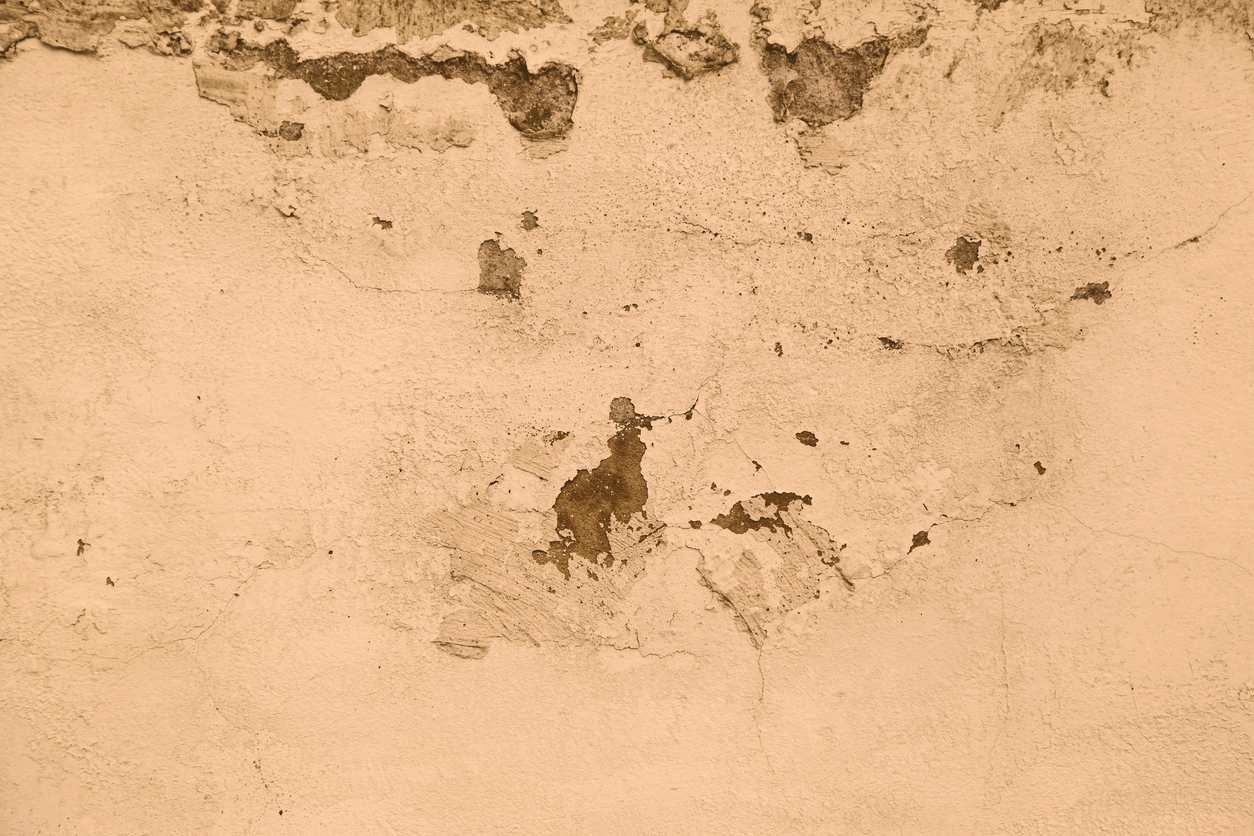
Negative consequences of insufficient humidity control
The humidity control in our homes is a matter of health, safety, and energy savings. In this article, we summarize the negative consequences that excess humidity in buildings can have in these three areas.
Negative consequences of excess humidity on people
A high relative humidity level in the interior spaces of our buildings is one of the causes of health disorders that the occupants may suffer, as damp surfaces provide the ideal medium for the proliferation of microorganisms (mites and mold). In the case of people without diagnosed respiratory disorders, the recommended relative humidity threshold is 65%. For people with chronic respiratory problems (asthma), allergies, or rheumatism, this threshold is below 60%, as we talk about particularly vulnerable individuals. If we also do not have sufficient ventilation to ensure proper renewal of indoor air, health problems can worsen.Excess humidity can lead to different health disorders:
- Respiratory infections due to viral or bacterial infections.
- Asthmatic processes due to the proliferation of molds, fungi, and mites.
- Allergic disorders due to poor indoor air quality.
- Worsening of bone diseases (rheumatism or osteoarthritis) due to the high humidity level affecting bones, especially in the most vulnerable individuals, such as the elderly.
- General malaise (fatigue, tiredness, headaches…), as a consequence of an unhealthy environment (bad odors and difficulty breathing due to excess humidity and poor ventilation).
Negative consequences of excess humidity on buildings
As we pointed out earlier, excess humidity is also harmful to the materials and structure of our buildings:- Promotes the corrosion of metal elements.
- Harms plaster elements.
- Degrades furniture and upholstery.
- Encourages the appearance of saline crystals on stone elements and mortars (efflorescence).
- Encourages the appearance of fungi and mites on surfaces.
- Increases the risk of proliferation and dissemination of microbiological agents within ventilation ducts.
- Causes structural pathologies, putting occupants' safety at risk. It should be noted that a structural wall with excessive humidity loses around 50% of the structural load for which it was duly calculated and executed, as it decreases the cohesion of the materials that make it up. Furthermore, water, if frozen, increases in volume and cracks the construction elements, reducing the stability of the whole. In the worst-case scenario, this can lead to structural collapse.
Negative consequences of excess humidity on energy efficiency
A high humidity level inevitably leads to a loss of heat in inhabited spaces. Humidity is merely an excess of water vapor or water. This water that accumulates on materials and surfaces decreases their thermal characteristics. This implies greater consumption of heating systems and, consequently, an increase in our household bills.Importance of ventilation in humidity control
The best way to avoid problems arising from excess humidity is to implement a controlled mechanical ventilation system with double flow that ensures efficient and sufficient air renewal. Moreover, thanks to the airtightness of this system, an absolute control of humidity levels in the environment is established, regardless of the hygrometric conditions of the outside air.

Siber Ventilation
Manufacturer of High Energy Efficiency Ventilation Systems. Siber provides a set of high energy efficiency solutions in wind and mechanically intelligent ventilation, improving the Health, Hygiene, and Comfort of people, being respectful of the environment.