Improve thermal comfort with the arrival of summer
With the arrival of good temperatures, there comes a time of the year when indoor comfort in relation to the weather occurs almost naturally. We refer to those spring months in which, without doing anything, the weather is very pleasant both outdoors and indoors. However, thermal comfort soon decreases when temperatures rise and summer arrives. How can we prepare for a better sense of well-being indoors during the warmest months?
First of all, we must understand what thermal comfort means. This phenomenon measures our well-being and comfort in relation to a specific temperature. It is a very simple concept, although it has different nuances. Specifically, thermal comfort is a neutral sensation for any person in relation to a specific thermal environment. This is officially explained in the ISO 7730 standard, which defines thermal comfort as "a mental condition in which satisfaction with the thermal environment is expressed."
In any case, since it is a personal sensation, it is a very relative concept, as the same thermal conditions can be favorable for one person and unpleasant for another. However, we can take into account the following general aspects to define thermal comfort:
- Air temperature. This is the main value, as the sensation of heat or cold mainly depends on the temperature.
- Air velocity. The higher the velocity, the greater the sensation of cooling. Therefore, fans can help improve thermal sensation without reducing the temperature.
- Relative humidity is almost as important as temperature because high humidity causes us to sweat more and creates a poor comfort sensation, making the same temperature feel much higher.
- The physical activity being performed is key. It is not the same to be cleaning at home as it is to be resting on the sofa. It is even clearer outdoors, which is why some people try to walk more slowly.
- The clothing we wear. It is important to consider that how we face the entry of heat will depend on our clothing. Different types of fibers in fabrics or a particular type of clothing will make us feel more or less comfortable.
- Personal metabolism. Finally, some people feel hotter or cooler, and all this depends exclusively on their metabolism.
How to achieve appropriate thermal comfort indoors?
Although thermal comfort has a lot of individual aspects, we must not overlook that there are general benchmarks to determine which homes are adapted for greater climatic comfort. In general lines, we could estimate that specific climatic conditions could represent a good level of climatic comfort:- An ambient air temperature between 18ºC and 26ºC.
- An average radiant temperature on surfaces between 18ºC and 26ºC.
- An air velocity between 0 and 2 m/s.
- A relative humidity between 40% and 65%.
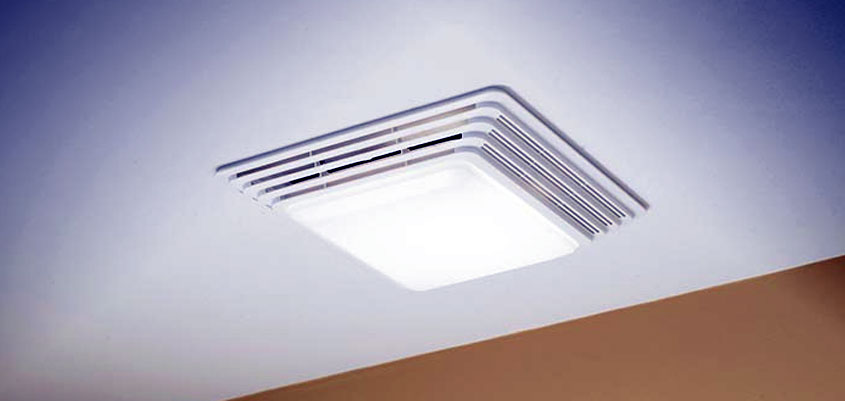
Through a mechanical ventilation system, we can eliminate stale air and humidity, then introduce clean and filtered air, which can be cooled through the bypass of a heat recovery unit. Similarly, thermal insulation of a building can also help protect it from heat and gradually increase thermal comfort without the need for air conditioning units or other traditional climate control systems.

Siber Ventilation
Related posts