How is the ventilation system in your home similar to you?
Physical exercise and metabolism: similarities with the operation of a ventilation system
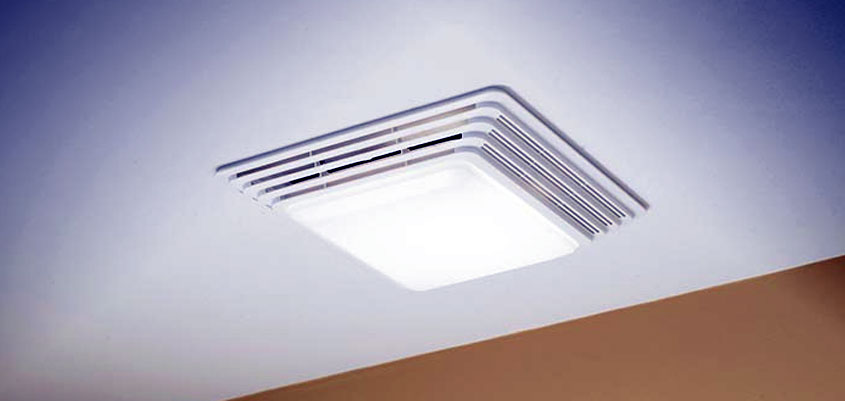
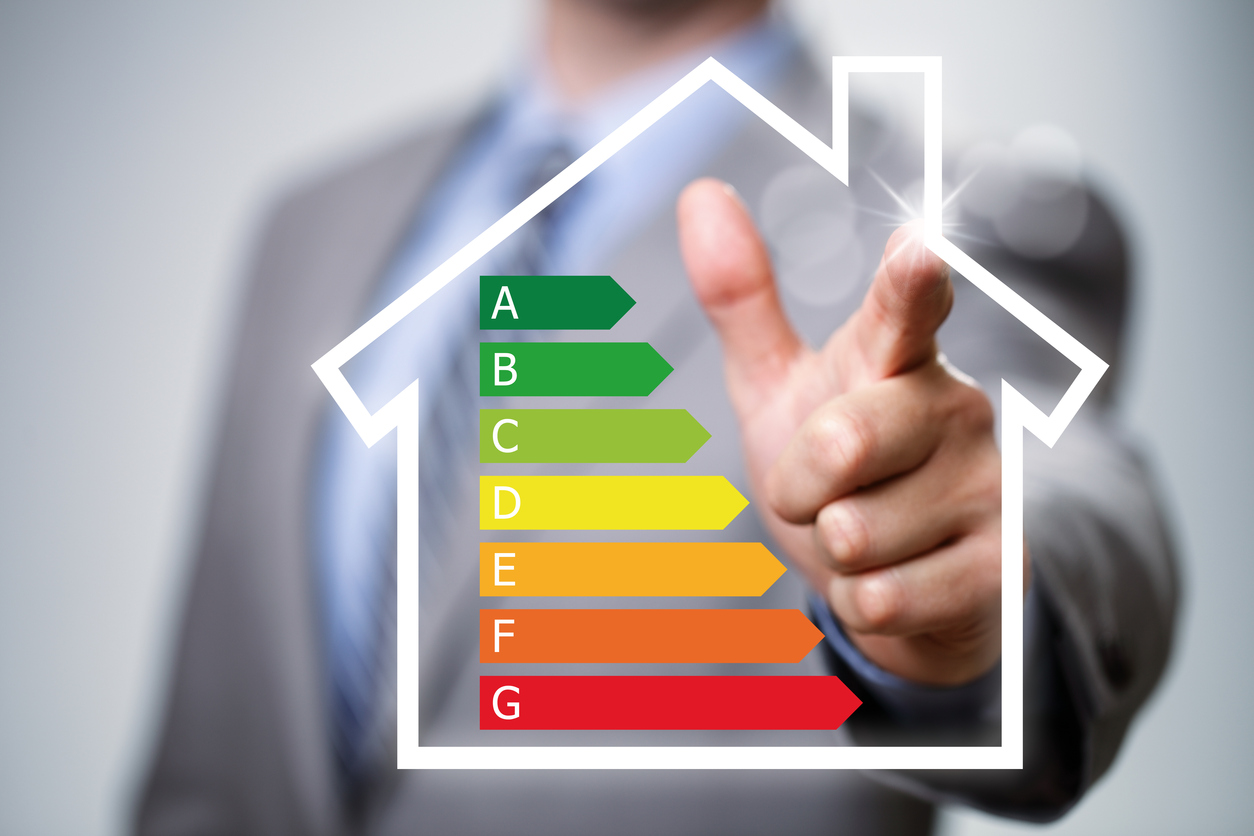
The physical performance of a person has many similarities with the energy consumption of any type of electromechanical equipment, such as those that make up a ventilation system. When a person performs physical exercise, they need to consume energy in the form of oxygen. Our metabolism allows us to change the nature of certain chemical substances, so that the oxygen we breathe is converted into energy that allows us to walk, run, work, etc. Similarly, to refresh the contaminated air inside a home, it is necessary to transform electrical energy into mechanical energy, capable of putting the air in motion through the fans. Many parameters we use to measure physical exercise are used similarly when evaluating the energy consumption of a ventilation system.Other parameters: power, voltage, and aging
Another parameter that shows similarity between the behavior of our body and that of a ventilation system is power. Physical power is defined as the amount of work done in a unit of time. In the case of the power of our musculature, it would refer to the ability or skill to exert a force in the shortest possible time. Similarly, fans within a ventilation system behave similarly, whether to extract an air flow or to provoke its admission into the premises. In this case, their power is defined as the amount of energy the device takes from the electrical network, to transform it into a useful mechanical power, which is used to put the air in motion.Depending on the type of ventilation system installed, it may be necessary to evacuate the air through ducts of a certain length or section. Due to friction, changes in section, and obstacles, these ducts cause a loss of pressure in the fan. The pressure of a fan is precisely the force it exerts to overcome this loss of pressure. Similarly, the muscles of the human body are capable of exerting tension against a load through a muscular contraction. This simple act allows us to perform simple gestures every day, such as lifting a weight, walking, climbing stairs, etc. In these situations, we are always overcoming a resistance or load loss that can be exerted by wind, friction with the ground, or our own weight.
In the same way, our aging also has similarities with that suffered by the components of a ventilation system. Our aging is due to the wear and tear that time and contact with the surrounding environment cause in our cells. Similarly, ventilation ducts, fans, and other components suffer their own aging when in contact with the air. This contact causes a chemical reaction between the oxygen in the atmosphere and the metallic materials from which they are made (steel, aluminum, etc.), called oxidation. This causes deterioration of the particles in contact with the air, which ultimately prevents the proper functioning of the installation.

Siber Ventilation
Related posts