Home Automation and Ventilation Systems, How to Combine Them
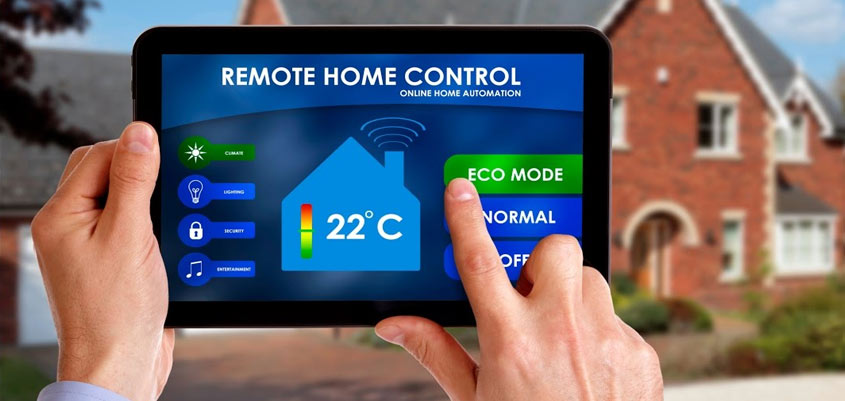
In the real estate sector, there is increasingly more talk of smart homes and the digitization of home controls. But while the most visible aspect is usually the use of devices to control lights or, more recently, to search for information on the internet or play a song on a speaker, home automation is more important for improving energy efficiency at home. This was known for a time as domotics, although the term has become somewhat outdated.
The concept of domotics began to gain popularity in our country just over a decade ago, coming from the English term domotics. The concept referred to the automation of the home, emphasizing the control of lights, air conditioning, entertainment systems, and other applications. It could also extend to security and alarm systems, and even connect to the internet.
In recent years, the term domotics has blurred even more into automatic systems, as it often referred to mechanisms for automatic blinds based on the time of day or light. However, domotics goes much further and is precisely related to energy efficiency in the home and cost savings for supplies, in addition to meaning an increase in comfort.
In its strict sense, as home automation, what does domotics mean in our lives? From watches and speakers to lights and automatic door entries, as well as windows, water heaters, or kitchen utensils. Any device that can activate actions in the home. The most well-known home automation actions are:
- Light actuators based on time or presence. For example, it is possible to adjust artificial light depending on the time of day or even on the brightness outside.
- Adjustments in home closures to ensure security and also automatic security options.
- Automatic blinds based on the time of day.
- Automatic air conditioning.
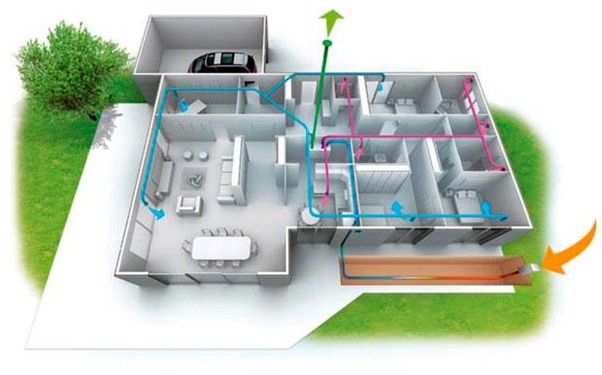
Ventilation systems can automate both well-being and comfort at home, as well as maximum health, especially if they are double flow mechanical ventilation. Whether centralized or decentralized systems -having a single central unit or differentiating between rooms-, the automatic functions of ventilation installations go beyond domotics and can renew the air based on the humidity in the environment, the number of people present at that time, or the CO2 levels in the air.
All this is thanks to probes and sensors that will measure the characteristics of the rooms to ensure the best conditions for breathing.
Home Automation in Double Flow Ventilation
Double flow mechanical ventilation systems use home automation systems to remove stale air and provide the best climatic conditions. They not only guarantee the highest air quality, but they can also improve the temperature in summer and winter, thanks to heat recovery units.The home automation and automation achieved with mechanical ventilation systems can automatically regulate the air renewal needs through the following implementations:
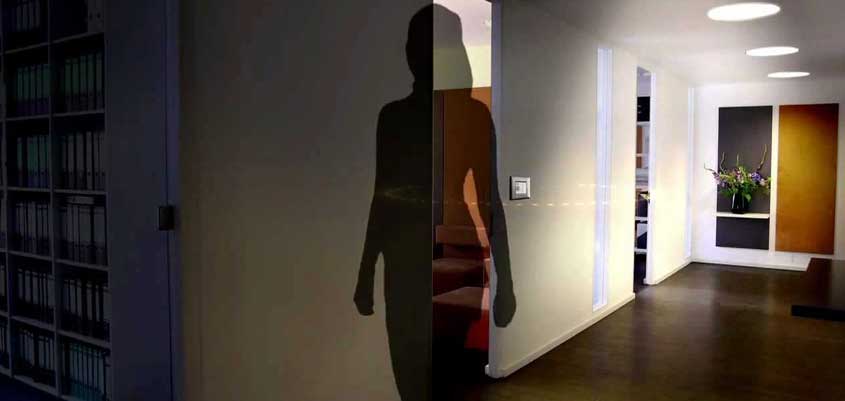
- Presence detection. Depending on the number of people in a room, the ventilation system will renew more or less air, adjusting the flow and extraction according to how occupied a room is.
- Humidity sensors. Thanks to detectors of vapor in the air, double flow ventilation systems will adapt the extraction to the amount of relative humidity in the environment.
- CO2 meters. To avoid headaches, mechanical ventilation can detect the CO2 level to eliminate an increase in carbon dioxide in the environment.
- Time control. It is possible to regulate ventilation according to the time of day or the season of the year. This control, if activated along with presence detectors, will help when we are on vacation or during times of high occupancy.
- Temperature functions. Ventilation systems can activate or increase flow when there is a rise or fall in temperature, to find optimal air conditioning.

Siber Ventilation
Related posts