




Good advice to prevent respiratory diseases from home
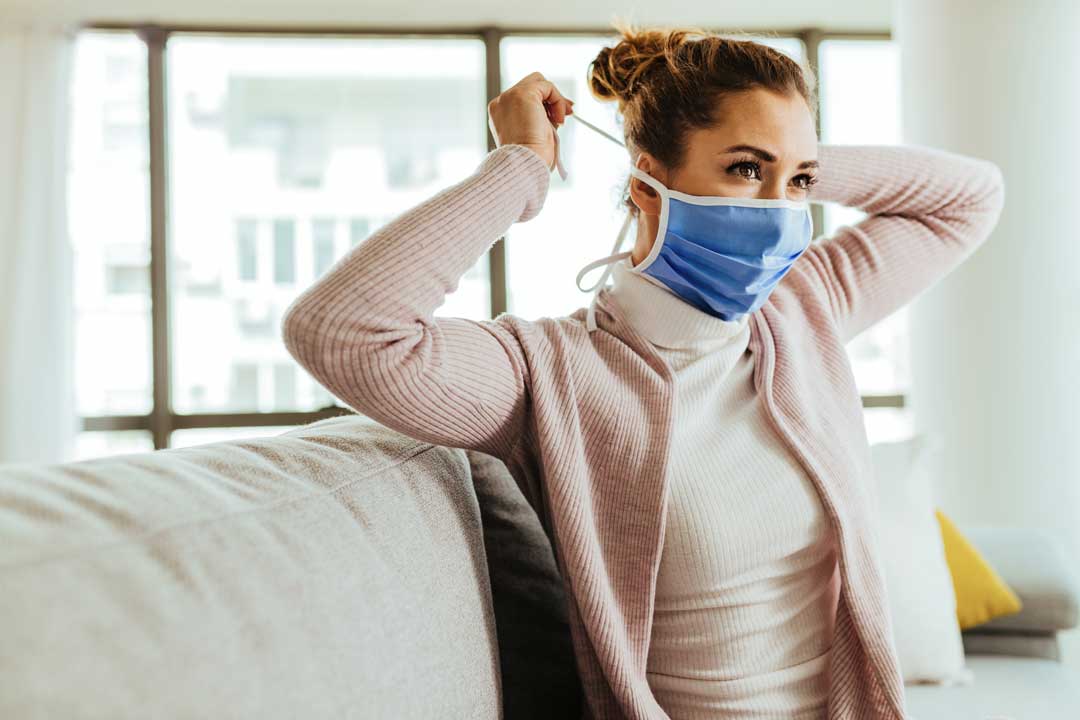
Good advice to prevent respiratory diseases from home, Respiratory diseases have experienced an increase in recent years. What are the causes? Poor air quality in cities, the pandemic, or unhealthy lifestyle habits are among the main ones. By taking care of ventilation in homes, we can prevent the appearance of numerous ailments.
The advance of healthy constructions
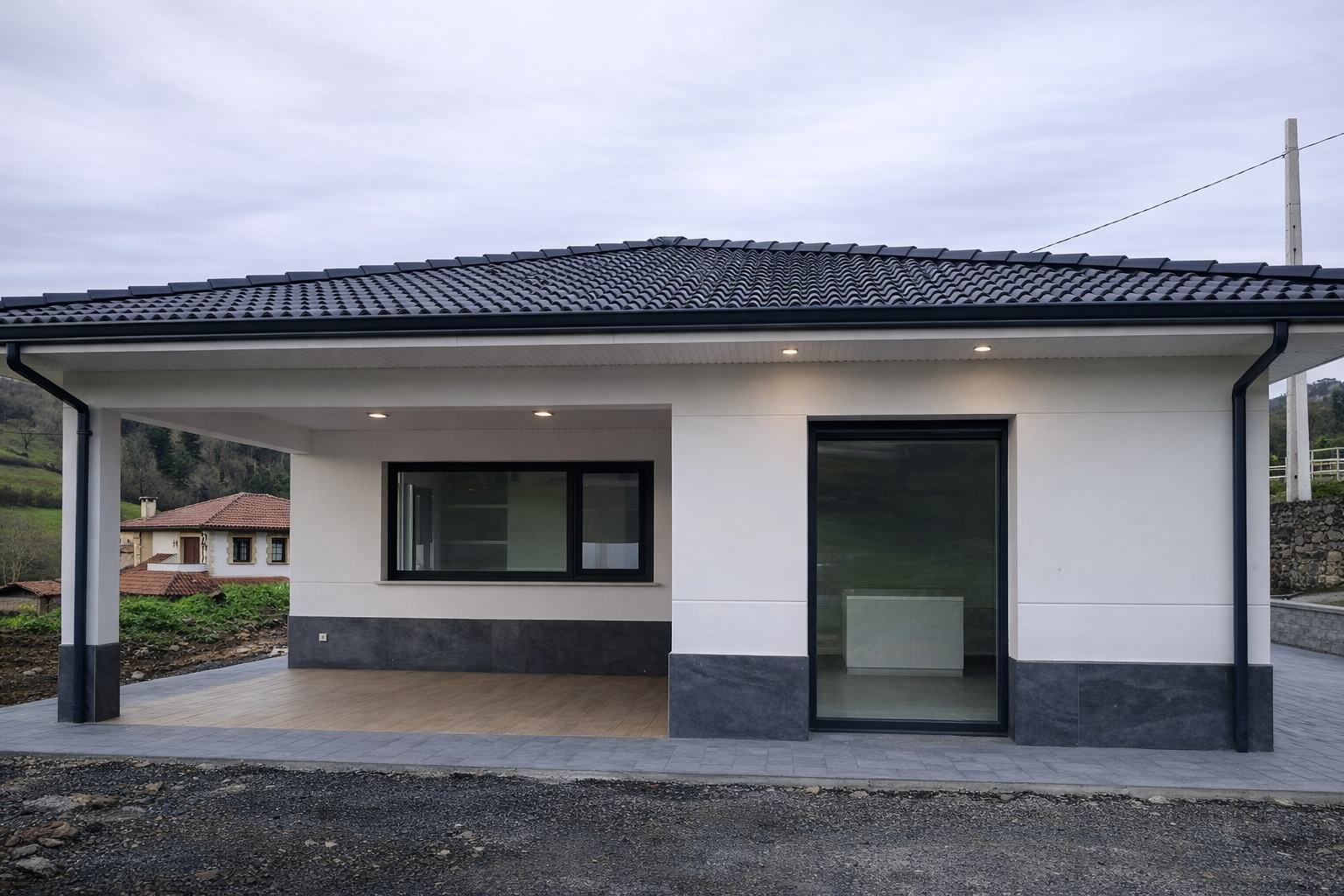
The appearance of respiratory diseases is closely linked to the air quality inside homes. There are significant risks, such as the possibility of inhaling radon gas, toxic particles, or bacteria produced by humidity. The result is contracting ailments such as legionella infections, asthma, or pneumonia.To avoid them, construction and architecture are already attending to the relationship between housing and health. With that goal, they use technological advances at their disposal, such as controlled ventilation systems, smart design, or home automation. These are three of the most prominent:
Controlled ventilation systems
Thanks to them, we reduce energy consumption and improve air quality. They are, for example, heat recovery systems. The stale air from the inside that is expelled through ventilation ducts is utilized by taking advantage of its temperature. Thus, depending on the needs, the incoming air is heated or cooled. This prevents unnecessary energy expenditure and is distributed to achieve a homogeneous temperature in the house.These solutions combine energy efficiency and comfort. In addition, humidity levels improve, providing the necessary amount in dry spaces or eliminating excess.
Application of Passivhaus criteria
The Passivhaus buildings incorporate energy generation mechanisms based on renewable sources. They are characterized by an approach to sustainability, thermal insulation, airtightness, and high construction performance. This results in high levels of savings and better air quality. So much so that energy efficiency increases by levels around 95% compared to conventional homes.Sensors to regulate ventilation flows
Among the most recent technological advances applied to indoor ventilation are sensors. They regulate ventilation flows, to homogenize temperature and avoid drafts. Additionally, they collect environmental data so they continuously improve the variables that are applied at each moment.These and other advances will become clearer in the coming years when the proliferation of healthy constructions becomes evident.
Tips to prevent respiratory diseases from home
Here are some respiratory health tips to reduce the risks of contracting illnesses related to poor air quality.Choosing houses built with effective preventive resources
It is a primary aspect. Choosing homes with good ventilation, heating, and cooling systems can prevent many health problems. Sometimes, this is not evident, as respiratory problems develop over years without showing symptoms. However, when they manifest clearly, it is often too late to address them.Test to detect radon levels
Radon is a chemical element in the form of radioactive gas. It is very harmful when it is found inside homes. Therefore, when moving to a new house or renovating an old one, it is important to always conduct a radon level test. The dangers are especially high in poorly ventilated properties or those whose occupants are smokers.Good hygiene and ventilation practices
Along with the above, ensuring health requires good practices and habits of hygiene and ventilation. These include opening windows when the outside temperature allows, regularly cleaning the house, and using quality products for both cleaning and ventilation.By following these practices, we can avoid most respiratory diseases. If you found this article interesting, we recommend this related one: What is a heat recovery ventilator and its differences.

Siber Ventilation
Related posts

Constant flow ventilation systems, how do they work?

Discover which ventilation network best suits your project
Discover which ventilation network best suits your project Ventilation projects increasingly combine sustainability, comfort, health, and energy efficiency considerations. There is a clear objective to optimize resources. The aim is to advance along the lines of the Sustainable Development Goals (SDG 2030) and the philosophy passivhaus. Ventilation companies present projects compatible with energy efficiency and reduction of electricity consumption. This is contributed to by the overall context of crisis, with the resulting uncertainty arising from the invasion of Ukraine. Thus, for example, the government's energy security plan of Spain is a response to that reality.