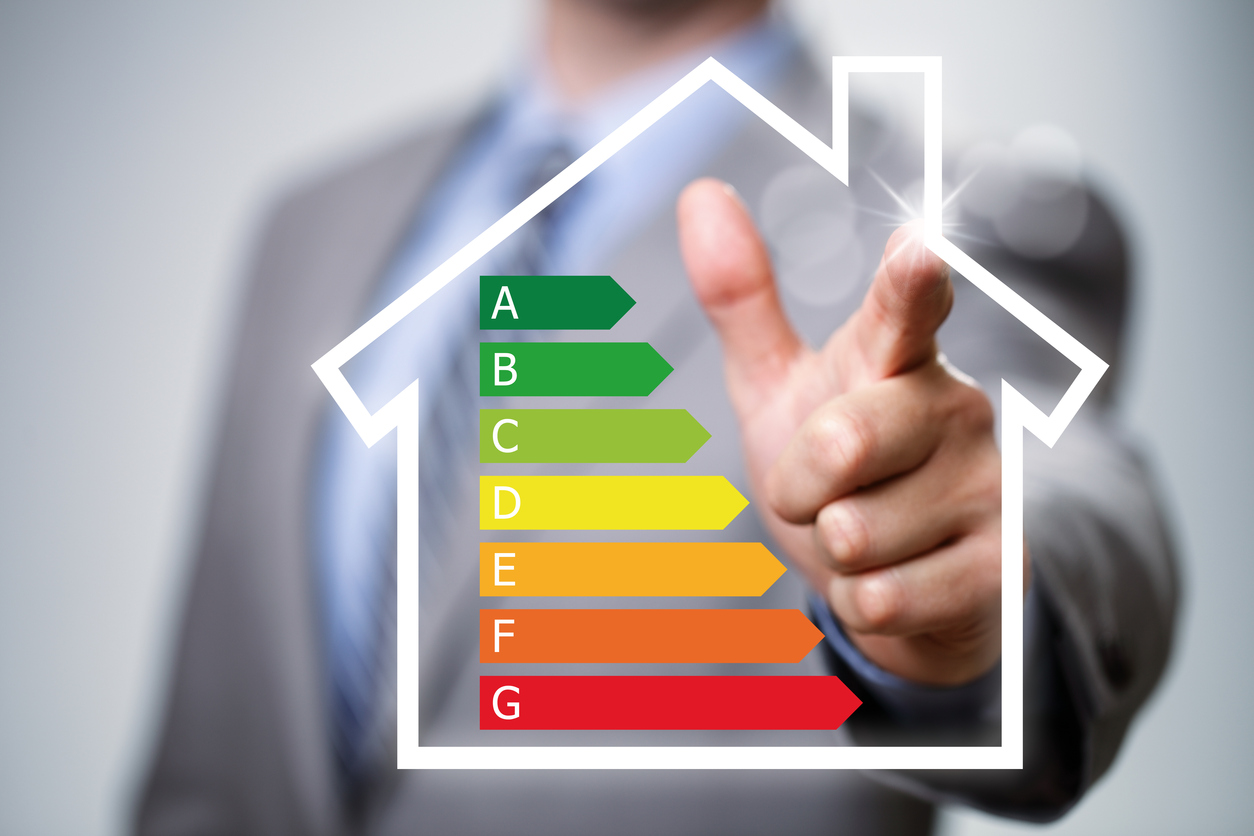
Energy certificate, everything you need to consider
superadmin
April 5, 2018
One of the essential documents in a property is the energy certificate. It is one of the official and mandatory licenses to qualify the energy use that a building makes. And above all, the way in which properties seek to bet on energy efficiency, in each specific case, and always in relation to the consumption they may need and save. It is about knowing where a building stands among its minimal use needs, in optimal conditions, and what it actually spends. The same document must also inform about the CO2 emissions of the building in question.
This energy certificate has been mandatory in Spain since 2013, and is approved by Royal Decree 235/2013, although its origin comes from the European Union. It is a directive that all member states have already complied with.
Who is obliged to obtain the energy certificate? The owners of the properties in their entirety, who must obtain it in order to rent or sell their property. Furthermore, those who sign a sales or rental contract without having that document will incur fines of up to 600 euros. As a buyer, the obligation is to request that the energy certificate be included in the documentation of the property.
In order to obtain this mandatory document, it is necessary to hire a certification technician who carries out the appropriate tests to achieve its acquisition. And together with the energy certificate, the energy label is automatically obtained, which summarizes the information contained in the document.
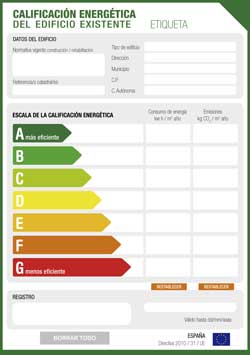 On this label, similar to those placed on appliances, the emissions and consumption ratings of the building previously obtained in the certificate are indicated. A color scale is used, with a rating ranging from A to G, from highest to lowest efficiency.
What is the energy certificate and the label for if we want to sell or rent a property? More than anything because it is a mandatory document that offers data to take into account and to offer in the advertisements for sale that we make. Property owners must also submit it to real estate agencies, as well as include it in advertisements for trading online or on other portals. Those with a good rating can undoubtedly benefit from the good image derived from obtaining a good score, which certifies that they have an energy-efficient building.
This energy label will originate from a basic document prepared by official technicians, known as the energy efficiency certificate model. Although the document to be filled out is available on the Ministry of Industry's page, specialists must take into account regional legislation to complete it.
What is reviewed in the energy certificate?
As we have mentioned, there are specific regulations for each autonomous community that specialized technicians must consider when filling out the information for obtaining the energy certificate. However, most characteristics to be certified are common and must include, in addition, the following specific points and annexes:- Measurements, tests, and verifications that have been carried out to obtain the property data.
- Buildings that have already been constructed must include an analysis of the recommended energy efficiency measures to improve their conditions, always within the feasibility of the buildings.
- Estimates of the payback periods of investments in energy savings, or the profitability they offer during their useful life must also be included, whenever possible.
- For previously constructed buildings that are sold used, it is necessary to provide information to the new owner or tenant about the costs they would incur if they were to carry out the modifications needed for the property to obtain a better rating on the energy label. The savings resulting from implementing such measures should also be shown.
To improve the energy efficiency of our property and attain a better rating on the energy certificate, there are many paths we can take. Some recommendations are as follows:
- Utilize ecological, low-consumption lighting systems, and as much as possible adapted to the actual lighting needs of the building. Utilizing natural light is very important for a better rating.
- Modify the tightness of the building; make it more insulating, enveloping, and ensure that doors and windows do not allow heat or cold to pass through.
- Install mechanical ventilation systems, preferably with double flow, for total air renewal and to reduce the use of air conditioning units.
- Home automation and motion sensors, along with CO2 or humidity meters, are other modifications to achieve a better rating on the energy certificate.

Siber Ventilation
Related posts