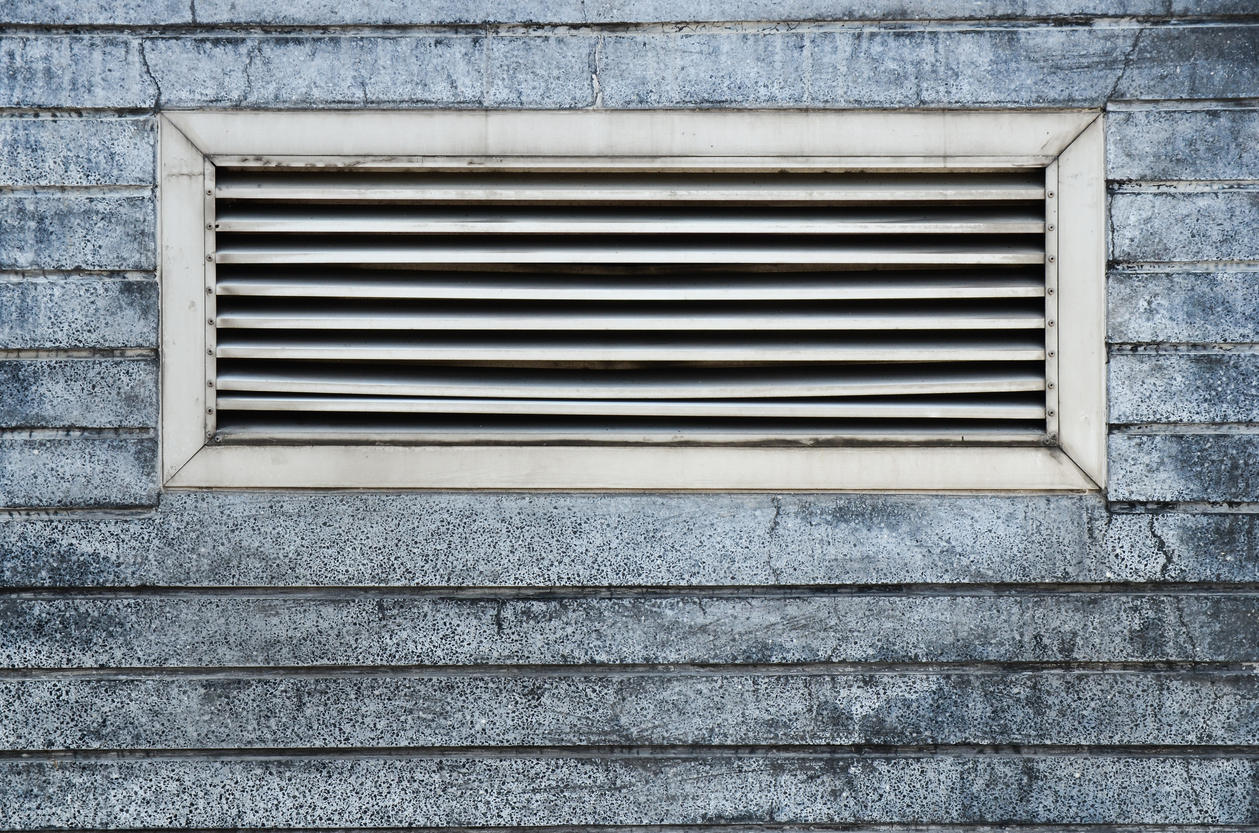
Durability of your ventilation system: stainless steel grille
What is stainless steel?
Stainless steel is a steel with a low percentage of carbon. Since it contains at least 10.5% chromium, it is a material that resists corrosion and, under normal conditions, does not show rust stains.The reason it does not show rust on its surface is as follows: chromium combines with oxygen in the air to form a thin layer of chromium oxide on the surface, preventing further corrosion of stainless steel.
How is stainless steel classified?
There are five different groups, or families: austenitic, ferritic, martensitic, and duplex (austenitic + ferritic), all based on a crystalline structure; and precipitation-hardened alloys, which are based on the type of thermal treatment used and not on the crystalline structure.Austenitic stainless steel
Austenitic steel is obtained by combining austenite-forming elements, such as nickel, manganese, and nitrogen. It is a steel with chromium content ranging from 16% to 26%. The carbon percentage varies between 0.03% and 0.08%.When the alloy is chromium and nickel, we refer to AISI 300 series stainless steel. If the alloy is made of chromium, manganese, and nickel, we talk about AISI 200 series stainless steel.
The former, AISI 300, has a high nickel percentage and up to 2% manganese. It can also contain molybdenum, copper, silicon, aluminum, titanium, and niobium. To increase its machinability, sulfur or selenium can be added to the alloy.
The latter, AISI 200, has a lower proportion of nickel. Its manganese percentage ranges from 5% to 20%. To increase its mechanical resistance, nitrogen is added to the alloy.
Ferritic stainless steel
Ferritic stainless steel is a steel that has a chromium percentage higher than 10.5%. The carbon content is around 0.08%. It is a magnetic steel with high resistance to corrosion and low thermal expansion, thermal conductivity coefficient, and density.Martensitic stainless steel
Martensitic stainless steel is essentially an alloy of chromium and carbon. The chromium percentage ranges between 10.5% and 18%. The carbon content is high (can contain up to 1.2%).Duplex stainless steel
Duplex stainless steel (combination of austenitic and ferritic steel) has a chromium proportion between 18% and 26%. The nickel content ranges from 4.5% to 6.5%. To increase corrosion resistance, nitrogen, molybdenum, copper, silicon, and tungsten can be added to the alloy.Stainless steel grille in ventilation systems
There are two types of ventilation grilles on the market: plastic grilles and metal grilles. The former are usually made of PVC and the latter of aluminum or stainless steel. The most commonly used are metal grilles, as both aluminum and stainless steel are highly resistant materials that endure well against the weather.We can classify grilles as follows, according to their characteristics and the function they develop within the ventilation system:
• Supply grilles. They usually have adjustable blades individually, so it is possible to adjust the reach and height of the airflow directed into the room.
• Floor grilles. Whether used for air extraction or supply, they are installed in such a way that allows the transit of people and heavy equipment.
• Traffic grilles. They are used to facilitate air circulation through doors and partitions. They can have blades shaped like “V”, allowing the passage of air but preventing the passage of light.
• Exterior air intake grilles. They must resist weather conditions and are used to draw in outside air. The blades are designed to prevent rainwater entry.
• Linear grilles. They usually serve a decorative function in spaces where they are highly visible and can be installed on walls, floors, and ceilings.


Siber Ventilation