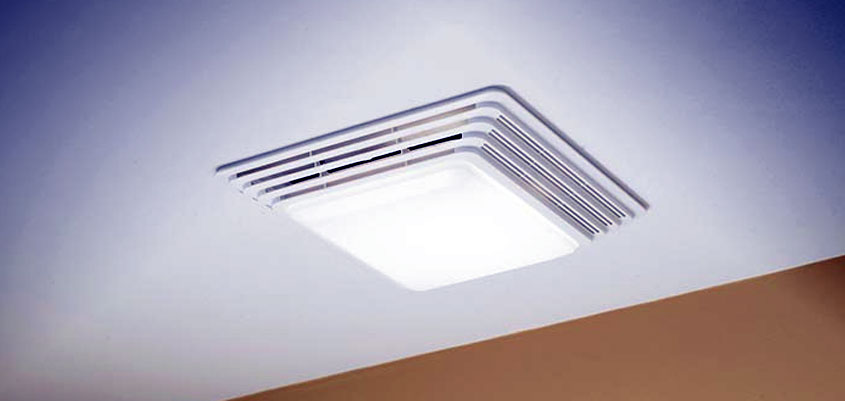
Do you know what the effects of indoor air pollution are?
Effects of indoor air pollution. Sick Building Syndrome
Air and the presence of water are the two essential factors that allow us to live and carry out all our daily activities. Therefore, both must maintain quality levels that, in the case of air, must ensure the absence of contaminating elements within our homes. On the contrary, the presence of gases such as carbon dioxide, methane, or water vapor and other contaminating elements such as dust, mold, or mites can cause respiratory and cardiac diseases. In this regard, the World Health Organization (WHO) has always affirmed that our health largely depends on our ability to improve the interaction between human activities and the physical and biological environment that surrounds us. In 1982, the Sick Building Syndrome (SBS) was defined as a set of health symptoms derived from factors present in a building's environment. In this way, a building is considered sick when at least 20% of its occupants show adverse health symptoms. The evolution is characterized by relief of symptoms or their disappearance within a few days of leaving the building and not returning to occupy it. According to WHO itself, 30% of current newly constructed buildings with a hermetic environment, non-operable windows, mechanical ventilation, and synthetic materials present this syndrome.Biohabitability. Interaction with contaminating elements
In recent years, the concept of biohabitability has developed as a new approach aimed at designing, rehabilitating, and constructing habitable spaces, considering parameters of human biology that allow projecting healthier spaces. In this sense, factors that are already known to be toxic must be considered before planning the project and construction of a building. Radon gas is a clear example as it has been shown to be linked to lung cancer. A prior analysis of the land, including a measurement of exhalation, is very effective in fostering a healthy environment inside a home. The interaction between construction systems, installations, finishes, and the users who will finally occupy the building must also be valued. Another important construction element that should be implemented is the ventilated air chambers, which provide an adequate level of ventilation throughout the building's exterior envelope. Hybrid or mechanical ventilation systems, as specified by the Technical Building Code, ensure a constant and controlled air renewal that prevents the proliferation of harmful elements for health, such as carbon dioxide or Volatile Organic Compounds (VOCs), present in construction materials, finishing materials, and furniture. Other contaminants whose appearance in the environment must be prevented are mold or mites, as they are responsible for allergies, asthma, headaches, and environmental hypersensitivity.

Siber Ventilation
Manufacturer of High Energy Efficiency Ventilation Systems. Siber provides a set of high energy efficiency solutions in wind and mechanically intelligent ventilation, improving the Health, Hygiene, and Comfort of people, being respectful of the environment.
Related posts

air admission
pipes
air extraction
heat exchanger
Efficient rehabilitation
air renovation
ventilation
mechanical ventilation
natural ventilation
Why is mechanical ventilation necessary in homes?
The need to ventilate homes through mechanical ventilation is due to the high level of airtightness that buildings currently have.
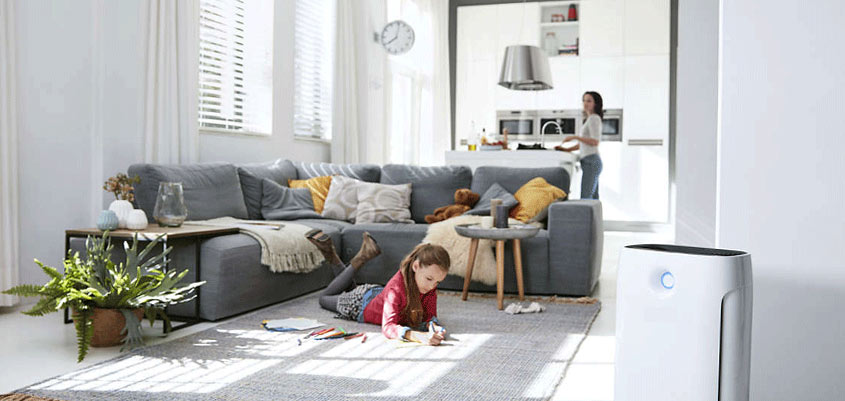
Ventilation systems and components
clean air
air quality
humidity
Air purification
Air Purifiers: Functioning and Possibilities in Our Home
The air we breathe at home can be of poor quality, and for that, we will need solutions like those offered by air purifiers. Are they efficient? We’ll tell you.