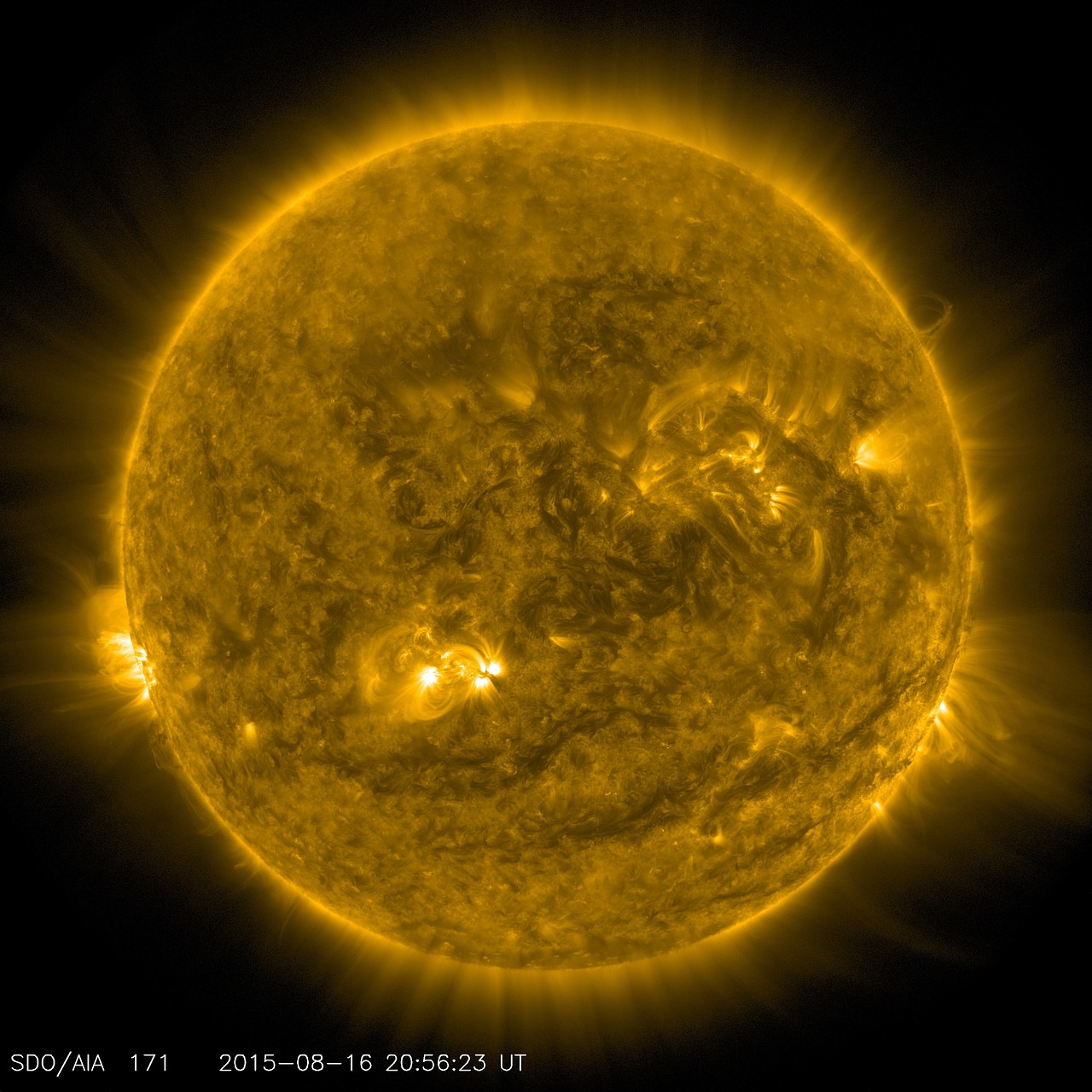
Did you know that ATEX zones started to be regulated recently?
An explosive atmosphere (ATEX) is a mixture of air, in atmospheric conditions, with flammable substances in the form of gases, vapors, mists, or dusts, in which after ignition, combustion propagates to the unburned mixture. This term does not apply when the explosion risk comes from unstable substances, such as explosives or pyrotechnics, and mixtures of air that are outside what is considered normal atmospheric conditions, such as processes under hyperbaric conditions, are also excluded.
Regulations related to explosive atmospheres
The first directives on potentially explosive atmospheres date back to 1976 for the entire industrial sector and to 1982 for the mining sector. Both prioritize the risk derived from the presence of flammable substances in the form of vapor or gas. The European Union has developed several regulations on this matter:- 94/9/EC regarding the approximation of the laws of member states on equipment and protection systems for use in potentially explosive atmospheres (ATEX 100)
- 1999/92/EC regarding minimum provisions to improve the health and safety protection of workers exposed to risks derived from explosive atmospheres (ATEX 137).
Explosibility limits
The Lower Explosivity Limit (LEL) indicates the minimum concentration of vapor in air below which fire will not propagate. The Upper Explosivity Limit (UEL), is the maximum concentration of vapor-air above which fire will not propagate. The mixture will be too lean to ignite if the concentration is below the LEL, while if it is above the UEL, it will be too rich to initiate ignition. The pressure and temperature of the flammable liquid strongly influence the explosibility limits. As the pressure opposing vaporization increases, the vapors hovering over a liquid are reduced, while they will increase when this pressure decreases.Ventilation of an ATEX zone
An explosion can occur when the temperature of flammability is reached. A small amount of the mixture reaching this temperature would be sufficient for ignition or explosion to occur, as the flame propagates through the entire mixture at a very high rate. Ventilation plays a very relevant role in areas where atmospheres could be explosive, as it allows to keep it below the Lower Explosivity Limit by diluting the contributions of gas or vapor that may occur. Once the necessary air flow is known, the extraction points should be located as close as possible to the pollution sources. It should also be ensured that the created air flow passes through harmful areas to carry away harmful gases without circulating through areas where personnel are present. Finally, it should be ensured that the air that has been expelled does not re-enter, therefore the air outlet points should be located away from the intake points.

Siber Ventilation
Manufacturer of High Energy Efficiency Ventilation Systems. Siber provides a set of high energy efficiency solutions in wind and mechanically intelligent ventilation, improving the Health, Hygiene, and Comfort of people, being respectful of the environment.
Related posts

air admission
pipes
air extraction
heat exchanger
Efficient rehabilitation
air renovation
ventilation
mechanical ventilation
natural ventilation
Why is mechanical ventilation necessary in homes?
The need to ventilate homes through mechanical ventilation is due to the high level of airtightness that buildings currently have.
clean air
air quality
humidity
Health and comfort
comfort
ventilation
Documento de Idoneidad Técnica (DIT) en ventilación: qué es y por qué el DIT 597R/23 de Siber marca la diferencia

ventilation
Ventilation systems and components
humidity
temperature
pollutants
industrial extractors
impulse
humidity
temperature
pollutants
industrial extractors
impulse
ventilation
Types of industrial extractors. Specific uses and characteristics
The use of industrial extractors for the ventilation of a premises consists of replacing the inadequate indoor air with another of better characteristics