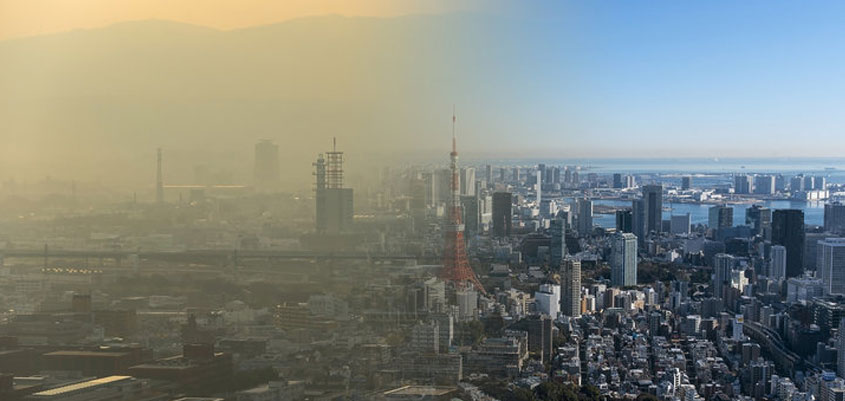
Contaminated air indoors and outdoors, which is more dangerous?
Pollution is a real problem in cities and even in less urban areas. Nowadays, there is great awareness of the dangers of climate change and also of polluted air in cities. However, the poisons we can breathe in our homes can be just as harmful or more than the pollution that exists outdoors. Because it is indoors where we spend most of our time and also where we are most vulnerable.
For example, it is at home where we rest and also where we sleep, so breathing low-quality air is very dangerous when we are indoors. In data, what is more dangerous? According to the World Health Organization, each year up to 4.3 million people die from breathing polluted air indoors, while those who die from outdoor pollution are 3.7 million.
It is true that a large part of the deaths occur in the third world due to the misuse of poorly maintained stove systems or due to coal combustion, which can be very toxic. Although we cannot overlook that in Spain there are indeed poisonings from carbon monoxide, which is lethal in a very short time and comes from old combustion stoves.
Where does the highest volume of indoor pollution occur?
- The stale air is one of the main causes of indoor pollution. It occurs when what we breathe loses quality due to cooking or the use of cleaning products, mostly. If we do not ventilate or renew the air, pollution settles and we become contaminated because of it.
- Humidity is another cause of pollution appearing in our homes. Responsible for respiratory diseases, excess water vapor in the air affects people and also home furnishings.
- Mold and dust mites are another problem that dirty the air we breathe at home, and proliferate in mattresses and curtains. They usually multiply in environments with great thermal insulation without good ventilation.
- Suspended particles often penetrate the home from outdoors or through cooking and can be very harmful to our bodies.
- Radon gas is one of the most unknown and undetectable poisons, and is produced indoors in many of our homes in Spain, especially in areas like Galicia. It is the second largest cause of lung cancer cases, only behind tobacco.
How to solve the problem of indoor pollution
The solution can be as simple as opening the windows, but that only works in some cases. For example, poorly ventilated homes can suffer from humidity and solving the problem may be more difficult than simply opening the windows.In any case, something very advisable to avoid problems from indoor pollution is to install small pollution sensors. There are very economical solutions with minimal consumption, which in the case of increased air pollution will alert us to open the windows or take other actions.
The location of buildings is also something very important to consider. For example, a significant risk factor is if the home windows face a traffic intersection, because there harmful particles for health double. In that case, it is important to close the windows during peak traffic hours, to open during the nights, as the entry of contaminating particles into the home should be avoided.
If there is no mechanical ventilation solution available, at least it should be considered that opening the windows in winter is essential every day. Studies recommend at least opening the windows for 20 minutes, although it is essential to do so during cooking and a few minutes afterward, plus not to forget that cleaning products can be as toxic or more than smoke. It is important not to forget that the use of aerosols and insecticides is very harmful to humans and should be avoided as much as possible.
The best solution to clean polluted air indoors is double flow mechanical ventilation, as with this we can introduce high-quality filtered outside air while extracting the air that has been dirty from cooking or that contains humidity, which helps our health.

Siber Ventilation
Related posts
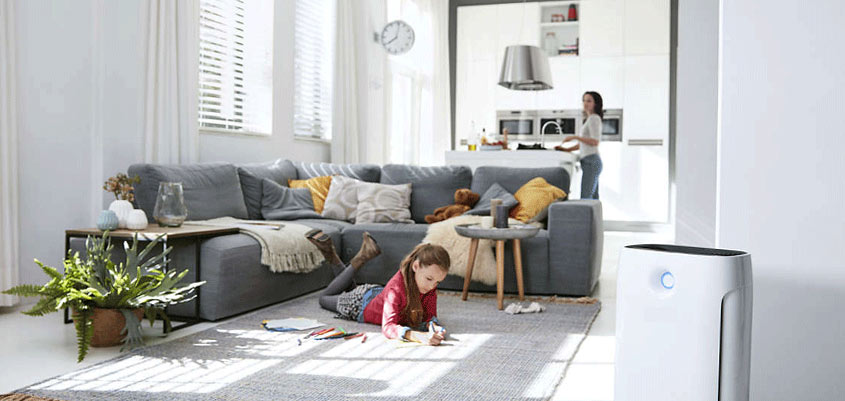
Air Purifiers: Functioning and Possibilities in Our Home
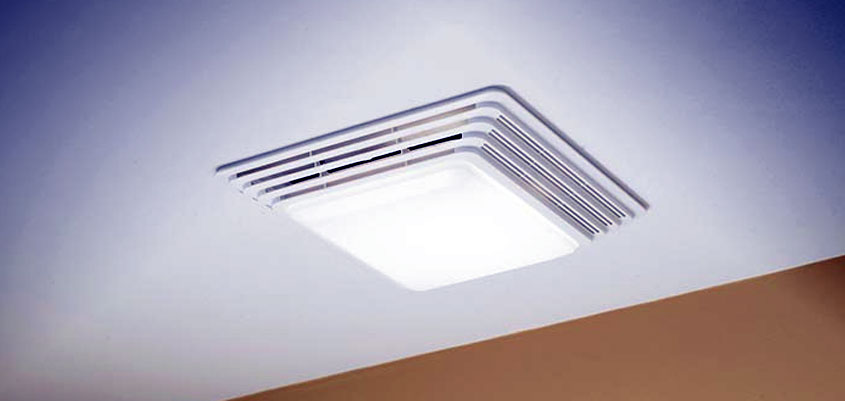
Bathroom fan to renew the air in humid rooms