Indoor Pollution and Its Impact on Health
What importance does indoor pollution have on our health? Much more than what many people tend to think. Right now, as we have become aware of the dangers posed by outdoor pollution and as there are more and more restrictions on the use of cars or fossil fuels every day, the population has realized the real problem that pollution poses. However, it is not so common to know that, in cities, buildings are the main emitters of pollutants into the air.
If what we produce in our homes and workplaces represents the largest number of pollutants released into the air of our cities, wouldn’t enclosed spaces also be a source of pollution? Without a doubt. It is very common to overlook the air quality we breathe indoors, but most respiratory problems occur because we allow our interiors to become polluted.
Cooking without opening windows, using chemical products without considering whether there is ventilation, the use of aerosols, or simply allowing dust accumulation are phenomena that can lead us to breathe stale air, which represents a significant problem for our health.
Some data to consider to understand the dangers of indoor pollution are as follows:
- More than 3 billion people worldwide heat their homes and cook indoors using combustion solutions. For example, these include wood stoves or coal cookers, among other solutions.
- More than four million people die prematurely each year due to diseases attributed to indoor pollution and stale air, which is caused by the use of fuels for cooking.
- The same contaminated air indoors is responsible for around 3.8 million premature deaths due to the onset of non-communicable diseases, such as strokes, ischemic heart disease, chronic obstructive pulmonary disease, or lung cancer.
- Of all the children under five who die from pneumonia, more than half do so because they inhaled particles of contaminated air at home.
Breathing poor quality air indoors, combined with a poor diet, tobacco use, or lack of physical exercise, can lead to pneumonia and other respiratory problems. The World Health Organization itself strongly recommends that in homes worldwide, the use of fuels for cooking or air conditioning should be avoided, but also that energy consumption should be curtailed. In any home, even if fuel is not used, it is possible to generate a mass of stale air or high humidity that ultimately affects people's health.
How to Combat Indoor Pollution?
The health risks derived from indoor pollution are significant and have already been discussed. Therefore, it is important to combat them at home to avoid health problems. How can we do this?The most efficient way is by ventilating the spaces. And, to achieve the best results, it is better to use mechanical ventilation systems. But in those homes where there is no ventilation mechanism - more than two-thirds of buildings in Spain are over 30 years old - we can also opt for the following:
- Open the windows. It is considered that to air out a room, it is enough to do so for 10 to 15 minutes, but it is important that the air circulates for as long as possible.
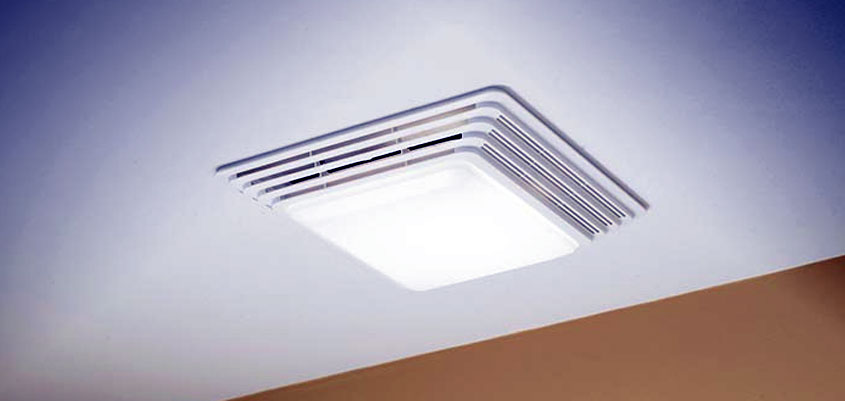
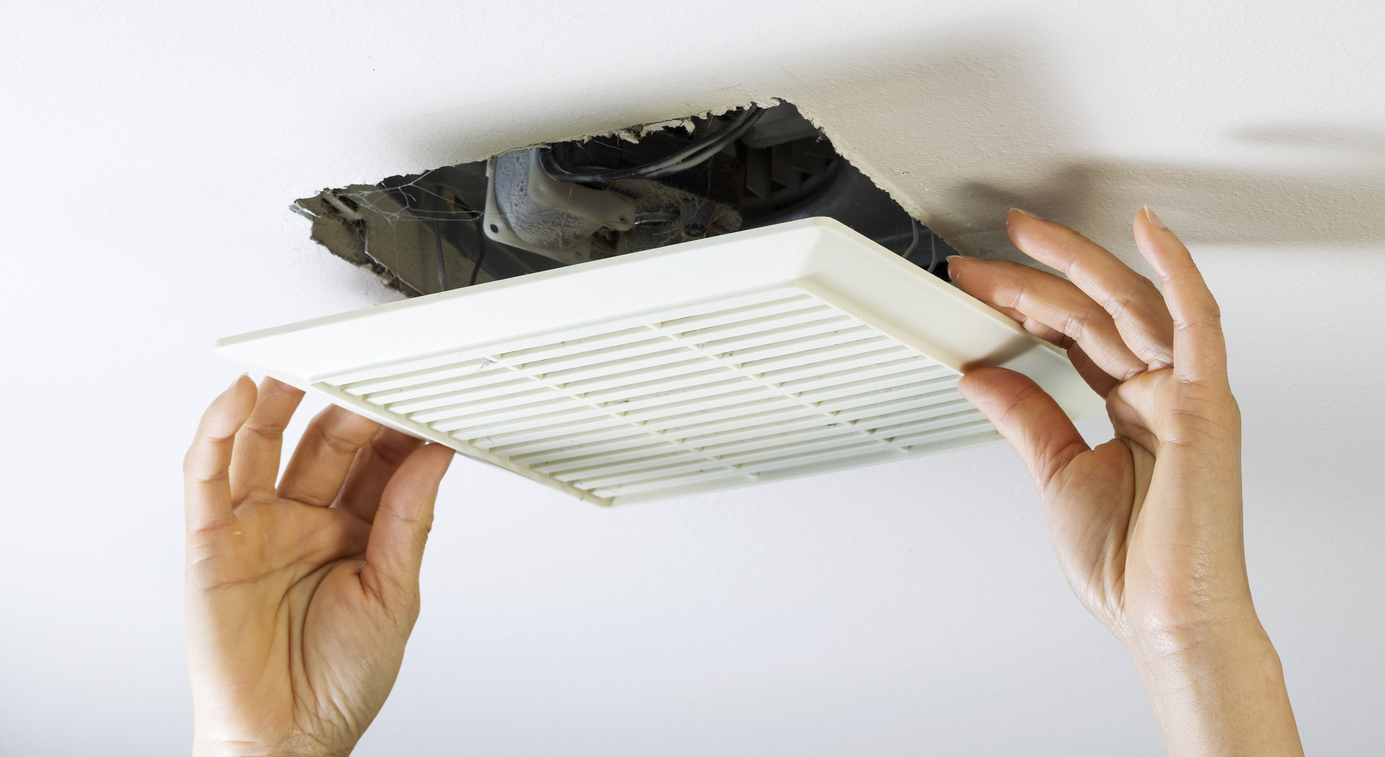
- Use bathroom extractors in washrooms, at least while the light is on. They are inexpensive and very easy to install.
- When cooking, use the extractor hood ten minutes prior to cooking and another ten afterwards, in addition to during the entire process.
- Every time we clean the house or cook, it is ideal to open the windows a quarter of an hour before and leave them open for at least ten minutes after finishing.
- We can get a dehumidifier to eliminate excess moisture if we live in coastal areas.
- The use of fans can also help, especially if they are directed towards the windows to extract air.
- Pay attention to bad odors, they are an indication that something is wrong with the air in the house.

Siber Ventilation
Related posts