How do spores affect our health?
Spores are very important microscopic bodies in the biological life cycles of plants, algae, and fungi. The latter produce spores except for some that do not and are called asporogenous fungi. The rest of the fungi can produce different types of spores that are classified as follows:
- Ascospores: produced in asci, specifically in the ascomycetes.
- Basidiospore: produced in the basidia of the basidiomycetes.
- Conidia: asexual spores produced in the conidiophores of imperfect fungi.
- Edidiospore: produced for example in Puccinia, where they alternate with the production of basidiospores.
- Sporangiospore: spores produced by zygomycetes.
- Glomerospore: produced by glomeromycetes.
- Teliospore: produced by the basidia of some basidiomycetes.
- Zygospore: produced in zygosporangia of zygomycetes.
- Zoospore: flagellated spores produced by primitive fungi such as chytrids and opistosporidia.
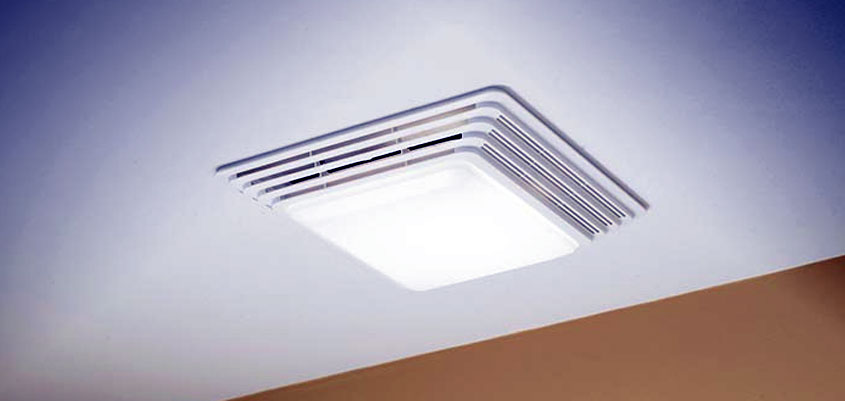
Spores also constitute the means of reproduction for molds, one of the main types of fungi that typically develops in humid and low light places. They are allergenic substances that can develop inside a home, especially around sanitary appliances and dishwashers. To prevent their development, the humidity inside a house should not exceed 50%, so adequate ventilation conditions are essential to prevent their appearance.
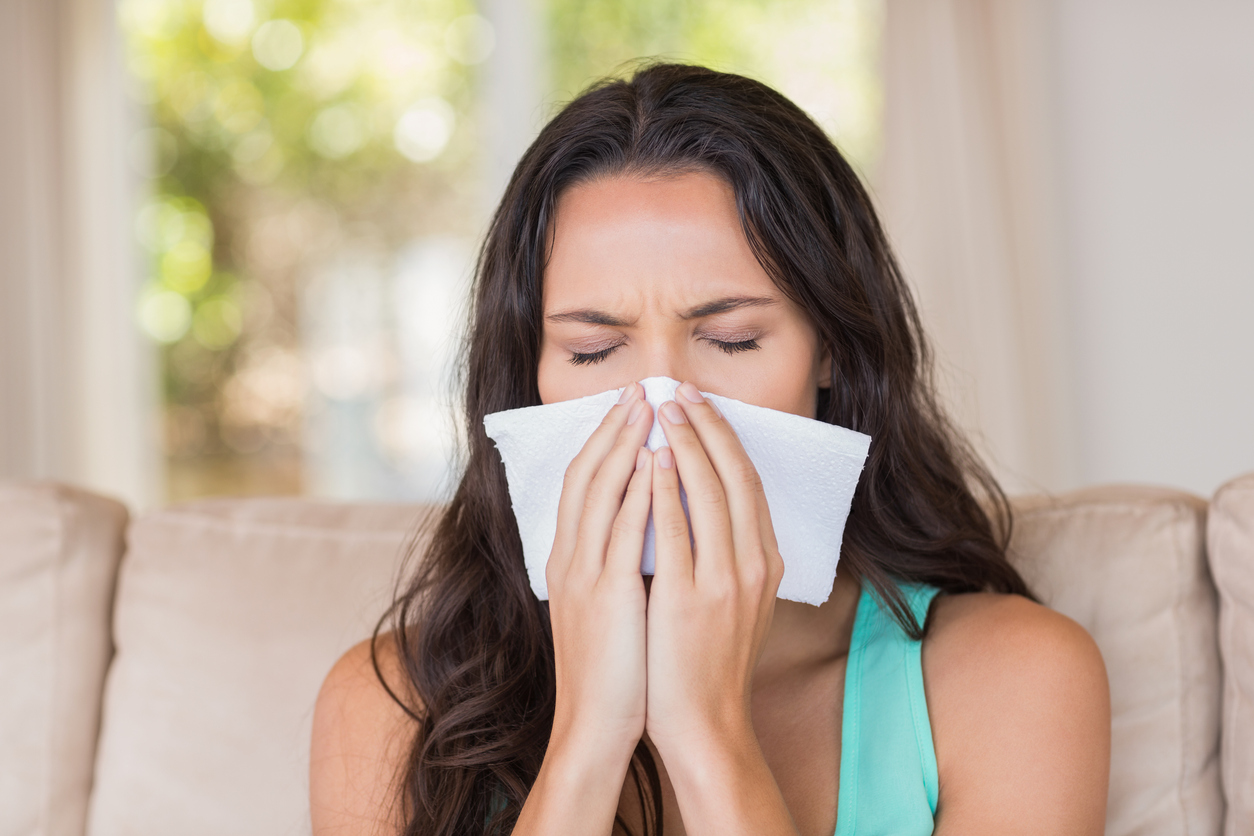
The ventilation must be especially thorough in kitchens and bathrooms. The presence of fungi can produce allergic reactions that create symptoms such as nasal congestion, eye irritation, or wheezing. In some cases, more severe reactions like fever and difficulty breathing may occur. People with chronic diseases, such as chronic obstructive pulmonary disease, may develop mold infections in the lungs. Some especially toxic molds can produce mycotoxins that can have very serious health consequences for some individuals.
Other allergenic organisms besides spores
Other allergenic organisms are house dust mites. They are characterized by having a life cycle of between 2 and 3 months. Their maximum size is 0.3 mm. They live in household dust and proliferate in warm and humid environments. It is highly likely that the feces of the mites cause allergic reactions since being similar in size to pollen, they can penetrate the lung alveoli. Household deposits where dust mites are often found include carpets, pillows, mattresses, or upholstered furniture. Among the allergic reactions they produce are perennial asthma, rhinitis, or conjunctivitis, often with nighttime or early morning episodes.
The presence of grains of pollen in our homes can also produce allergic reactions. Pollen is composed of water, amino acids, proteins, lipids, carbohydrates, minerals, vitamins, and enzymes. To avoid the allergic reactions that pollen grains often cause, it is advisable to reduce the intake of air inside the home between 5 and 10 in the morning, and between 7 and 10 PM, periods that coincide with the pollination processes of plants.


Siber Ventilation
Related posts