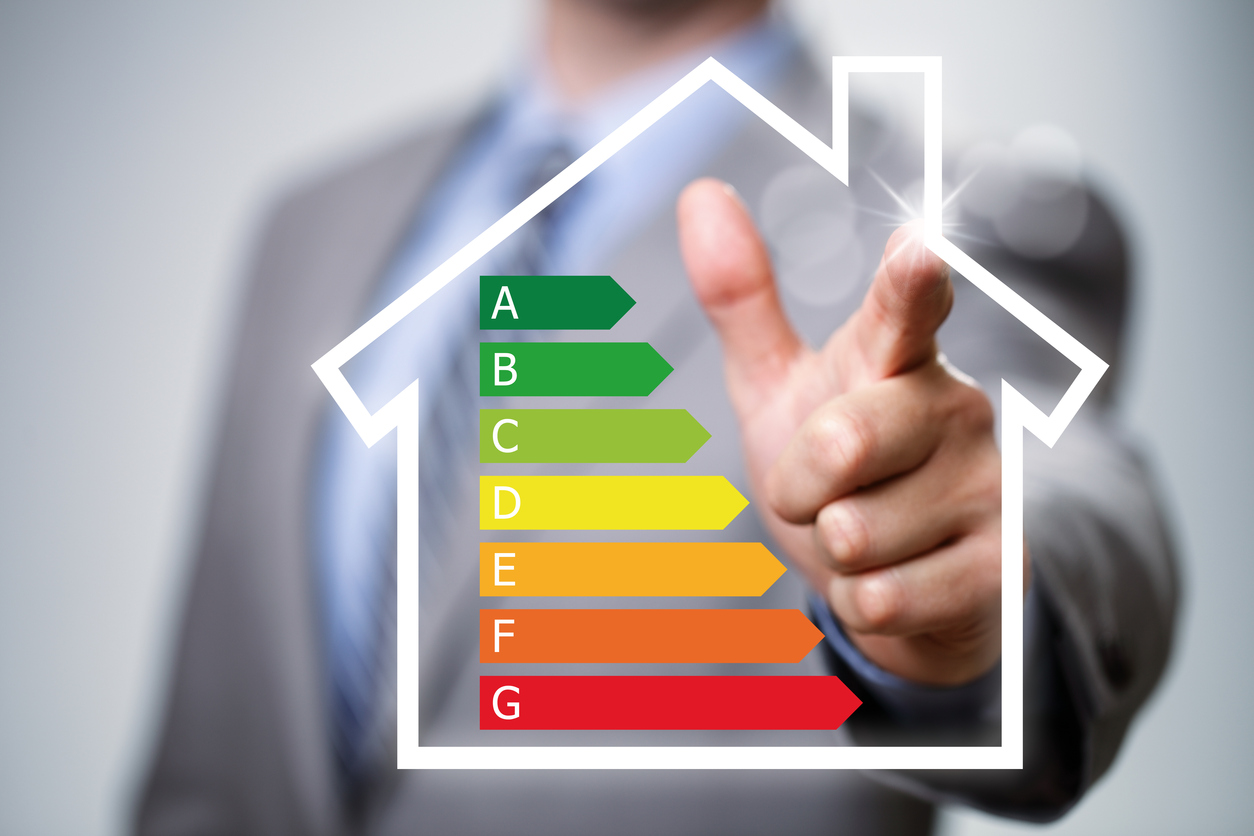
Challenges of energy efficiency towards 2020
Next year will be crucial in Spain for energy efficiency. As if the change of decade really made a big difference, the truth is that 2020 will have numerous efforts and pushes to cut energy spending in our country. From new actions for the generation of renewable energies to new measures to reduce traffic. Not to mention the obligation of Nearly Zero Energy Buildings, which will force all constructions to change the way homes and workplaces are planned. The challenges of energy efficiency in 2020 are undoubtedly ambitious, but also necessary.
A significant part of the importance of 2020 is due to the European Commission's Energy Union plan, which must culminate on January 1, 2020. It specifies that by then at least 20% of the total energy produced by member states must come from renewable sources. Right now, 31% of electricity is produced renewably, while in the case of refrigeration and air conditioning it is only 19.5%. The worst figures are in transportation, where only 7.8% is achieved.
Facing 2020, these figures must improve, and while Europe assumes that perhaps Spain will not meet the targets set at the beginning of January, it is estimated that they will be achieved during the same year.
Another important plan for next year is to reduce air pollution by 25% compared to 2012. Right now, a warning signal has been given from Brussels to Spain because, although almost all cities have managed to meet this requirement of the European Union, in Madrid the forecasts are that they will not be able to achieve this improvement.
In Barcelona, one of the main focuses towards 2020 is traffic restriction. Beginning in 2020, the challenges of energy efficiency from the City Council of the Catalan city will involve not allowing total circulation of the most polluting vehicles in the Low Emission Zone. In an area of 95 square kilometers, which covers the entire city and a good part of four neighboring municipalities, only cars with the corresponding badge from the General Directorate of Traffic will be able to circulate. 7% of the automotive fleet will stop occupying the streets, around 50,000 vehicles. These vehicles will only be allowed to operate in the restricted area on weekends and during all nights.
The best expectations for energy efficiency towards 2020, comments the European Union, are related to electrical energy and the common European energy market. A new step is expected next year in the free buying and selling of energy, which could translate into a reduction in electricity prices.
Nearly Zero Energy Buildings, one of the greatest challenges of energy efficiency in 2020
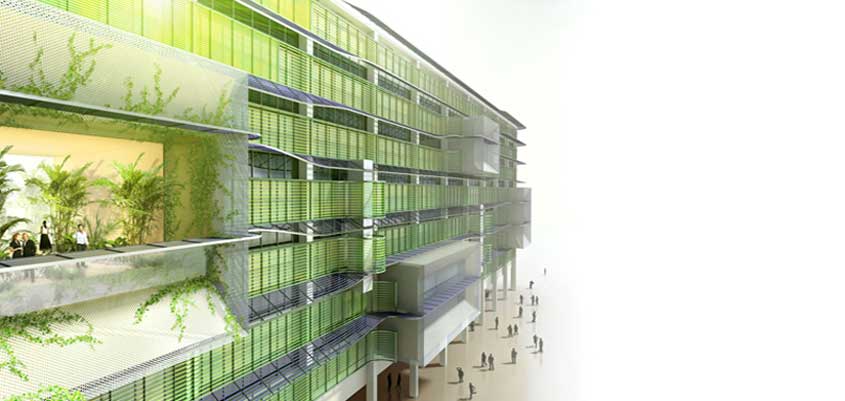
Undoubtedly, one of the major changes that will significantly impact the industrial and construction sector is the Nearly Zero Energy Building. An obligation stemming from the European Union that will directly affect all private constructions carried out from the year 2020.
The importance of constructing Nearly Zero Energy Buildings arises from the fact that the majority of pollutant emissions in urban territories do not come from traffic, but rather buildings generate more pollution in cities. And most energy consumption occurs concerning climate control systems: air conditioning and heating units generate the highest costs in supplies within homes and also workplaces.
The great challenge of Nearly Zero Energy Buildings is precisely climate control without relying on traditional solutions, in addition to betting on greater energy efficiency thanks to the use of renewable energies or even the building's orientation. Basically, the main aspects are:
- Controlled lighting. The most common is the use of LED bulbs, but above all, it involves understanding a new way of building. Lighting must control how solar energy enters, also utilizing automation systems. The orientation of the building is key.
- Minimal climate control. It is necessary that cold and heat do not enter homes and that buildings are protected without needing artificial solutions. For this, thermal insulation is very important, but also systems like ventilated roofs or the chimney effect on facades.
- Mechanical ventilation systems. To ensure air flow and health indoors, mechanical ventilation systems must be capable of introducing and extracting air. Moreover, if they have heat recovery units, they can climatize in an eco-friendly way.

Siber Ventilation
Related posts