Smart Homes, what defines smart homes?
The connected world has transformed the way we live. From the palm of our hand, we can control our finances, hire services, or discover what is happening on the other side of the planet in real time. All economic and productive sectors want to be at the forefront of this change, including real estate and construction. Smart homes, better known as smart homes, bring our homes to automated control of energy and also comfort. But they also introduce a new way to enjoy the home.
However, smart homes are best known for their entertainment and multimedia functions. Such as the popular voice recognition speakers connected to the Internet. But beyond that, the main function of smart homes is to turn homes into residences adapted to smart cities. Therefore, the focus is on their commitment to energy efficiency and sustainability.
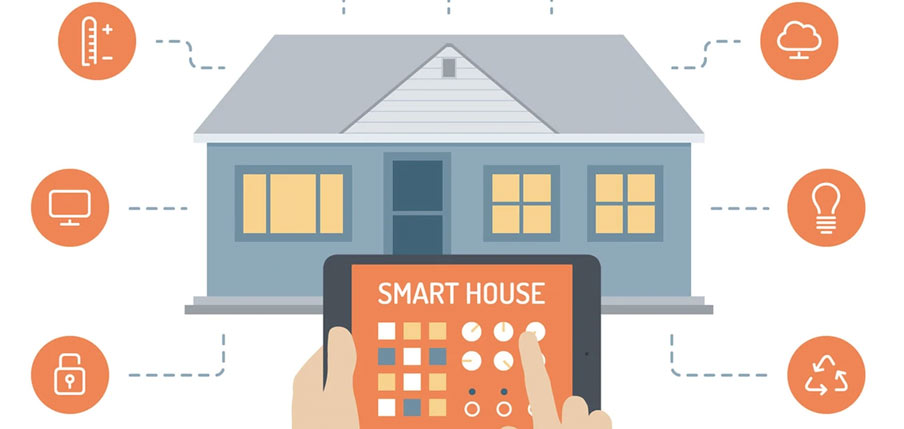
The main characteristic of smart homes is the centralization of energy and other aspects through a computer system, which is currently usually based on operating systems like Android or iOS. Through it, the following can be controlled:
- The lights, whether they should be on or off, and their intensity.
- The climate control in relation to the information available online at any given moment.
- The automatic window systems to make use of natural light.
- The operation of the mechanical ventilation system to extract or introduce as much air as needed.
- The automation of efficient air conditioning systems, such as heat recovery units, in addition to other types of solutions.
- Security and alarms, in connection with police central stations.
- Smart appliances that can alert us if, for example, something is missing from the fridge.
- Entertainment centers and Internet search.
According to a Ericsson Consumerlab report, the two main interests of consumers in smart homes in Spain are health and energy efficiency. To that end, one of the best solutions is a double flow mechanical ventilation system, which will improve air conditions in the home and also generate substantial savings on household utility bills.
The double flow ventilation is one of the most efficient systems and is ideologically compatible with smart homes, as it incorporates temperature and humidity sensors, in addition to being able to detect air quality or room occupancy. Thus, it adapts the air intake to the needs of the home. Moreover, it can filter the air so that what is breathed indoors is even better than outdoors.
In the same way, mechanical ventilation systems can include a heat recovery unit, capable of turning cold air into hot air, and vice versa. This makes it possible to do without traditional air conditioning, turning the property into a highly energy efficient residence, as required in smart homes.
What is the immediate future of smart homes?

We could say that smart homes are homes almost of the present. As we have mentioned, in smart cities, the most important thing is to start with residences, so in the present it is essential to invest in this.
Additionally, the costs are not as high as believed. Similarly, solutions in energy efficiency allow for the investment to be recouped in a reasonable time. The sector is focused on this, and gradually consumers will take it on as a natural investment.
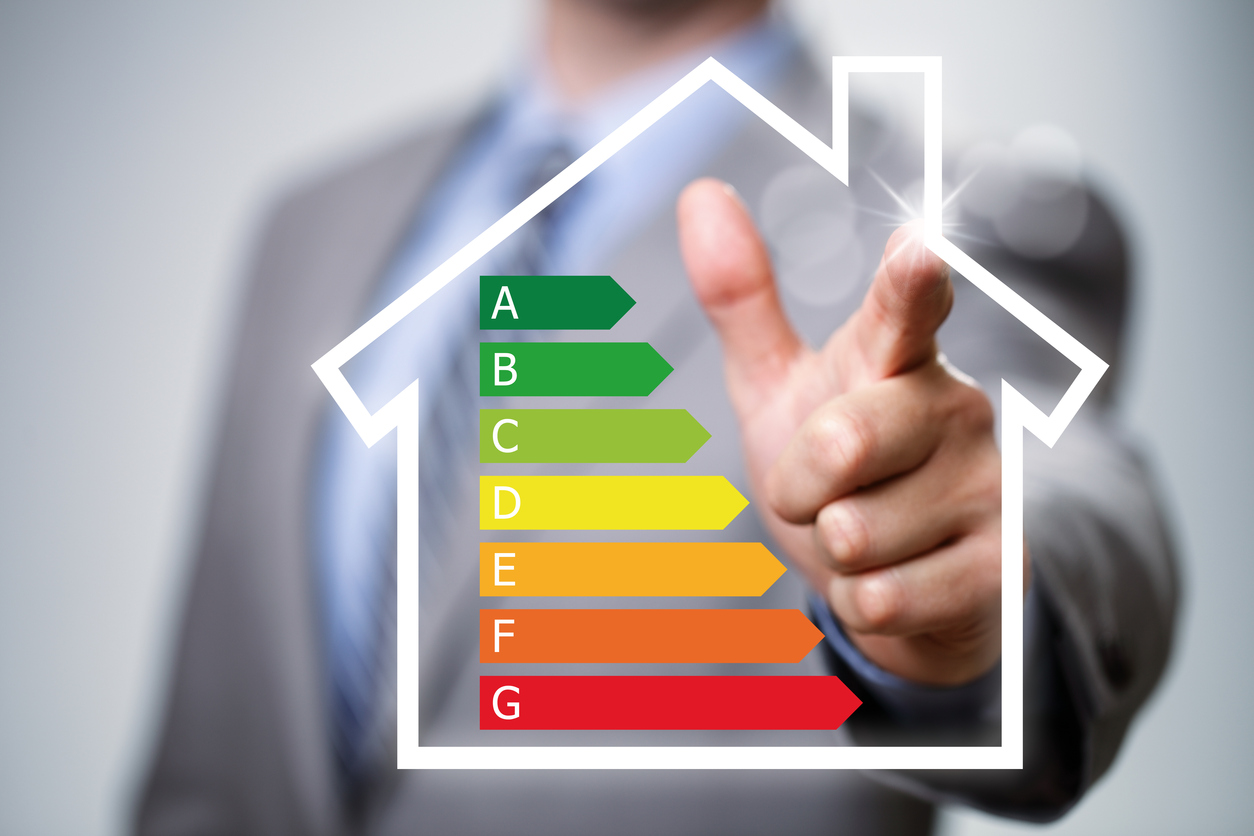
In any case, the great advance for smart homes is the current regulations. In 2020, all new construction must comply with European requirements for Nearly Zero Energy Buildings. And in this regulation, the necessary trends in energy efficiency will have to be implemented mandatorily.
One of the recurring questions, however, is whether the old housing stock can get on the train of smart homes or be left behind. And the answer is that any home, whether new or not, can carry out these reforms and adapt to a smarter and more efficient way of life. While it is easier in new constructions, many measures can be implemented in old housing stock. For example, ventilation systems can be installed in already constructed homes. It will all depend on how consumers perceive the value of these types of solutions.

Siber Ventilation
Related posts