Bioclimatic houses, a form of natural and ecological living
Bioclimatic houses are part of the future of sustainable architecture, alongside other ecological options offered by certifying initiatives in sustainable homes, such as Passivhaus, BREEAM or LEED. What does bioclimatic construction contribute to the landscape of environmentally responsible building? First of all, its distinguishing feature is that the entire design of the buildings takes into account the climate of the location where a house is to be built.
In bioclimatic architecture, all environmental conditions must be taken into account to reduce environmental impacts and, above all, convert them into energy. Always taking advantage of available resources and considering the main elements of nature: sunlight, rainwater or rivers, vegetation, and wind.
Closely related to all ecological construction techniques, bioclimatic houses should be built with structures that are responsible for the planet and that, during the construction process, create the least possible damage to the environment.
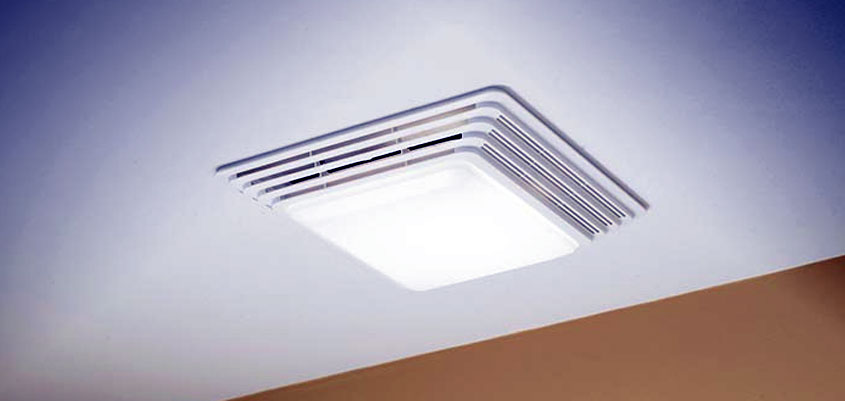
Likewise, the final result should be that of a home that enjoys better thermal comfort without spending on traditional air conditioning systems and that is also healthy for its occupants. This is why mechanical ventilation systems are necessary in bioclimatic houses. However, they go beyond other types of sustainable architecture and use non-toxic materials in their construction while making better use of solar light.
Bioclimatic homes should aim to be one hundred percent sustainable, or at least try to save as much as possible. In some cases, the construction cost may be higher than that of traditional homes, but the difference is usually amortized in a short time.
Is bioclimatic architecture really something new? In reality, much of its foundations are historical. It should be noted that air conditioning is relatively recent and that traditional heating systems had many deficiencies in the past. So, in previous decades, buildings were already constructed with bioclimatic principles.
For example, in the south of Spain, some of the concepts we now consider ecological were followed, such as orienting windows to the south. In Andalucía, traditional materials were also used, such as adobe - a mixture of clay and straw shaped like a brick - with natural plaster. Materials that were obtained from nature and that offered greater comfort indoors if built considering the region's climate.
Historically, the idea of this type of ecological construction was to achieve the necessary comfort by obtaining materials simply. Concern for the environment came later. However, the effectiveness of bioclimatic construction is demonstrated.
Principles of bioclimatic houses
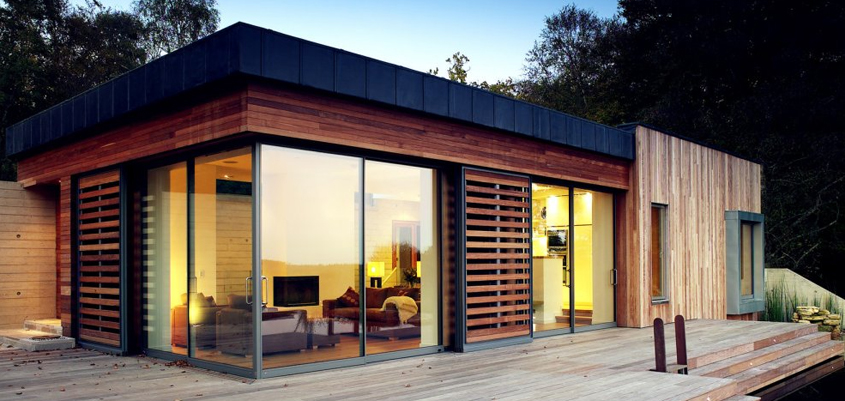
This type of architecture and construction mode is based on a model that takes advantage of all the opportunities of the natural environment, while the materials are obtained from the same surroundings. What characteristics do bioclimatic houses meet?
- They make efficient use of the sun, with passive elements. Thus, they need to seek the perfect orientation to take advantage of sunlight hours. If they are in cold places, they will seek to let solar rays penetrate the structure and have materials absorb this energy. In warm places, it will be necessary to protect against its effects in summer. Likewise, solar panels are used to generate clean energy.
- Bioclimatic houses need advanced mechanical ventilation systems. They utilize aerothermal or geothermal energy to provide comfort and health at minimal cost, in an energy-efficient and ecological way.
- This type of housing seeks to be strategically located where they can be supplied with other renewable energy sources, such as rivers or windy areas. The goal is to supply the entire home at zero cost, solely with energy recovered from the environment.
- They use sustainable architecture, a very general concept that seeks to minimize polluting impact throughout the building. The materials cannot be toxic or consume too much energy, either in their extraction or use, and they must also be recyclable.
However, bioclimatic houses go much further than that, and the main goal is that the environment has not been harmed in their construction and that they do not consume energy during their useful life.

Siber Ventilation
Related posts

Constant flow ventilation systems, how do they work?