




Can water be heated in a home with a ventilation system?
Ventilation systems and water heaters are becoming more common due to their great energy efficiency. After all, they obtain the thermal energy present in the extracted air and later use it to supply domestic hot water (DHW). In this article, we will talk in depth about this technology that, fortunately, we can all enjoy in our homes.
Ventilation systems and water heaters
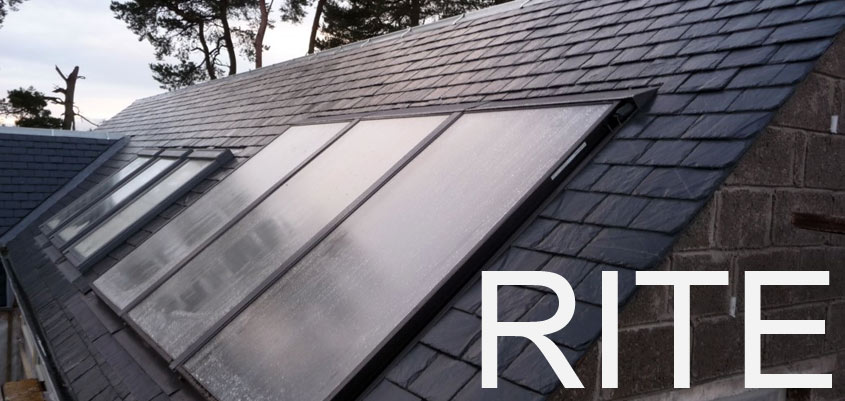
Ventilation and water heating systems allow for clean air and a suitable temperature level to ensure comfort inside the house. In addition, they make it possible to achieve DHW sustainably.Moreover, their installation is not as complex as it might initially seem. It is true that it is carried out more simply, economically, and quickly when designed on new construction projects or major renovations. However, it is possible to use this type of system in almost any home. The only requirement is to have enough space on the roof to place the outdoor units.
Heating water with extracted air
This technology is fundamentally based on aerothermal energy, a renewable source officially recognized by the European Union, as demonstrated by the Directive 2009/28/EC. Its operation is based on a heat pump that extracts thermal energy from the environment to heat the water stored in a tank.This process consists of a series of stages:
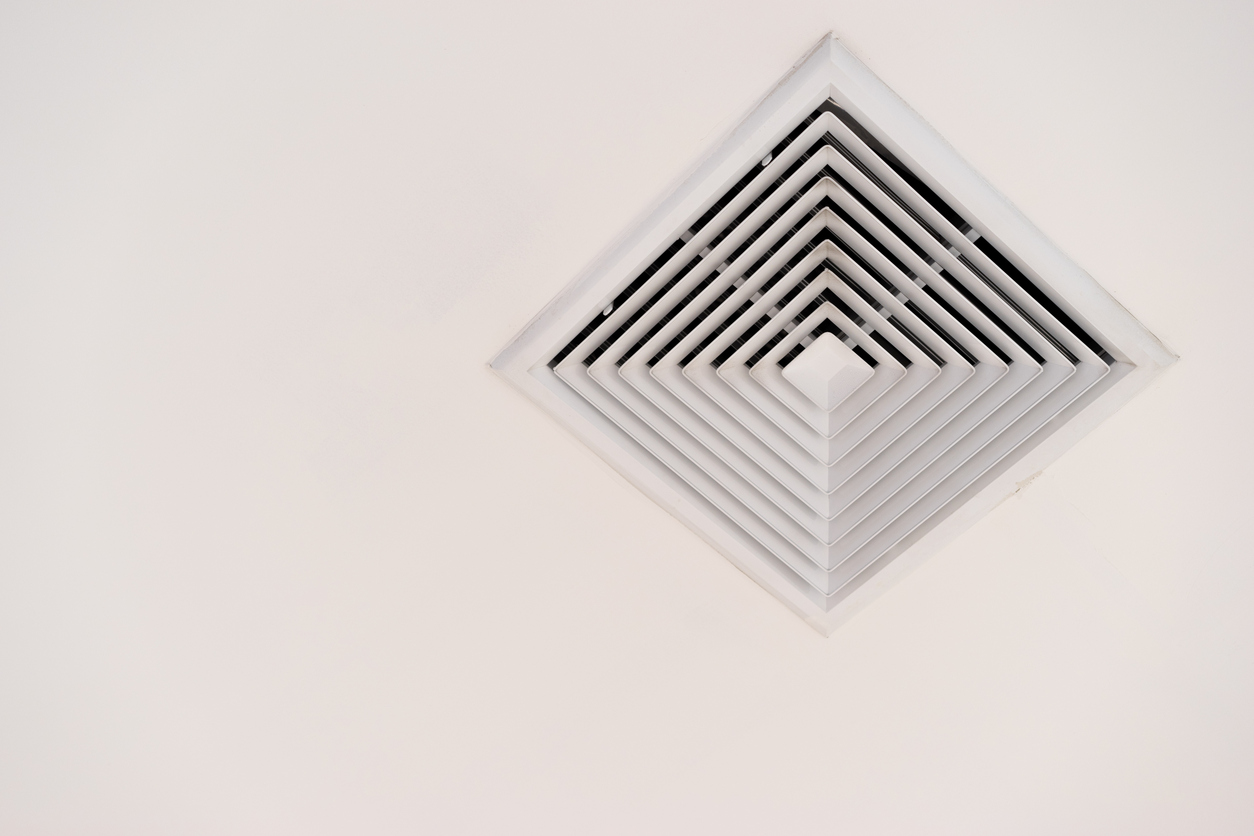
- The stale air from inside, which has a higher temperature than the outside, is extracted through a series of devices. The most common is to place them in the kitchen and bathrooms.
- This stale air is directed through a series of ducts to the heat pump.
- The heat pump extracts the thermal energy present in the air and uses it to heat a tank of water. The liquid can reach temperatures between 45 °C and 68 °C. Within that range, the user has the possibility to regulate them as they wish.
- The extracted stale air, once cooled, is expelled outside.
- New clean and tempered air is introduced into the home through the planned inlets. Thus, the process starts again.
Ventilation and energy savings in homes
Undoubtedly, the main attraction of ventilation and water heating systems is the energy savings they offer. Firstly, we can quantify it at around 10% regarding heating consumption.However, if we focus on the energy that a normal boiler needs to heat the same amount of water, we find that these systems save up to 75% of energy expenditure. This reduction is possible thanks to the use of high-performance heat pumps and direct current fans with minimal consumption.
Therefore, we are talking about systems whose installation pays off in relatively short periods through the relevant savings on the electricity bill. It should also be added that they consist of devices with a very long lifespan. On average, this is above 30 years. It also generates no waste, as it does not use combustion to obtain energy.
In short, ventilation and water heater systems have become key components, for example, in renovations of homes with the Passivhaus standard. A fact that clearly demonstrates the energy savings they can provide. Let us not forget that, to receive this type of certificate, countless requirements must be met in terms of sustainability, efficiency, and respect for the environment.

Siber Ventilation
Related posts