Stale air, that which is contaminating our homes
The word stale air is very common when we refer to homes where breathing is harmful to health or, at the very least, in a way that does not conform to the needs of comfort at home. Although it can also refer to pollution outside, we usually refer to this definition when talking about air in an enclosed space that is contaminated.
It is harmful to health in the long term - or in certain cases can be fatal without us realizing it, as happens with carbon monoxide poisoning - as it decreases the quality of life for those who inhabit the space affected by stale air. It typically arises from insufficient or nonexistent air renewal, along with the presence of contaminants in the environment, such as suspended dust, germs, or combustion residues from some combustion heating systems.
In most cases, stale air is usually detected simply by smell or even its presence can be visually detected. Except in the case of carbon monoxide, which originates in defective combustion systems and can be fatal as it is not detected. However, on many occasions, we can notice the presence of stale air through odors.
We should also worry about the air we breathe if we start to notice health problems when we are in the room that may be affected. From respiratory issues or coughing to difficulties concentrating, the presence of unusual fatigue and other symptoms. In work environments, stale air can cause low productivity.
We must be aware that, increasingly, our homes and buildings are much more efficient at staying hermetically closed. The entry of heat and cold is more difficult, but so is the entry of air from the outside and, very importantly, the exit of air that has been trapped for a while. Buildings breathe much less, and we spend more time than ever inside four walls. Therefore, eliminating stale air must be a priority to consider.
Explained in figures to understand the importance of the problem that exists with the air in our homes, 92% of homes do not meet the minimum health standards set by the World Health Organization. Stale air or the pollution produced is considered the tenth most important risk factor for health that is easily avoidable.
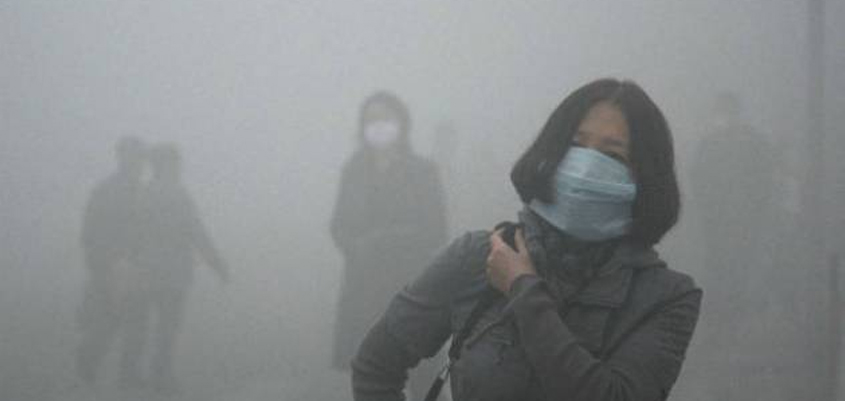
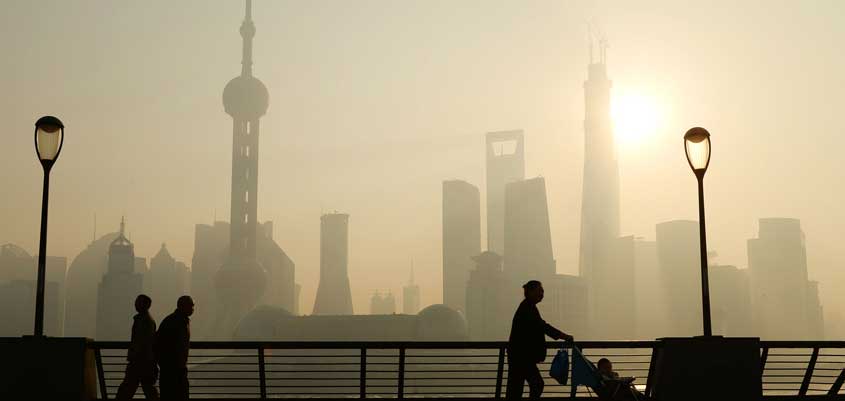
Certainly, the majority of problems occur in developing countries. Others, in heavily industrialized territories - like China or India - where the quality of outside air also does not reach the minimum required. In Spain, the major impact is found in large cities like Madrid or Barcelona.
What causes stale air in our homes?
Nowadays, most of the pollutants that lead to producing stale air originate indoors, although in some areas, outside pollutants are very important. It is very common to spend many hours inside closed spaces, and over time, pollutants develop, which can be chemical or biological, depending on the use of each space.
Some of the main pollutants we can find indoors are:
- Cigarette smoke is still one of the main pollutants in the home.
- Formaldehyde comes from disinfectants and other chemical products and is one of the most potent air poisons.
- The radon gas, depending on the location in Spain, is the leading cause of lung cancers after tobacco. And it originates in homes.
- Mineral fibers, epoxy resins, and other risks detected in recent years also contribute to the production of stale air.
- Many of the pollutants still come from outside our homes, especially in cities with a lot of activity. Industrial activity or traffic releases pollutants that can reach our homes.
- Pollutants produced by those who live in or occupy a space. For example, from smoking or using chemicals.
- The pollutants that buildings themselves can produce through their furnishings. This can be the paint itself or defective furniture, electrical and lighting equipment.
- A major pollutant in our homes is the combustion system. Old stoves, for example, if not in good condition, can emit carbon monoxide and cause discomfort in the home. Excessive use of heating or air conditioning systems can produce a lot of stale air.

Siber Ventilation
Related posts