Allergens: these are the microorganisms that inhabit our homes

The allergens most frequently found in a home are fungi and dust mites, tiny organisms that we do not distinguish at first sight but can cause us allergies, especially in people prone to have this type of reactions. The measures to avoid them involve taking into account several factors: good ventilation, moisture prevention, and proper cleaning of the interior of the home. The presence of moisture is a determining factor as it can cause mold and other allergens. It is a problem that can therefore be addressed from architecture, considering a series of factors in both design and construction:

Controlling moisture entry to avoid allergens in specific points of construction such as:

  1. Meeting of the exterior wall with the facade: when a facade wall is waterproofed from the inside, a waterproofing membrane should be provided that extends throughout its thickness and for 15 cm along the interior, measured from the level of the exterior ground.
  2. Meeting of the exterior wall of the facade: when the facade wall is waterproofed from the outside, at the bases of the facade the waterproofing membrane must extend 15 cm above the level of the exterior ground and a plinth will be placed at the upper finish.
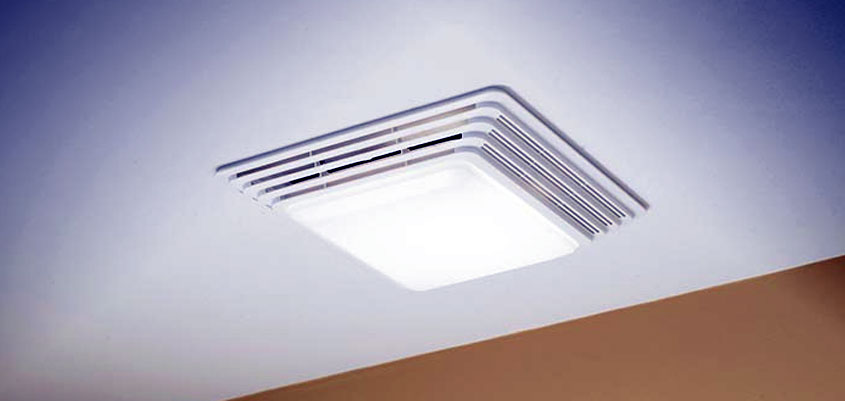
  • It is necessary to ventilate daily: natural ventilation is especially recommended to avoid the appearance of allergens. When distribution allows, it is advisable to have cross ventilation in the rooms of the house, that is, with two openings on opposite facades between which a ventilation current is created. If available, it is especially recommended to incorporate a small ventilation grille in each of the two frames to facilitate a constant flow of air. It is advisable to design the ventilation of wet rooms, i.e., kitchen and bathrooms, with special care, whether with natural, hybrid, or mechanical ventilation. This is where moisture concentrates most and where mold can appear. Half an hour daily is the minimum time required for the renewal of contaminated air inside a room to occur adequately.
  • It is advisable to use finishes on floors and walls that are hygienic and easy to clean. Walls should be coated with paint composed of a plastic and washable material. Wallpaper or fabric coverings should be avoided. When flooring, smooth or polished materials that are easy to wash are advisable. Carpets and rugs are also not recommended; if used, they should be cleaned daily. Other decorative elements such as plants are also places conducive to the appearance of allergen organisms such as dust mites.
  • The incorporation of insulation in windows is another very useful measure. Some manufacturers use aluminum and PVC frames with completely hermetic edges against pollen and dust mites.

Siber Ventilation

Manufacturer of High Energy Efficiency Ventilation Systems. Siber provides a set of high energy efficiency solutions in wind and mechanically intelligent ventilation, improving the Health, Hygiene, and Comfort of people, being respectful of the environment.

Related posts

Constant flow ventilation systems, how do they work?
air flow
energy efficiency
dual flow ventilation systems
Ventilation systems and components
fans

Constant flow ventilation systems, how do they work?

Constant flow ventilation systems adapt to actual ventilation needs and avoid losses of load or efficiency.
Bathroom fan to renew the air in humid rooms
clean air
air quality
bathroom
Health and comfort
fan

Bathroom fan to renew the air in humid rooms

The bathroom fan is essential for eliminating humidity and contaminated air in humid hygiene areas. We explain how it works.
Thermal balance: one of the objectives of the current regulations
energy efficiency
Energy efficiency and sustainability
Ventilation regulations
heat recovery unit

Thermal balance: one of the objectives of the current regulations

Thermal balance of homes according to current regulations (the RITE and the CTE DB HE Energy Saving) to ensure proper ventilation