Sanitary hot water (ACS) to save energy
Traditional air conditioning systems are undoubtedly those that require the greatest energy demand in the home. From the utility bills in our homes, most of the expense comes from heating or cooling the house when the cold or heat is very noticeable, and only gives us a respite in some months of autumn and spring. However, it is often overlooked that heating water is another major expense, likely the second in energy consumption within the home. For this, there are sanitary hot water (ACS) systems, which have been mandatory for over a decade in all new buildings.
The ACS systems for heating water are less necessary in summer, but in winter they become essential if we want our home to meet the requirements of energy efficiency. This is because in the cold months of the year, heating water can be the second largest energy consumer, only behind heating. According to studies by the European Union, heating water can have an approximate cost of 25% of the total energy consumed in winter.
While the use of hot water in the home depends on the routines of each person, the type of housing, and also the number of inhabitants, there are average values we can take into account to understand the importance of heating water with lower energy expenditure:
- Tap consumption at sinks: 3 to 6 liters per person.
- Shower consumption: approximately 30 liters per person.
- Bidet consumption: 5 to 7 liters per person.
- Bathtub filling: 100 to 130 liters per person.
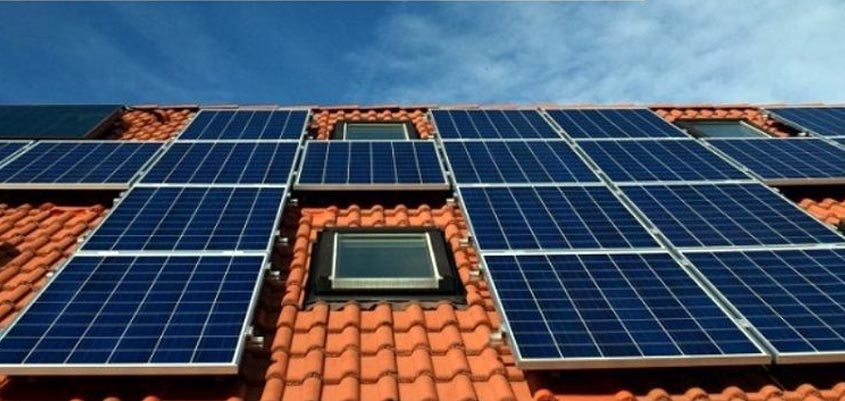
Historically, sanitary hot water was heated by electric systems, such as boilers, or gas. Today, while this is still the case, part of this hot water must come from energy-efficient systems, which requires the use of solar panels. In this case, it is different from the application of photovoltaic systems, which generate electricity. Nowadays, it is more common for solar panels on many buildings to be used to heat sanitary and drinking water.
Different types of sanitary hot water (ACS) and how to opt for energy efficiency

- Instantaneous hot water systems in the home. They are the most common in apartment blocks and for smaller families. They heat water just at the moment the supply is opened. The advantage is that if they are not used, they do not have energy expenditure, but on the downside, it must be said that they do not heat water instantly, but require prior effort and lose energy and liters in the process. Among them, electric heaters are more economical, but they do not have sufficient power when it comes to cold climates, and they are only recommended in summer houses in warm climates. Gas heaters, in addition to requiring a difficult structure and incurring another supply cost, tend to be expensive.
- Accumulation systems. They have a storage tank and, although they always consume energy, are more economical than gas ones, especially in winter. They are of high energy efficiency when combined with capture through solar panels.
The best option for energy savings is that of centralized sanitary hot water systems. In this type of installation, hot water can be supplied centrally from a large boiler to many homes, centrally. This is because centralized power for all homes has lower consumption than individual systems, and it can be water heated by solar panels in combination with traditional systems.

Siber Ventilation
Related posts