The ventilation of indoor spaces in the post Covid-19 era
The outbreak of COVID-19 in early 2020 marks a profound before and after in many essential aspects of our society: the re-evaluation of science, new forms of consumption and communication, the ventilation of indoor spaces or a greater attention to the healthiness of our environment are just some of the changes that have come to stay. And it is that only in our country, we have widely surpassed 10 million infected and 100,000 deceased, figures for history.
One of the fundamental aspects and greatest concerns during the pandemic crisis has been to ensure air quality in indoor spaces and its proper ventilation, since a high percentage of infections have occurred in enclosed spaces such as homes, shopping centers, offices, and workplaces or public buildings. From the Siber blog, we want to answer the following question:
What practices should we maintain once the pandemic is over?
The importance of aerosols
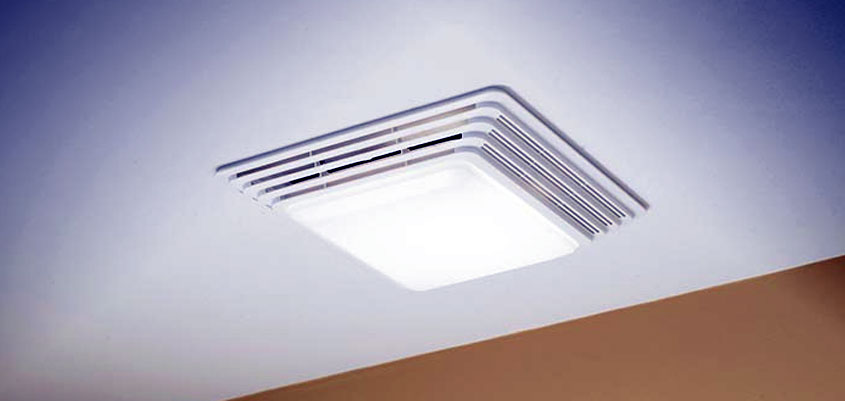
According to a study published by the World Health Organization, inhabitants of modern societies spend up to 90% of their time indoors. In this sense, society as a whole has become aware of the importance of aerosols, which are particles or droplets that we expel when we talk, cough, or sneeze and which are a vehicle for virus transmission. These, especially in indoor spaces, have a high capacity to enter other organisms more easily and spread different types of diseases. According to the guide published by Acetyr, “the reform of the thermal installations of buildings must be undertaken urgently to ensure that the minimum ventilation flows are guaranteed that ensure the healthiness of indoor air and minimize the risk of contagion of this disease and others that may come in the future by air.”Ventilation is necessary to eliminate compounds produced in occupied spaces such as CO2, humidity, dust, bioeffluents, microorganisms, and volatile organic compounds (VOCs). The pandemic has highlighted the need to properly ventilate commercial premises, offices, schools, etc. Furthermore, it serves to prevent contagion from other diseases such as the flu, in addition to improving the healthiness of indoor spaces with the advantages it brings in terms of comfort, well-being, productivity, and health of people.
Recommendations for indoor ventilation systems
The organization also makes the following recommendations regarding the installation and maintenance of ventilation systems in buildings:- For those spaces equipped with mechanical ventilation systems, the recommendation is to operate full-time. In buildings without activity, it is not recommended to turn off the ventilation, as it is preferable to operate at reduced speed.
- As a general rule, it is reasonable to provide as much outside air as possible and a non-concentrated distribution of occupants to improve the dilution effect of the ventilation.
- In buildings without mechanical ventilation systems, the active use of operable windows for 15 minutes before use is recommended. This measure is extensible to buildings with mechanical ventilation.
- The transmission of virus particles through heat recovery devices is not a problem when an HVAC system is equipped with a dual battery unit or another heat recovery device that ensures a 100% air separation between return and supply.


Siber Ventilation
Related posts