¿Cuales son los sistemas de ventilación apropiados para una vivienda plurifamiliar?
Desde la entrada en vigor del Código Técnico de la Edificación (C.T.E) en el año 2006, los sistemas de ventilación para viviendas deben ser mecánicos o híbridos, limitándose el uso de la ventilación natural como sistema complementario de ventilación en cocinas, comedores, dormitorios y salas de estar.
Se considera ventilación mecánica a aquella en la que la renovación del aire contaminado se produce mediante el funcionamiento de aparatos electro-mecánicos dispuestos para tal fín. En la ventilación híbrida por el contrario, cuando las condiciones de presión y temperatura ambientales son favorables, la renovación del aire se produce mediante una ventilación natural. Cuando no lo son, la extracción del aire se hace por medios mecánicos. Por tanto, mientras el extractor mecánico tiene que estar en funcionamiento las 24 horas al día, el extractor híbrido lo hace sólo cuando no se dan las condiciones favorables para que exista un tiro natural.
La vivienda plurifamiliar: sistemas de ventilación
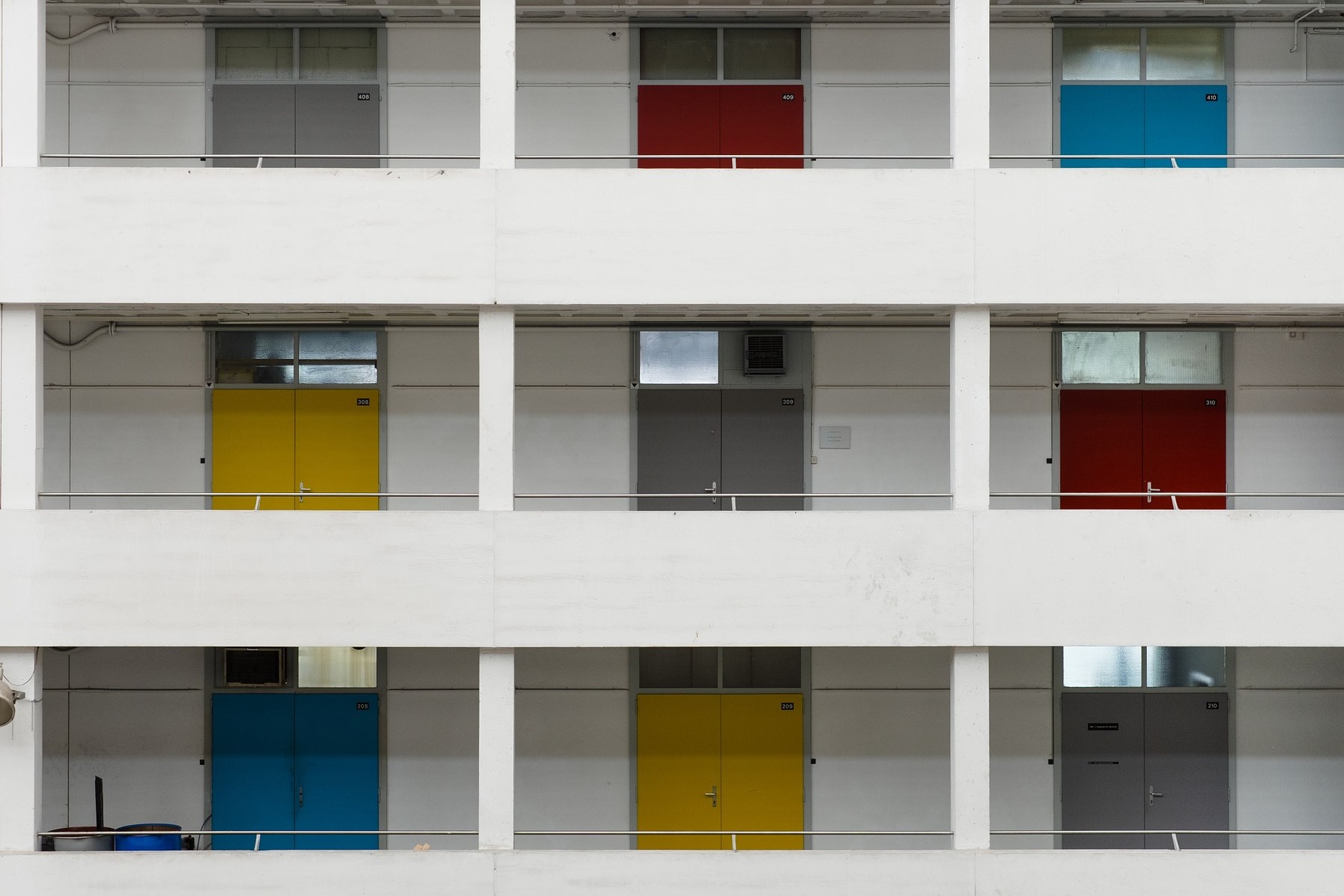
La agrupación de viviendas en un sólo edificio de tipo plurifamiliar, también conocida como vivienda colectiva o vivienda en bloque, supone un notable aumento del volumen edificatorio, ya que se incrementa la superficie en planta y la altura del edificio. Este aspecto tiene muchos condicionantes sobretodo a la hora de elegir el sistema de ventilación, que necesariamente deberá ser una ventilación mecánica por los motivos que se exponen a continuación.En la ventilación mecánica los conductos de extracción de los locales de diferentes viviendas pueden conducirse por tramos horizontales hasta un único conducto vertical de expulsión. Sin embargo en un sistema de ventilación natural o híbrida, la extracción de cada local en cada vivienda, debe realizarse a través de un único conducto vertical. La agrupación de viviendas hace poco viable este sistema por el gran número de conducciones que se necesitarían para hacer funcionar el sistema de ventilación. En la ventilación mecánica, sin embargo, no existe un límite en el número de plantas a las que se puede servir con cada conducto vertical, que se puede utilizar tanto para la extracción como para la impulsión de aire.
Sistemas de ventilación de doble flujo en la vivienda plurifamiliar
Los sistemas de ventilación de doble flujo, se caracterizan por disponer de un intercambiador de calor que extrae las calorías del aire contaminado y las trasfiere al aire limpio procedente del exterior. Este proceso se invierte en verano para que el aire introducido esté a una temperatura ambiente de aproximadamente 19º C. De esta forma se reducen los costes en el acondicionamiento de la vivienda, por lo que se convierte en un sistema muy eficiente. Cuando se emplea en una vivienda plurifamiliar suele ser un sistema centralizado, en el que se dispone de dos extractores colectivos en cubierta. Al mismo tiempo, consta de un grupo para insuflar aire limpio procedente del exterior en dormitorios y salas de estar, y de un grupo de extracción para expulsar el aire contaminado de cocinas, aseos y cuartos de baño. Cada vivienda tiene su propio intercambiador, con lo que se consigue recuperar hasta un 94 % de las calorías del aire extraído mediante el cruce de flujos que se produce en el recuperador de calor.

Siber Ventilación
Entradas relacionadas

¿Por qué es necesaria la ventilación mecánica en las viviendas?
Instalar un extractor silencioso: una cuestión de salud