Energy rehabilitation for the cities of the future
How many buildings can we say meet the standards to be energy efficient? What today is a very important necessity in our cities. According to data from the European Alliance of Companies for Energy Efficiency in Buildings (EuroACE), only 16% of all constructions in our country meet it. The rest of the Spanish properties, 84%, consume more energy than they should. This is why there is increasingly stronger talk about energy rehabilitation. A step forward to improve life in our homes and cities, in addition to achieving greater savings.
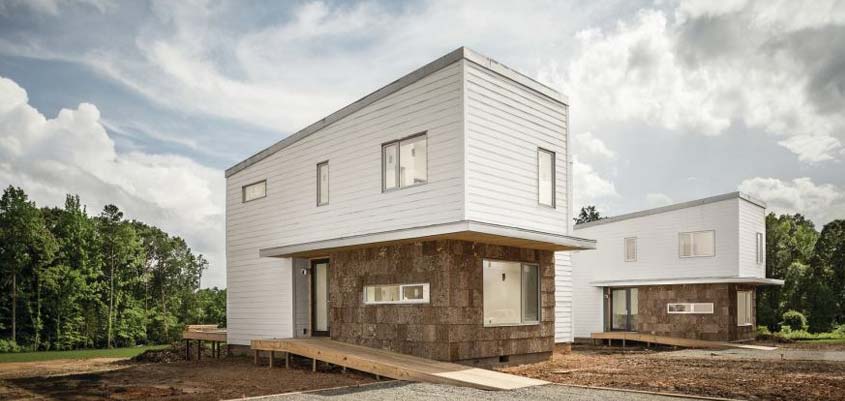
In the search for energy efficiency in cities it should be taken into account that buildings consume around 50% of the energy needed every day in large cities, which makes them one of the biggest sources of emissions as well. This is one of the reasons why, starting in 2020, all constructions that take place in Spain will be Nearly Zero Energy Buildings. It all stems from the European directive that will require all new constructions, whether public or private, to use alternative energy sources, mechanical ventilation systems, install airtightness mechanisms to prevent heat loss in winter, or alternative building materials.
However, what do we do with the 84% of current homes in our country that are still energy inefficient? The solution lies in energy rehabilitation, a phenomenon that not only attracts homeowners but also governments. Moreover, it is being prioritized by the administration that homes implementing reforms to improve their energy consumption can access various subsidies.
What does a renovation in the home or office based on energy rehabilitation imply? In this case, the renewal of the property mainly focuses on ensuring that energy consumption significantly decreases, to a level similar to that of Nearly Zero Energy Buildings. After all, for a project to be considered energy rehabilitation in a certified manner, it must comply with the provisions of Directive 2010/31/EU of the European Union regarding Energy Efficiency in Buildings.
Basically, it is based on the following points:
- The use of air conditioning and ventilation appliances must be minimized as much as possible. As they have the highest consumption, it is essential for the entire project to focus on this.
- Measures that stop heat and cold will be installed, such as the installation of ventilated facades and roofs.
- Floating blinds or awnings will be installed to mitigate the effects of wind in winter and sunlight in summer.
- The materials for windows can be replaced with those made of PVC.
- Construction materials must promote airtightness so that cold and heat do not penetrate the home.
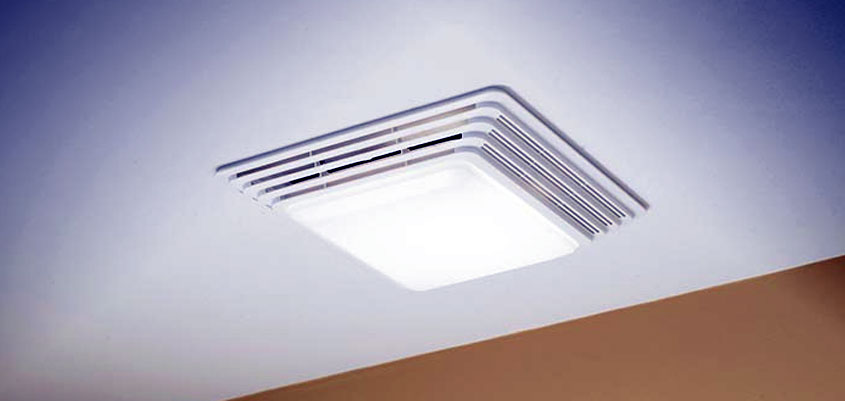
- It is necessary to install a mechanical ventilation system, as this will make us less dependent on air conditioning solutions.
- Refrigerators and washing machines must be of maximum energy efficiency. Likewise, lighting must use LED technology.
Saving and subsidies in energy rehabilitation
The key to energy rehabilitation lies in benefiting different actors. First of all, cities are less polluted, improving people's health and reducing the effects of climate change. Additionally, energy costs are much lower, making it a good idea long-term to invest in this technology.Since reducing pollution in cities is a major goal in Europe, many subsidy plans are already being implemented for those who carry out energy rehabilitation. For example, in Barcelona, 14 million in aid is being offered for this purpose. These aids can account for up to 50% of the renovation, and if solar panels are also installed, beneficiaries can receive discounts on the property tax bill for three years. In Barcelona, only buildings older than 60 years - before reforms in thermal aspects regulations - account for 28% of the city's energy consumption.
Since energy rehabilitation is an important part of the future of construction in renovations, aid is also provided for training in this field. For example, the Valencian Employment Service has created a specific course for it, as it considers job opportunities in sustainable renovations to be interesting for the future.
In any case, it is important to popularize energy rehabilitation, as the reduction of pollution in cities depends on it. The new European directive considers this practice essential, along with others such as the creation of an intelligence indicator for buildings, the commitment to mechanical ventilation systems, or promoting sustainable transport by creating parking spaces for electric vehicles.

Siber Ventilation
Related posts

Constant flow ventilation systems, how do they work?