Controlar el nivel de humedad con ventilación mecánica
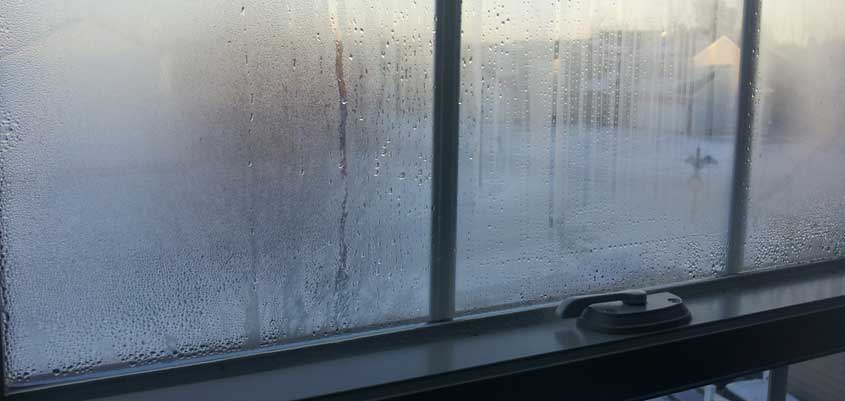
La humedad por condensación de vapor de agua es uno de los peores problemas -y también de los más habituales- que sufren los edificios, sobre todo aquellos más antiguos. En la edificación moderna, si se siguen los criterios del Código Técnico de la Edificación, se puede controlar el nivel de humedad sin problemas, ya que los métodos de construcción descritos en el texto aseguran que no se produzca la condensación de vapor en el aire. ¿Qué método es el mejor para combatir las humedades en viviendas más antiguas?
Las soluciones contra la humedad en los hogares son variadas. Y casi todas se basan en el mismo principio: airear la zona afectada para que el aire deje de tener un exceso de vapor. Pintar las paredes y otras supuestas soluciones, por ejemplo, son un error y no funcionan. Todo pasa por una mejor ventilación, ya sea de manera natural o instalando soluciones profesionales.
Por supuesto, si el problema de humedades persiste la mejor solución será siempre optar por un sistema de ventilación mecánico. Cuando menos, una solución de extracción en las zonas donde hay condensación de vapor es la manera perfecta de renovar el aire. Ante todo en zonas como las cocinas o los baños, que son los lugares más afectados y donde más difícil resulta controlar el nivel de humedad.
Puede parecer que la solución más natural para un problema como es la humedad sea dejar entrar el aire del exterior, pero en realidad es la ventilación mecánica y sobre todo los sistemas de doble flujo los que mejor actuarán contra la humedad. Y también de la manera más natural, ya que no solo se garantizará la renovación del aire, sino que también se hará en su justa medida. Gracias a los sistemas mecánicos, toda la estancia recibe aire nuevo y no quedan zonas de fuga, como sí puede pasar solo con airear el recinto.
El propio Código Técnico de la Edificación lo especifica en su Documento Básico de Salubridad y Calidad del aire interior. Allí se deja claro que las condiciones mínimas que necesita una vivienda para tener los valores de salubridad necesarios pasa por un sistema de ventilación adecuado para el edificio. Y para controlar el nivel de humedad, dicha instalación ha de cumplir con los mínimos re renovación de aire recogidos en el texto.
Dichos valores a los que el sistema de ventilación deberá adaptarse no son siempre los mismos. En el mismo documento en el CTE se aclaran qué caudales son necesarios para cada situación específica. Se han de realizar los necesarios cálculos que se requieren para cada caso y garantizar unos caudales de ventilación.
Sistemas para controlar el nivel de humedad
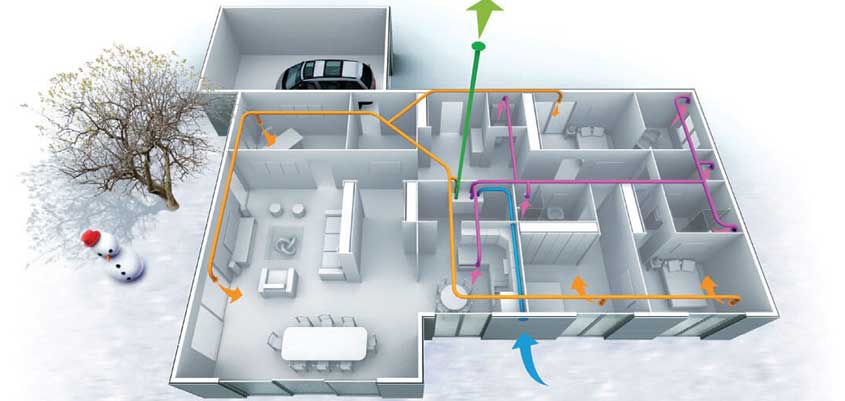
Existen muchas falsas soluciones contra la humedad, y al final el único método infalible es la propia ventilación mecánica. Ya sea de flujo simple y con rejillas de ventilación o de doble flujo. Esta segunda es siempre la mejor opción, al ser capaz de controlar la extracción y la introducción de aire, además de poder contar con una unidad de recuperación de energía.
Los sistemas de ventilación mecánicos pueden incluir, además, detectores para controlar el nivel de humedad. De esta forma, podrán activar el sistema y adaptar su uso a las condiciones exactas que se requieran en cada momento. También en función de la temperatura y de la gente que se encuentre en la estancia.
Antes de instalar un sistema de ventilación, existen otras opciones a tener en cuenta:
- Tener especial cuidado con las cocinas y los baños. Usar extractores para cocinar y airear los lavabos cuando están siendo usados. A veces, lo único que ocurre es que falta que entre aire renovado en esas estancias.
- La humedad deja manchas en las paredes y olores cuando los niveles ya han superado y mucho los límites aceptables. Unas manchas en una pared, por ejemplo, no significa que la humedad se origine ahí, así que con pintar encima no se soluciona nada. Al contrario, solo se trata de ocultar un problema que acabará por volver a aparecer.
- Pueden utilizarse deshumidificadores en caso de que queramos controlar el nivel de humedad en el aire. Suelen ser eficientes en según qué casos.


Siber Ventilación
Entradas relacionadas

¿Por qué es necesaria la ventilación mecánica en las viviendas?

Sistemas de ventilación con caudal constante, ¿cómo funcionan?