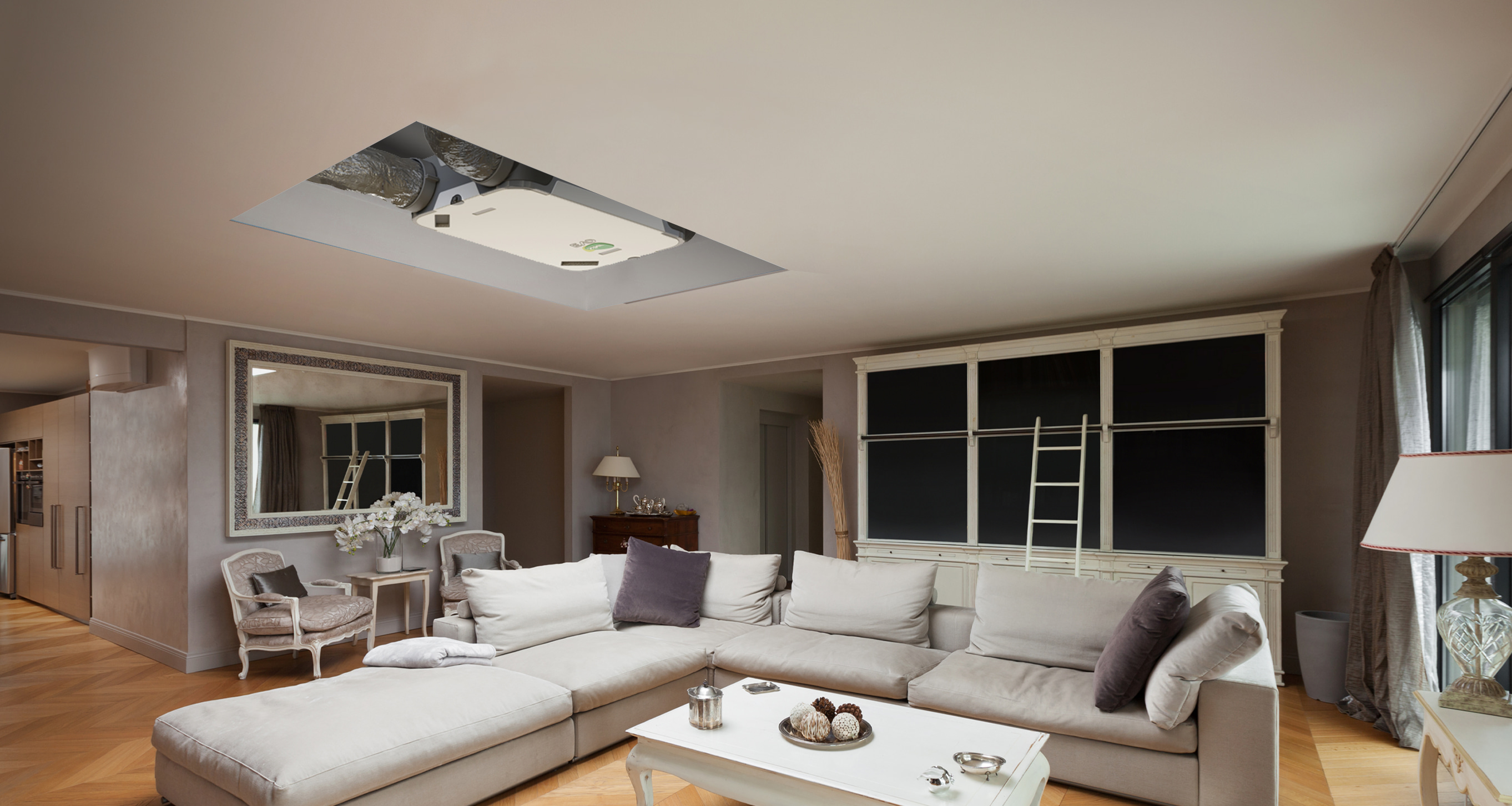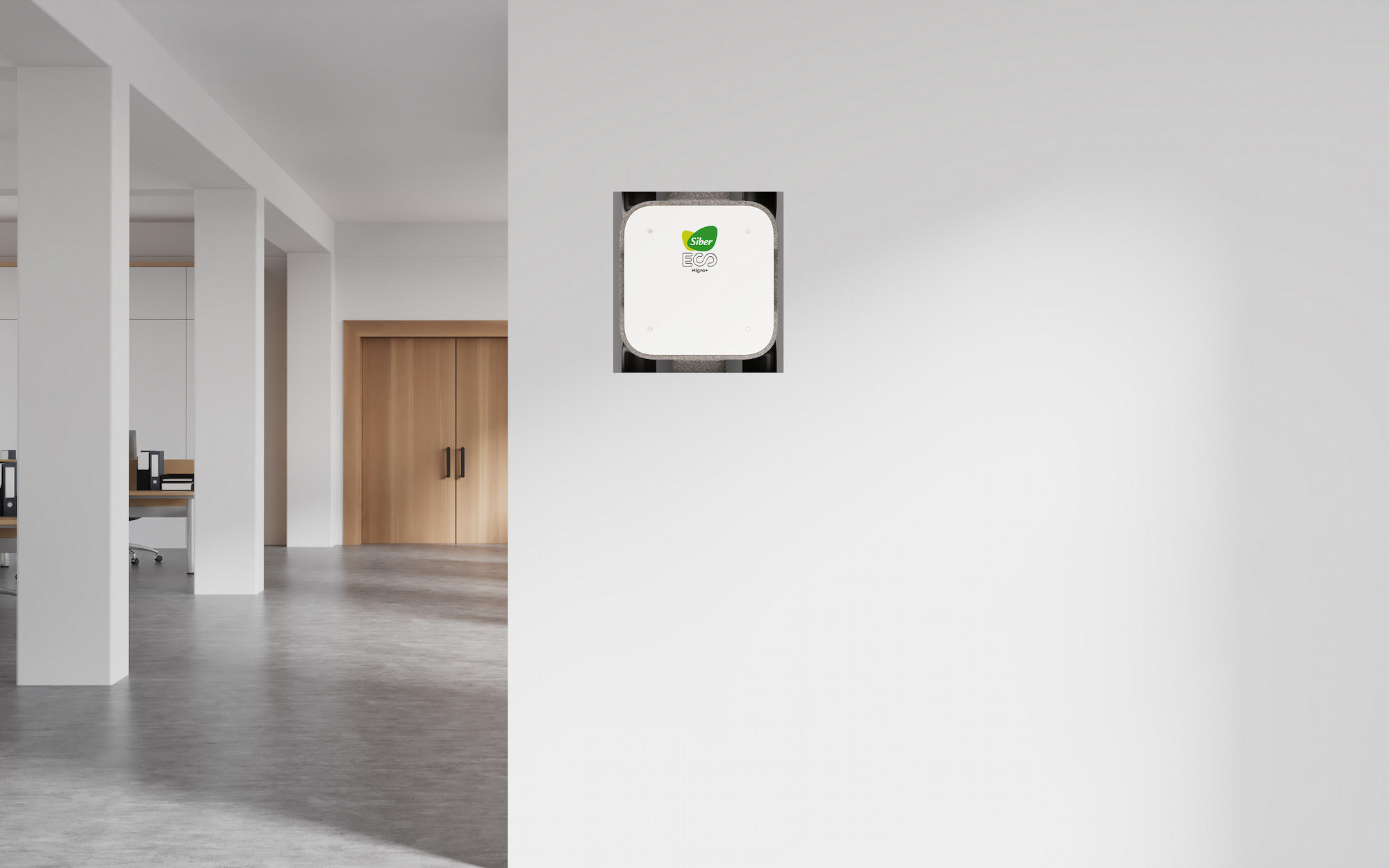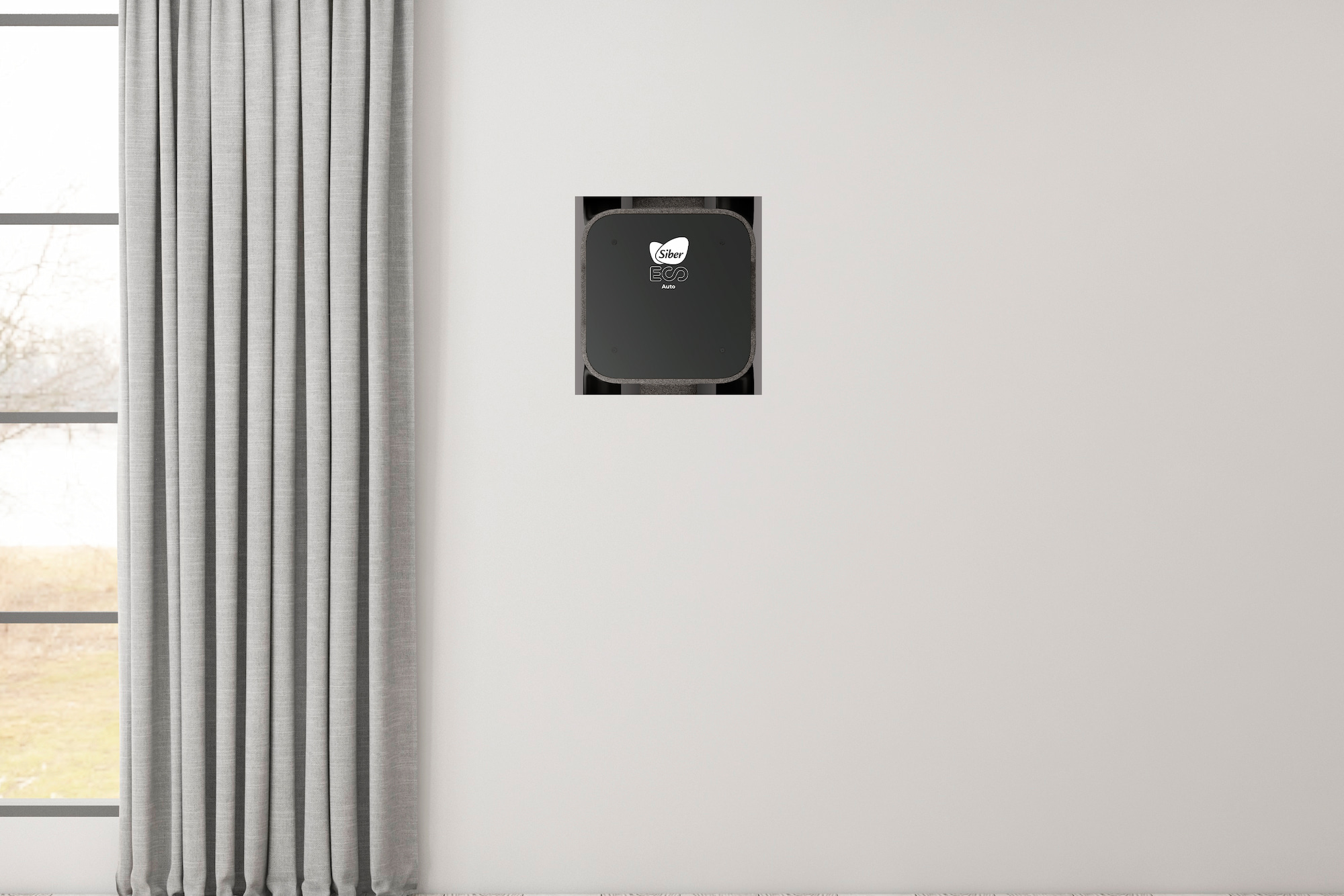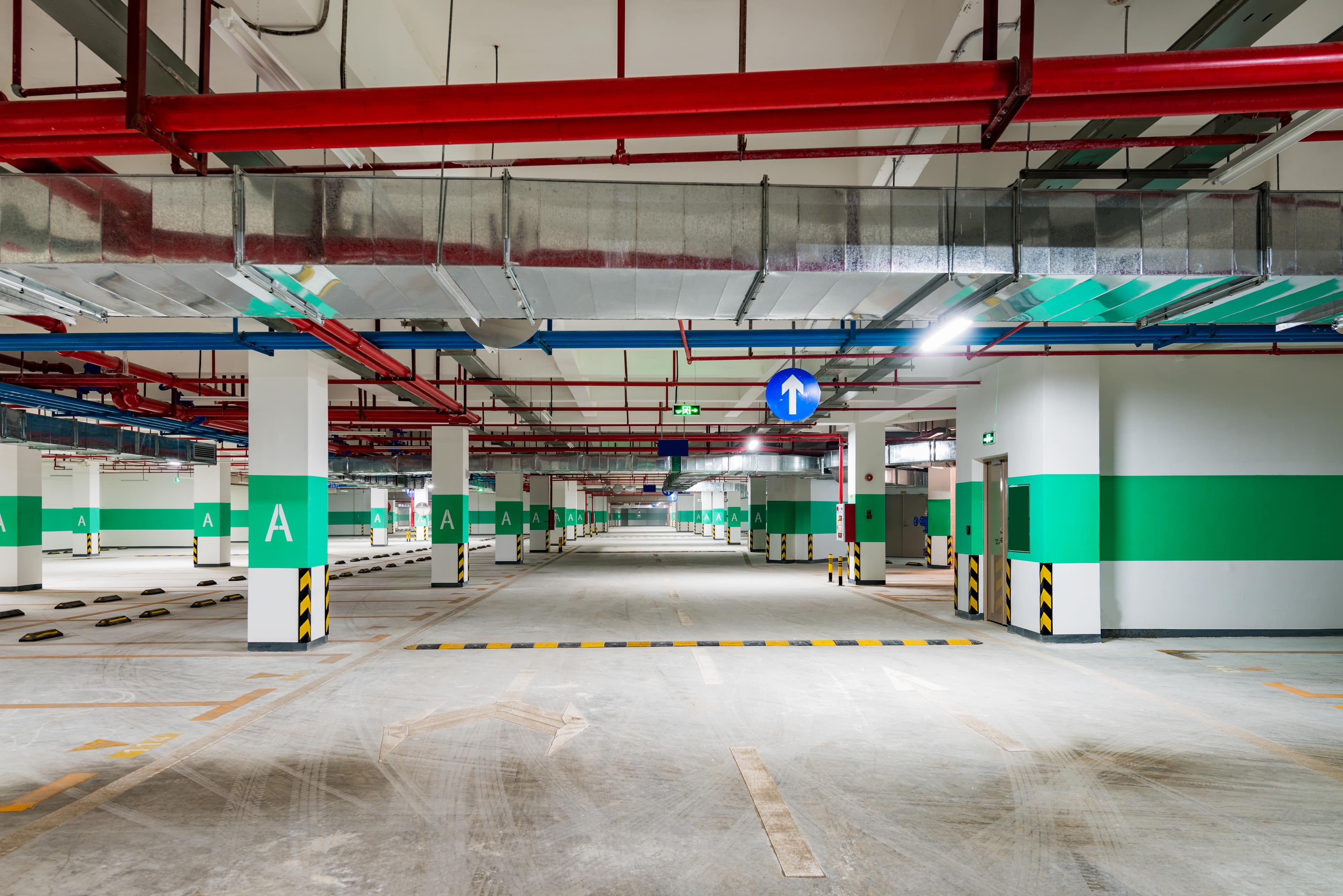


What is an air treatment unit?
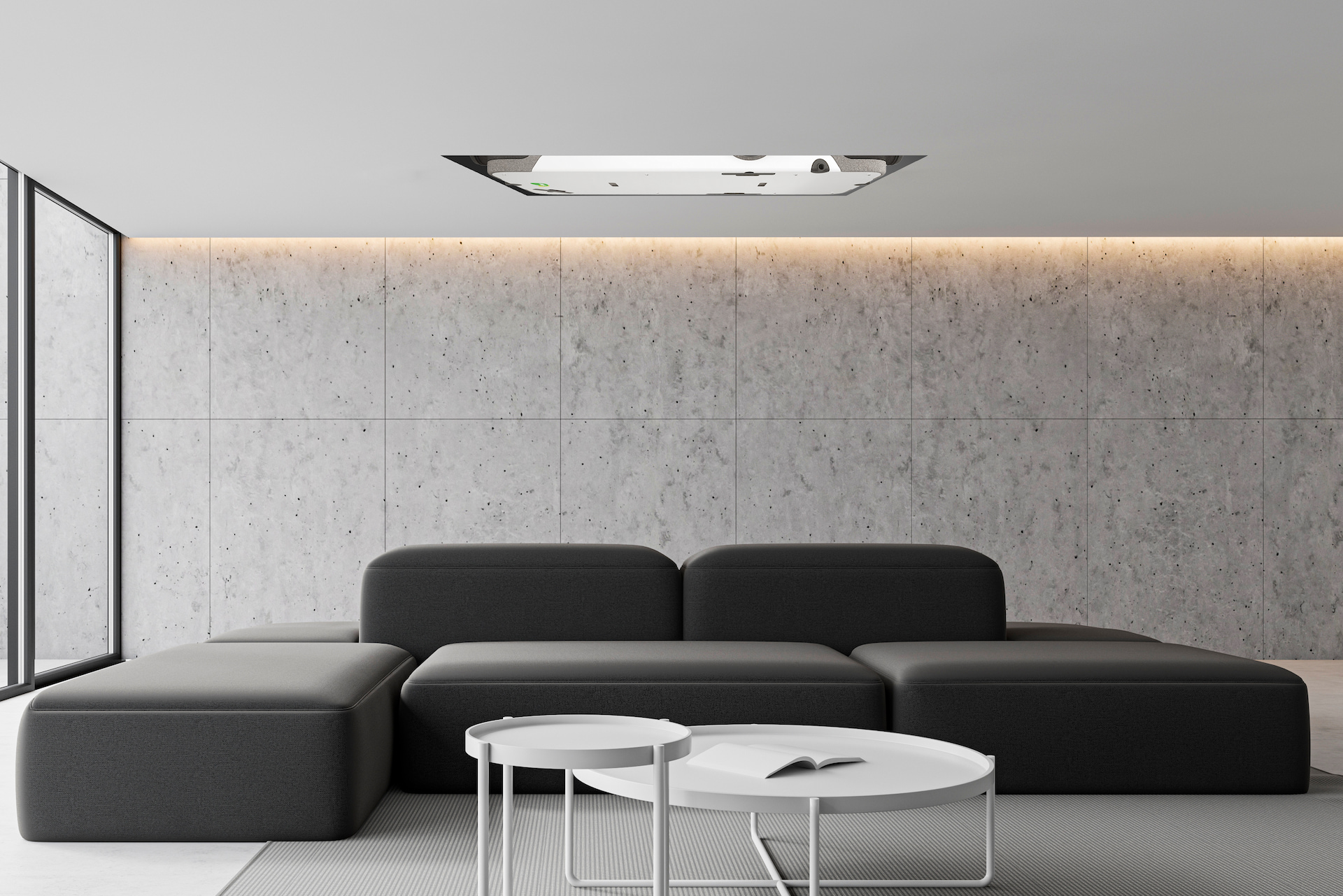
An air treatment unit (ATA) is an essential equipment to ensure the indoor air quality in residential, tertiary, and industrial buildings. Its main function is to condition the air, controlling temperature, humidity, and purity, ensuring a comfortable and healthy environment.

What is the operation of an ATA?
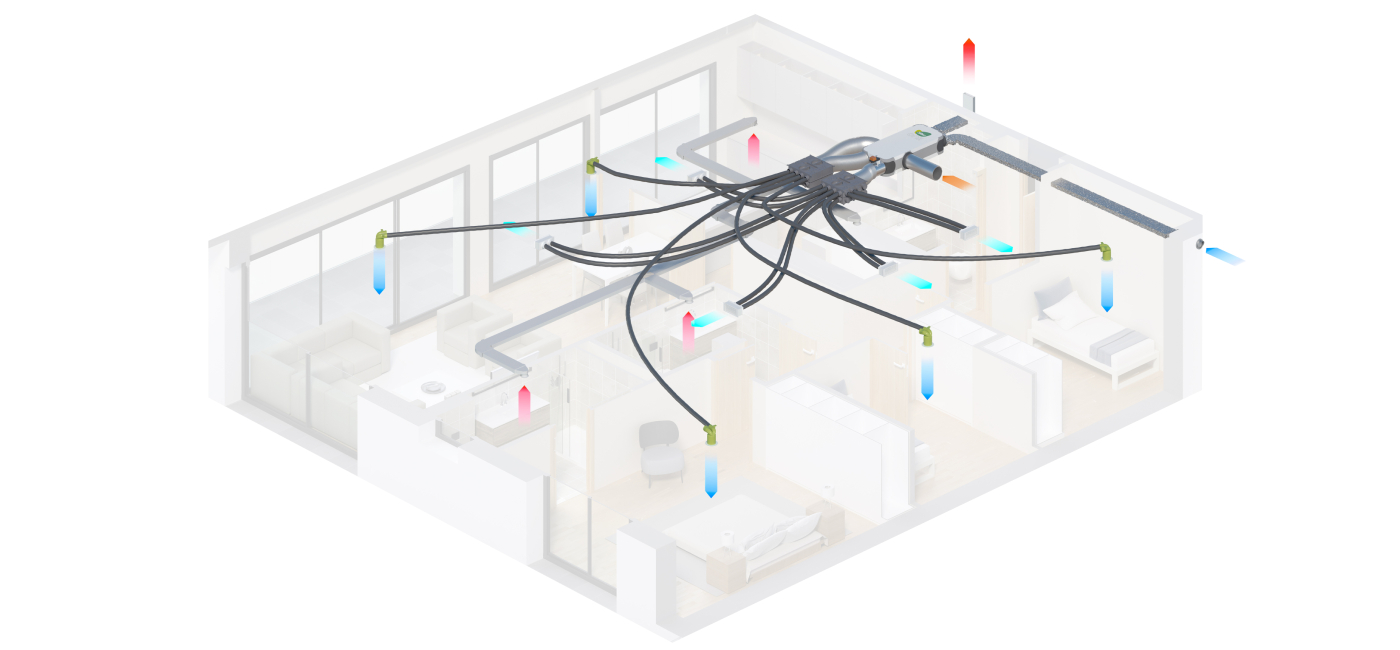
The air treatment units (ATA) carry out a comprehensive process that ensures clean, conditioned air distributed efficiently in any building. The operation consists of the following key stages:
- Air intake and filtration:
The ATA takes in outdoor air through grilles designed to prevent the entry of large particles and contaminants.
This air passes through a high-efficiency filter system that removes dust, pollen, and suspended particles, ensuring purer and healthier air from the start of the process.
- Thermal treatment:
Once filtered, the air passes through heat exchangers that regulate its temperature.
In winter, cold air is heated using systems such as thermal batteries or high-efficiency heat recoverers (up to 95%)
In summer, the air is cooled to maintain a comfortable indoor temperature. In addition, the ATA controls the humidity of the air, preventing excesses that may cause discomfort or structural problems.
- Distribution of treated air:
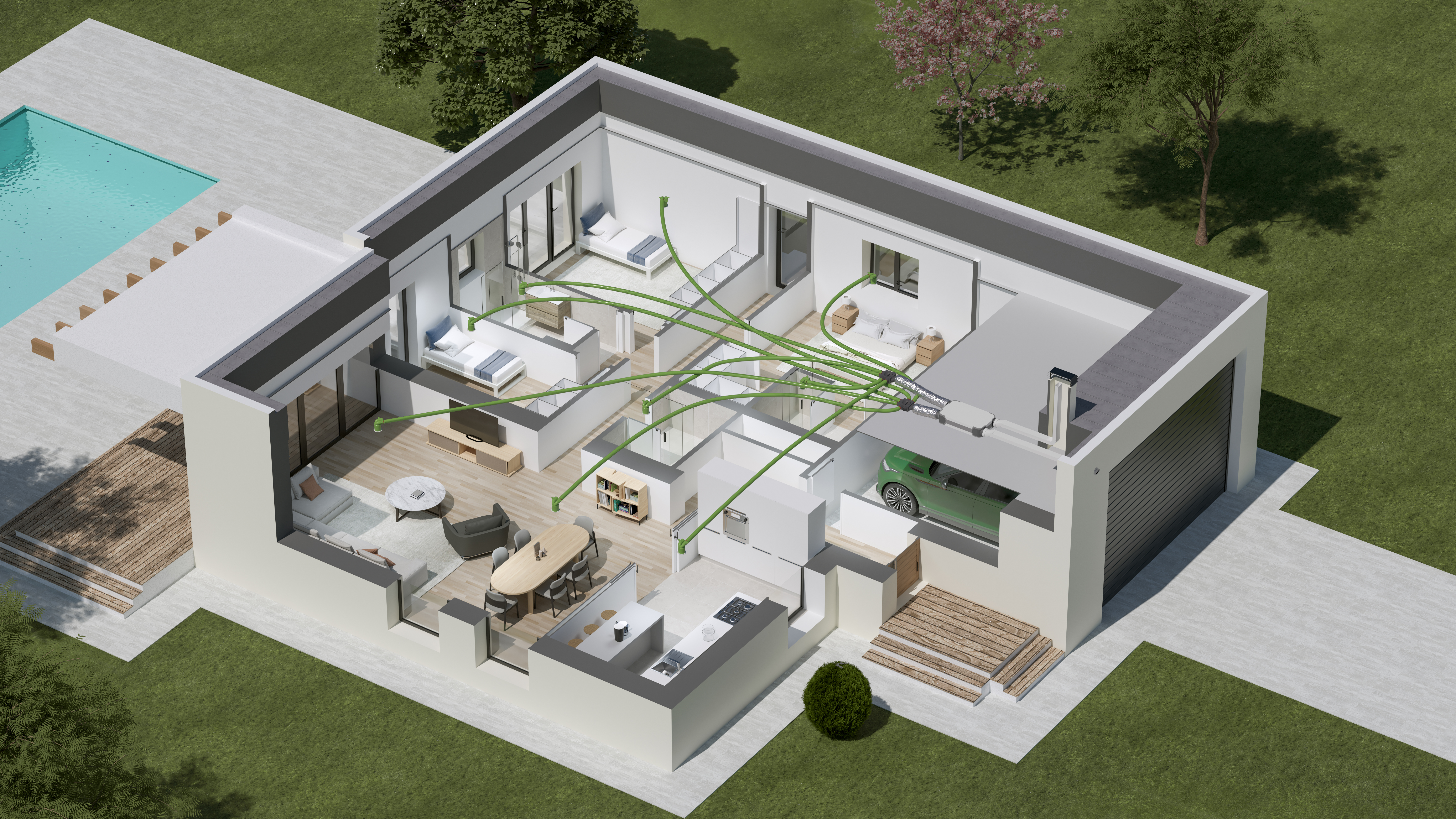
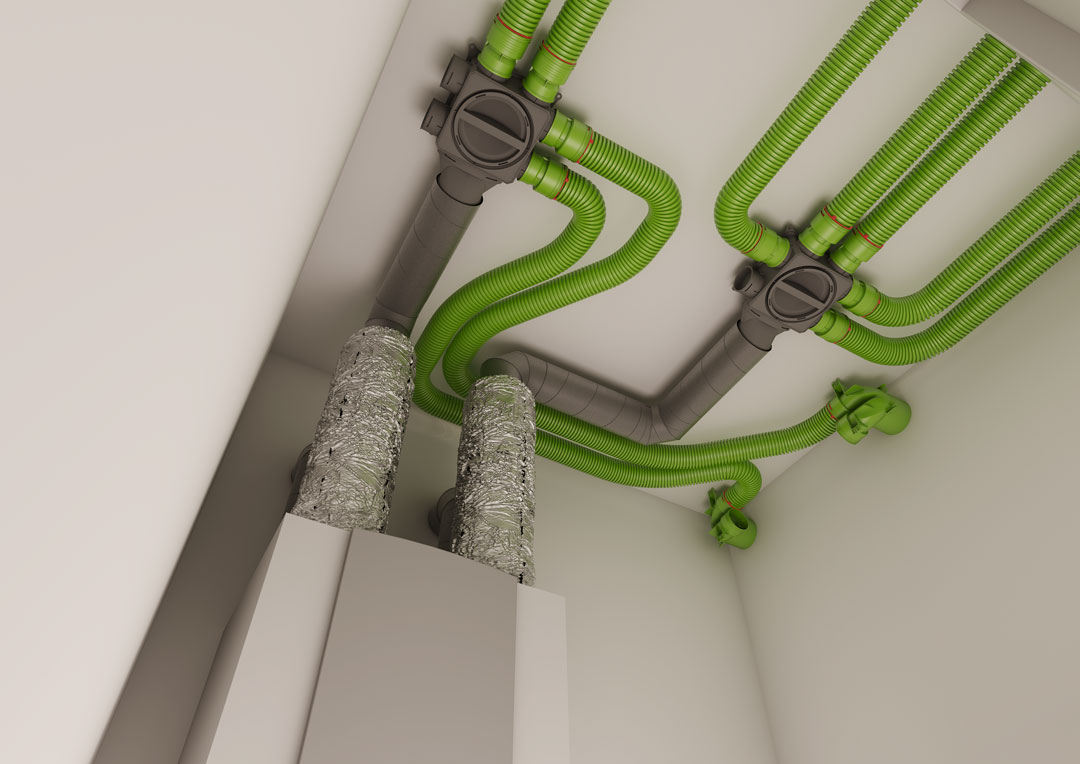
The conditioned air is pushed through a network of ducts strategically distributed throughout the building, ensuring that all areas receive a uniform flow.
The outlet grilles ensure balanced distribution, avoiding drafts and ensuring effective ventilation in each space.
- Extraction of stale air:
Simultaneously, the indoor air loaded with carbon dioxide, odors, and contaminants is extracted through an independent circuit.
This air passes through the heat exchanger to transfer its energy to the incoming air, maximizing energy efficiency before being expelled outside.
- Automation and intelligent control:
Modern ATAs, such as the ONE, are equipped with advanced control systems that automatically adjust temperature, humidity, and airflow according to environmental conditions and the specific needs of the building.
These systems can integrate with home automation applications to enable remote monitoring and adjustments.
Types of installations


Advantages of our equipment







First compact residential air treatment unit on the market

Equipment designed with cross flows composed of a high-performance counter-flow heat exchanger.

Does not need to meet refrigerant concentration regulations per room as it does not displace oxygen in case of a leak.

Compact and high-efficiency water battery for operation in cold and heat in Fan Coil mode.
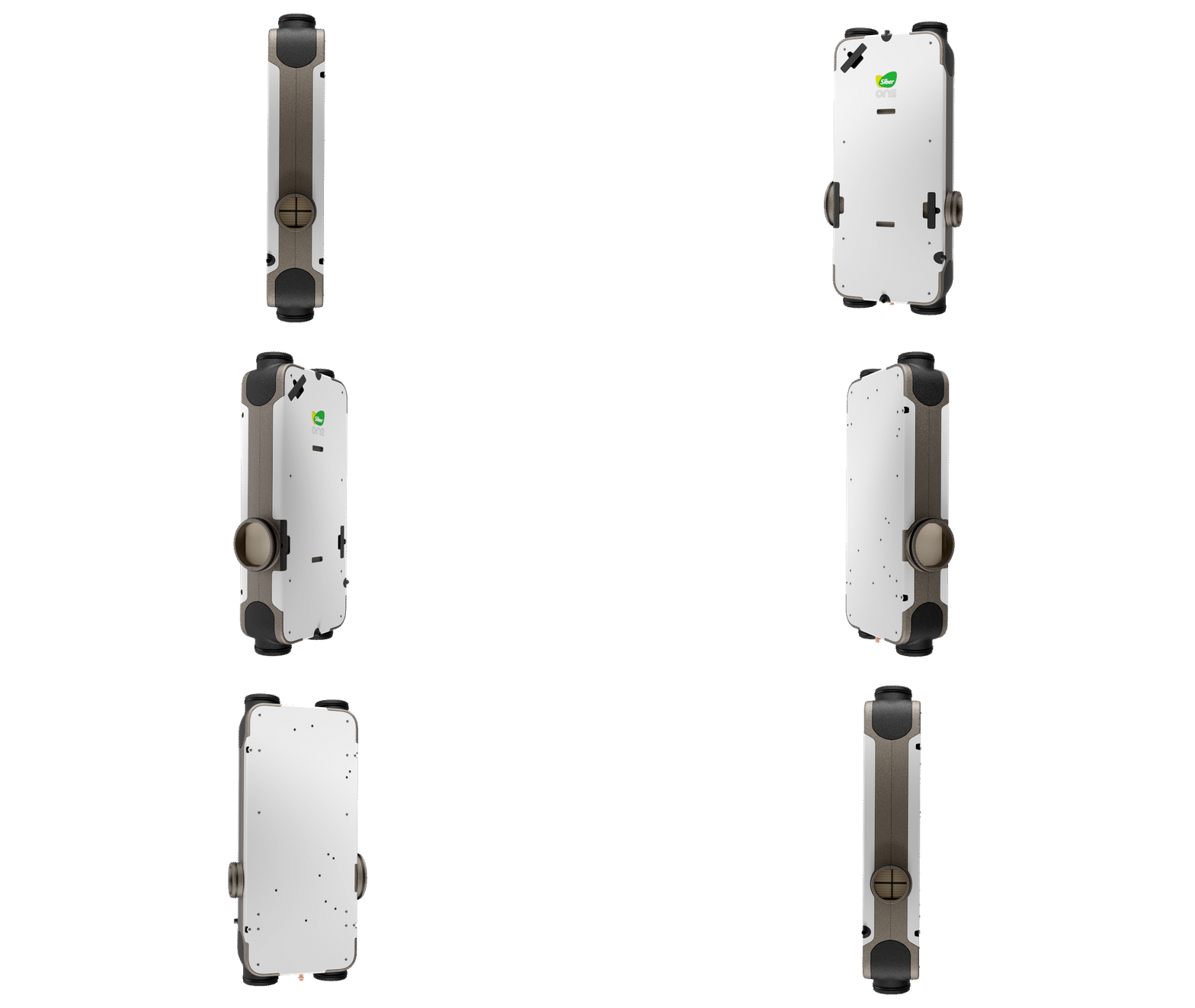

With 3 rotating drains that can be oriented to adapt to the installation.

Modularity in the connection in a quick and easy way.

Simple fixing with four anti-vibration hooks, mitigating possible vibrations to the structure.