
Workplace and optimal indoor air conditions
The National Institute for Safety and Health at Work (INSHT) provides citizens with the Technical Guide for the evaluation and prevention of risks related to the use of workplaces. It stipulates the minimum health and safety provisions required in your workplace, so that they do not endanger the safety and health of its occupants. Thus, the obligations of the employer regarding construction conditions; order, hygiene and maintenance; protection installations; lighting; areas designated for rest and first aid; and, of course, environmental conditions, that is, the quality of indoor air, to which employees are exposed, are established.
Indoor air quality: a matter of vital importance in your workplace
Here are some causes of poor indoor air quality:- Tightness of buildings and reduction of air renewal rates to achieve maximum energy efficiency.
- Use of synthetic materials.
- Insufficient quality of outdoor air.
Ensure that clean air circulates through your ventilation and air conditioning system
To control the substances that occupants generate as a result of normal use of the rooms and to avoid stale air and unpleasant odors, the workplace must be perfectly ventilated. Ventilation and air conditioning serve a dual purpose. On the one hand, they allow the environment to be pleasant and satisfactory for its occupants, ensuring fresh air free of pollutants; on the other hand, they provide thermal comfort.A clean and healthy air
To ensure that the air circulating through our ventilation and air conditioning system is clean and healthy, they must have filters. The filters are responsible for retaining particles from the air and protecting, in turn, the ventilation and air conditioning system, as they prevent the accumulation of dust on the units (so that the effectiveness of heat exchange is not affected). The filters also prevent the formation of microbiological contamination sources. An efficient ventilation and air conditioning system must take into account filter characteristics during its design process (particle retention capacity, pressure drop, and efficiency). In air conditioning systems, we must ensure that only clean and filtered air circulates through the heat exchange units.How to prevent a ventilation or air conditioning system from negatively affecting indoor air quality?
There are different factors that can contribute to the deterioration of indoor air in our workplaces, namely:- Insufficient ventilation. We must ensure that all rooms have adequate ventilation. For this, the ventilation system must be balanced (the system must be properly sized and calculated, and the number and size of diffusers and returns must be appropriate).
- Entry of pollutants. We must prevent the entry of external pollutants. To do this, we will place and orient the air intakes in those areas where the outside air is clean. Additionally, there will be controlled openings and air cleaning systems.
- Dispersion of pollutants. We must avoid the dispersion of pollutants into the air. To do this, unique systems will be avoided (each room must have its own ventilation) and air recirculation systems. Differences in pressures between rooms should also be taken into account.


Siber Ventilation
Manufacturer of High Energy Efficiency Ventilation Systems. Siber provides a set of high energy efficiency solutions in wind and mechanically intelligent ventilation, improving the Health, Hygiene, and Comfort of people, being respectful of the environment.
Related posts
clean air
air quality
bathroom
Health and comfort
fan
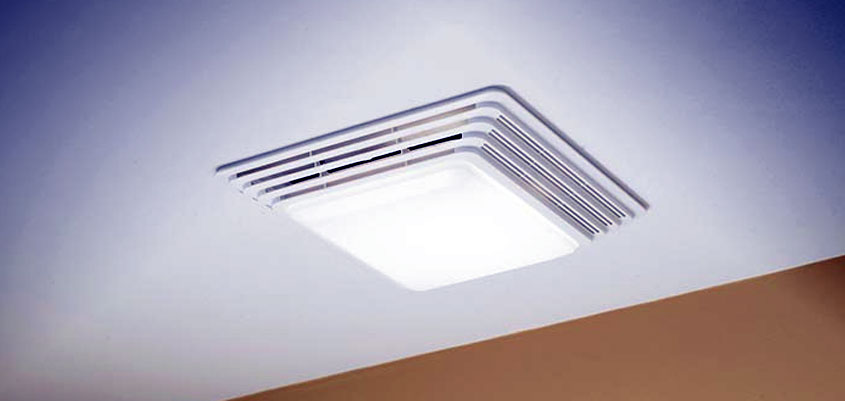
Bathroom fan to renew the air in humid rooms
The bathroom fan is essential for eliminating humidity and contaminated air in humid hygiene areas. We explain how it works.