Ventilation system filters: current regulations and uses
Air pollution is one of the major problems facing the world today and that is why, since the last century, combating this scourge has been on the agendas of governments in all developed countries. In the case of Spain, the country has pollution levels similar to those of other countries in its vicinity - very far from what happens in developing countries - although partly due to regulatory insistence to reduce the harmful effects of pollution. Regulatory efforts translate into improvements in mechanical ventilation systems, which also have mechanisms to prevent the entry of pollution, the most direct mechanism being the ventilation system filters.
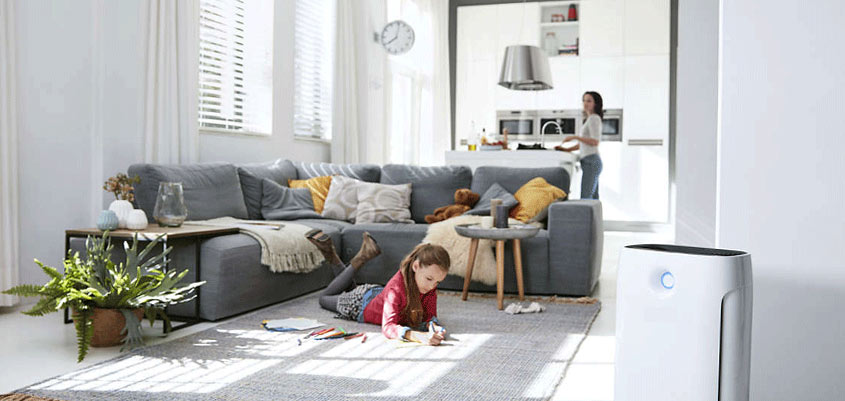
This type of element to stop the passage of harmful particles is within the category of air filters for air pollution. They are designed to protect us in the home, especially against harmful elements such as formaldehyde. With ventilation system filters, we can prevent the entry of contaminating agents, making it a great solution to ventilate the home in the most health-conscious way.
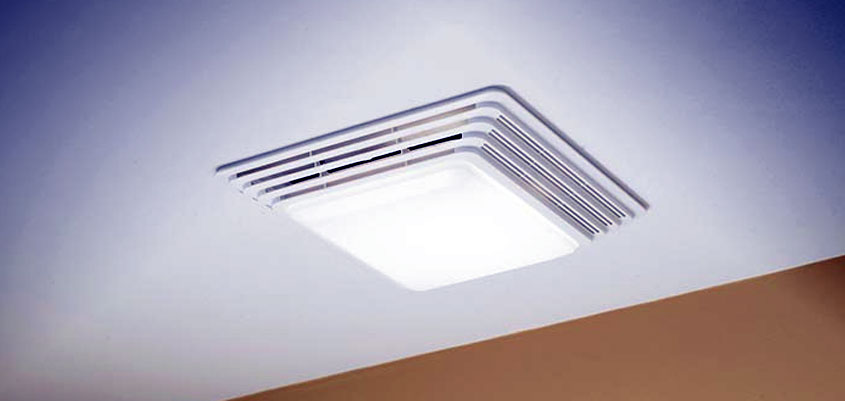
Mechanical ventilation systems incorporate filters to stop the entry of pollutants and monitor the healthiness of the air inside buildings.
And the ventilation system filters vary in effectiveness at retaining pollution. The choice must be made in a studied manner, as the greater the effectiveness of the air filter, the lower the ventilation and air passage. Likewise, each filter has a differentiated effectiveness for each size of contaminating particles that they must stop.
It is important to know which types of contaminants affect the place where the mechanical ventilation system will be installed, so we can correctly choose the air filter we need.
Regulation of ventilation system filters
Each country has a regulatory standard for ventilation system filters and, as we said, it will always vary depending on where the system is to be installed. It is not the same in the city as in rural areas.
Internationally, the EPA standard from the United States Environmental Protection Agency is highly regarded, providing values that are often used as references worldwide. The EPA provides a roadmap to define the quality of outdoor air and, thereafter, see what type of ventilation and filters will be necessary in a home.
For the American agency, primary standards must be taken into account first. These set limits to protect public health, considering the healthiness of children and the elderly.
Following that, there are secondary standards that measure less important needs, but which must also be considered. According to the EPA, ventilation system filters and mechanical systems must also provide protection for animals, crops, vegetation, and buildings. They must also protect against reductions in visibility.
In Spain, regulation is covered by the regulations of Royal Decrees 1494/95, 1073/2002, and RD102/2011, which establish rules to protect health.
These decrees provide a series of keys against primary contaminants:
- Carbon monoxide: the limit is set at 10mg/m3 over an average of eight hours.
- Nitrogen dioxide: the limit is 200 ng/m3 of NO to NO2 that can not be exceeded more than 18 times per hour in a year.
- Sulfur dioxide: the limit is 350 ng/m3 that can not be exceeded more than 24 times per hour in a year.
- Hydrocarbons: the limit is 5 ng/m3 in a year.
To sidestep and combat the negative effects of the main air pollutants, having a mechanical ventilation system with the appropriate filters is essential. This element should not be overlooked, and the type of filter to be used must be calculated based on the outdoor air and the pollution it contains. It will not be the same in an office building in the center of a capital than the needs of a rural house.
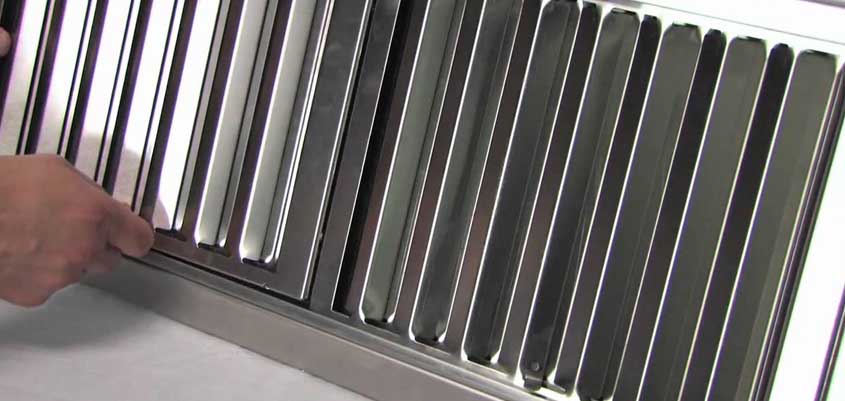
There are ventilation system filters made from different materials. For example, there are activated carbon filters, electrostatic filters, and active polarization lamps. These allow for the retention of gaseous particles. Installing one of these filters directly affects the levels of pollution entering the home, causing a notable reduction.
These ventilation system filters must be installed in the air capture and introduction systems; it is an instant way to improve the healthiness of the individuals living in a home or space. Choosing the right one will make the use of our mechanical ventilation systems more efficient.

Siber Ventilation
Related posts

Why is mechanical ventilation necessary in homes?