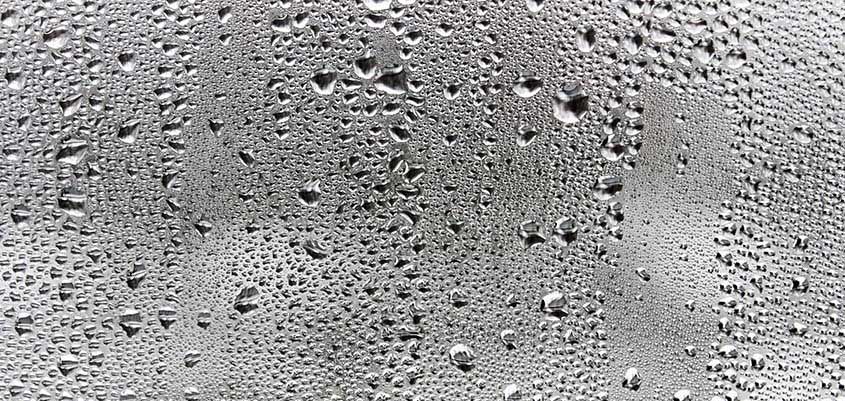
Recommendations to improve humidity in the home
Too often, when it comes to energy efficiency, we focus on saving energy needs. Or on implementing measures that achieve better airflow and ventilation, maximizing every condition. But sometimes a key factor in our homes is forgotten, which is the air quality we breathe, which is part of home comfort. And controlling the humidity in the home is key to this. Something that directly influences our quality of life.
Normally, the problem in our country is related to a high level of humidity. The problems that can arise from excessive humidity in the air are:
Some symptoms that give us clues about the presence of humidity in our home are:
- Increases in temperature.
- Increased sweating in summer.
- Strong odors.
- Presence of mold, especially on ceilings and walls.
- Rusty metals and corroded plastics, in extreme cases even sticky.
- Humidity can cause respiratory problems.
To measure the humidity in the home or in other closed spaces, a hygrometer is ideal, a device that is usually quite cheap. However, before starting to measure the humidity, it should be remembered that basements are where most humidity concentrates, along with kitchens, sinks, and rooms where the washing machine is stored. The rooms and spaces that we have nearby will be affected by this.
Humidity in the home, lack or low?

The humidity problems usually arise from an excess of it. However, very low humidity is also not beneficial. How do they differ?
- Low humidity makes the rooms dry. This can affect all the problems caused by dryness, such as having a dry throat or a blocked nose, as well as dry skin, and it is even easier to catch a cold. It affects our furniture, including wooden floors and even pianos. Humidifiers are a good solution for this.
- We have previously discussed what problems high humidity can cause. It is very important to keep it in check, especially in energy-efficient environments. Why? Basically because where we focus on taking advantage of every source of heat or ventilation, some humidity issue may arise.
What can we do to improve humidity problems in our homes?
- Open the windows. It may seem like a cliché, but nothing is better for combating humidity and closed spaces than letting in fresh air. Just keep in mind that it does not mean you should keep the windows open all day. And you should know how the outside air affects your ventilation system. This simple and classic method also combats the proliferation of dust mites and bacteria.
- Humidity becomes more evident with increases in temperature. Therefore, in winter, avoid heating above 19-21 degrees. This would cause an undesired increase in humidity.
- Wash clothes outside. If you have the option to place the washing machine in an outdoor space, whether it is a covered terrace or a garage, you will avoid increases in humidity. It is also more important not to dry clothes indoors, especially where you live.
- Avoid having plants indoors and get a dehumidifier. These devices also combat mold in the home. In sinks, get a bathroom extractor. And in kitchens, try to avoid steam.
- Never hide humidity. If you cover stains by placing furniture or with other decorative methods, what you will cause is to increase the problem.


Siber Ventilation
Related posts
Air Purifiers: Functioning and Possibilities in Our Home
Bathroom fan to renew the air in humid rooms