Contaminants that generate stale air and how to eliminate them
If when you are at home you feel dryness, irritated mucous membranes, or fatigue, you may be suffering from the symptoms caused by the well-known sick building syndrome. This is a pathology defined by the World Health Organization that takes into account that homes and office spaces can also get sick and generate a harmful environment for those who inhabit them. The most common damage in sick buildings is caused by the contaminants that generate stale air, which can infiltrate these damaged houses.
The stale air represents the situation where the air we breathe indoors has been contaminated and has not been extracted or renewed. When that air stays in the environment for a sufficient amount of time without moving outdoors and settles inside our homes, it can become harmful to health.
The symptoms we experience and that can determine if we live in an environment with stale air are practically the same as those of sick buildings. Normally, we tend to notice it by an excess of fatigue and discomfort, or by physical tiredness and dryness in the throat. Also, by irritation of the mucous membranes and other respiratory problems. These ailments usually appear due to:
- A notable air contamination.
- A loaded environment with the use of sprays and vaporizers.
- An excess of artificial light or computers.
- Poor air circulation.
- Poor air conditioning.
- A high presence of chemicals.
Know the contaminants that generate stale air
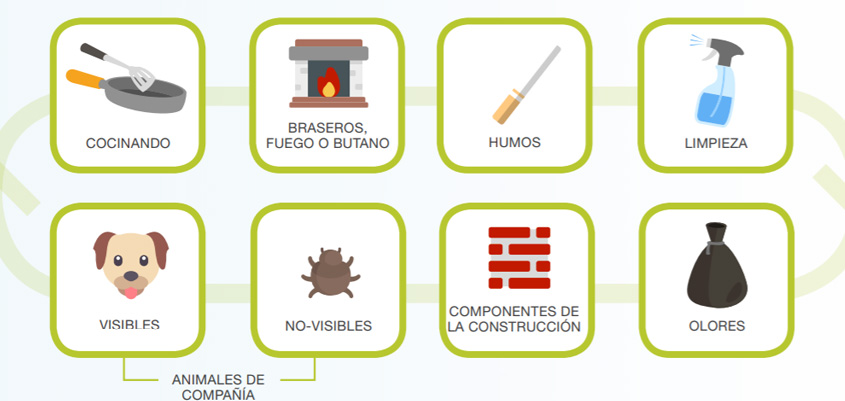
As we have mentioned, stale air is usually generated by poor air renewal in environments where different contaminating agents are present. The positive aspect is that, in many cases, stale air can often be detected simply by its smell. Even in some situations, it is easy to detect visually.The main contaminants that generate stale air are the following:
- Gases and other residues generated in the kitchen. When preparing our food, we burn oils and other elements, which generates contamination that is often visible. The combustion we produce at home when cooking is something we must manage to prevent it from generating stale air. How can we solve this situation? Besides airing out the rooms, the best way to avoid the spread of these contaminants is the proper use of a range hood for your kitchen. It is important that it is in good condition and also that it suits the dimensions of your cooking appliances.
- Heaters, fire stoves, or butane. Being elements in full combustion, they generate residues at a high rate that affect air quality. They are one of the main contaminants that generate stale air when used excessively. They have an added problem: if they are in poor condition, they can be responsible for carbon monoxide poisoning. The solution is to switch to another heating system or at least check them periodically.
- Smoke. Of course, one of the common contaminants is smoke and carbon dioxide. In the case of stale air produced indoors, it usually comes from tobacco. Therefore, it is most advisable not to smoke indoors or to install extraction systems.
- Cleaning products. The use of chemicals is another of the greatest contributors to indoor air pollution. Whenever they are used, it is necessary to ventilate the room.
- Pets. Their daily activity can increase the contamination of indoor air, so it is necessary to keep them clean and groomed. Also, with all vaccinations up to date.
- Insects are another generator of stale air. Even some that are less visible, such as bedbugs, can be detected by the strong odor they produce. For health reasons, it is important to eliminate insects in the house, preferably through a thorough cleaning and not through the use of chemicals and sprays, unless absolutely necessary.
- If we are doing renovations at home, we must take into account that it will excessively worsen air quality. It is important to ventilate well during renovations and also afterward.
- Trash is another of the contaminants that generate stale air. It is important to eliminate it whenever possible, and even avoid keeping it in poorly ventilated places.

Siber Ventilation
Related posts
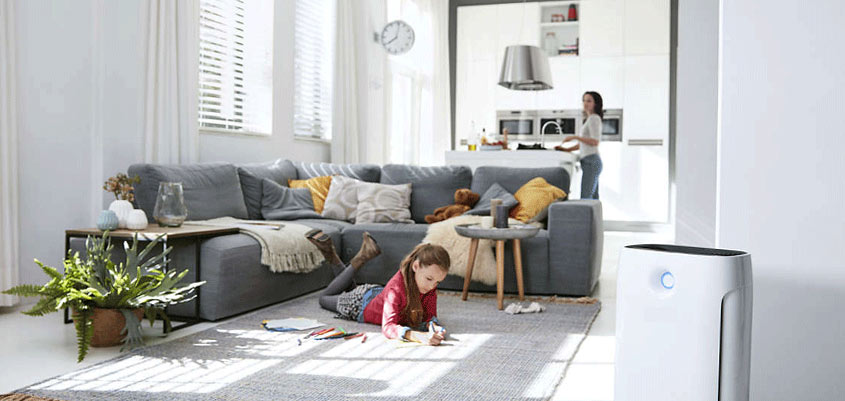
Air Purifiers: Functioning and Possibilities in Our Home
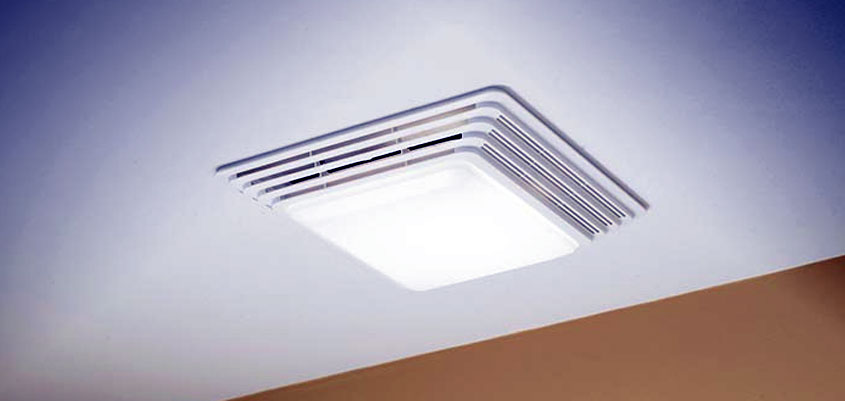
Bathroom fan to renew the air in humid rooms