BIM: The digitization in the construction sector
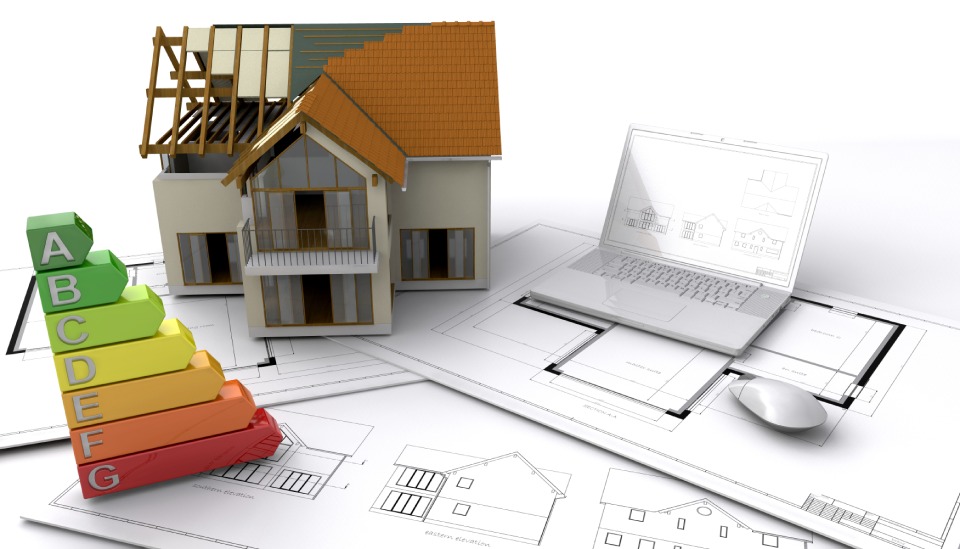
Digitizing a project is a necessity for those looking to reduce time and costs in a construction. The BIM methodology is a win-win for all parties involved, helping the client visualize the result, providing a global vision and a complete understanding of the project, helping all the professionals who work on it and increasing their satisfaction.
By integrating Building Information Modeling, your project will gain value by becoming digital, and it will be possible to optimize each element in each phase to meet the objectives set from the beginning.
To achieve this, there are several tools that assist in the creation and development of these projects, all aimed at facilitating the work of each of the professionals involved in the construction.
How to integrate the BIM methodology into your project
To integrate the BIM methodology into your project, multiple programs can be used to achieve the desired objectives. Among them, we can find the servers Revit or ArchiCad, and the viewers Solibri or Tekla BIMsight.Thanks to these programs, professionals such as architects or engineers can optimize design and increase the asset's value, making decisions that improve economic and ecological conditions from the beginning of the project until its completion.
Applications like Scan To Bim help professionals digitally capture a physical space from multiple points to create a 3D model. It is mainly applied for renovation, conservation, or extension work of the current building, and thanks to its use in scanning and modeling tasks, significant savings are achieved in the medium and long term.
However, if you want to integrate the BIM methodology in its entirety, the software Navisworks is one of the most useful tools for visualizing projects in 3D, integrating point clouds, 4D and 5D, with multiple measurement tools and clash detection. Navisworks has become indispensable in the development of building projects as it offers a wide range of possibilities to optimize the operation of each building.
BIM Objective Standardization
The objectives and benefits achieved with the BIM methodology are various, which must be standardized to properly integrate and use this methodology. They are primarily established in 5 different blocks, which significantly facilitate the development of a project.- Collection: the information collected must be represented and quantified, identifying the state and performance of the building elements.
- Generation: the needs of each element, where it is located, and its magnitude in the building must be generated.
- Analysis: the information generated must be predicted, verified, and checked, performing a thorough analysis for a proper understanding.
- Communication: all the information generated about the building must be communicated so that it can be understood by anyone working on the project.
- Materialization: the acquired and analyzed information must be used to generate all the elements that integrate the system.

Siber Ventilation
Related posts