O que é a humidade específica e como afeta o seu bem-estar
Uma taxa de humidade inadequada, tanto por excesso como por defeito, pode colocar em risco a saúde dos seus. Existem três tipos de humidade: a humidade absoluta, a humidade específica e a humidade relativa. A primeira refere-se à quantidade de vapor de água por unidade de volume de ar ambiente. A segunda, também à quantidade de vapor de água que contém o ar, mas em vez de ser medida em gramas por metro cúbico (como a humidade absoluta), é medida em gramas por quilo de ar seco. A humidade relativa refere-se à quantidade de vapor de água que contém o ar em comparação com a quantidade máxima que pode conter sem variar a sua temperatura.
Problemas decorrentes de uma taxa de humidade inadequada
Seja qual for o método para valorar a quantidade de vapor de água que contém o ar, se quisermos garantir o máximo conforto e não influir negativamente no equilíbrio térmico do nosso corpo, é de suma importância controlar este parâmetro ambiental.Exceto em recintos onde existe perigo por eletricidade estática, recomenda-se que a taxa de humidade se situe entre 30 e 70%. Tal como apontamos anteriormente, tanto uma humidade demasiado baixa como uma demasiado alta pode colocar em risco a nossa saúde.
Humidade baixa
Uma taxa de humidade abaixo de 30% resseca as mucosas e a epiderme, e irrita os olhos e as vias respiratórias. Além disso, não favorece a eliminação da eletricidade estática.Humidade elevada
Uma taxa de humidade acima de 70% favorece o aparecimento de fungos e ácaros do pó, aumentando assim o risco de alergias, asma e demais problemas respiratórios. Por outro lado, dificulta a dissipação da sudorese, o que resulta na eliminação de menos calor do nosso corpo e aumenta o desconforto térmico.Uma taxa acima de 70% não afeta apenas a saúde dos ocupantes, como também pode causar sérios danos na nossa habitação, pois favorece a emissão de substâncias contaminantes de certos materiais (formaldeído) e a corrosão dos mesmos.
Não abusar da calefação
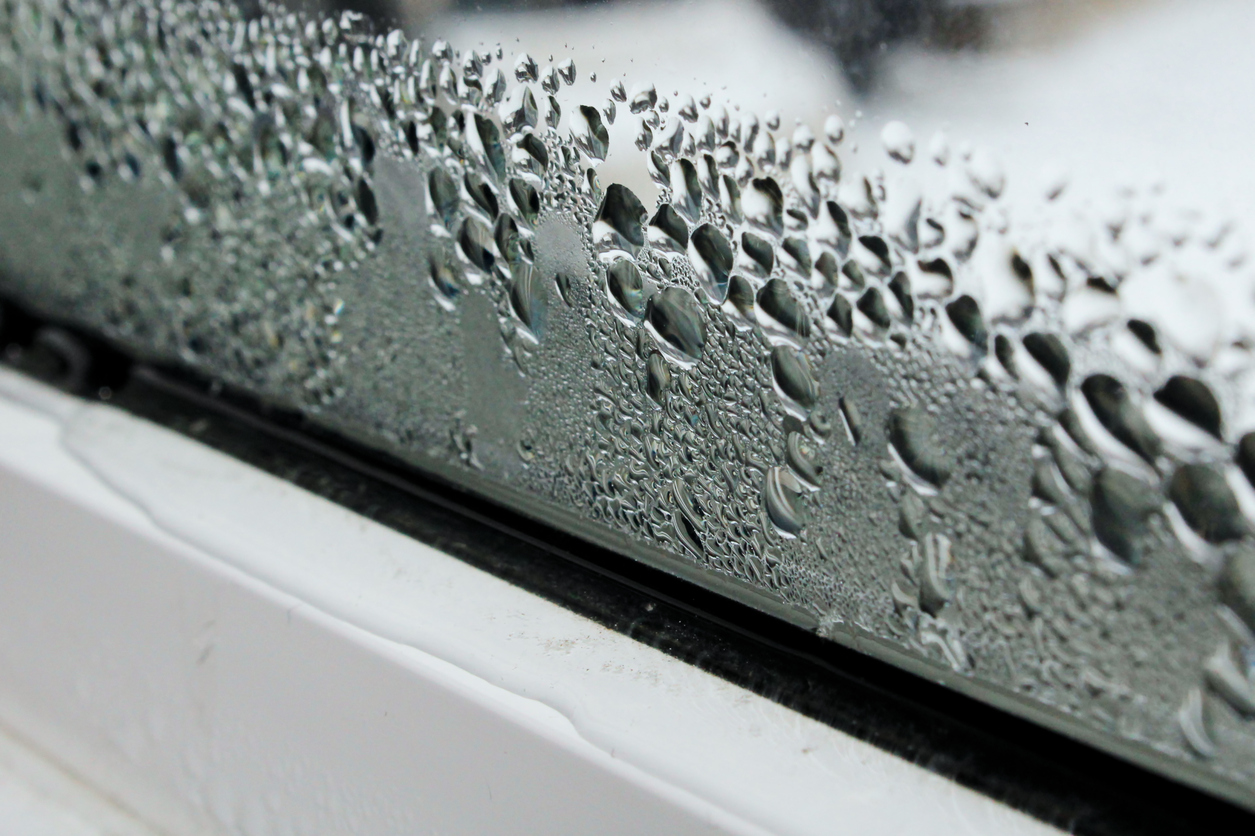
Tendo em conta que a humidade do ambiente é reduzida quando aumentamos a temperatura do ar (e vice-versa), devem-se tomar precauções ao utilizar os sistemas tradicionais de calefação, pois o seu abuso pode secar o ar abaixo do nível recomendado. O problema agrava-se quando a exposição a estes sistemas de calefação se prolonga durante horas. Por outro lado, se não forem controlados os pontes térmicos da envolvente, um excesso de temperatura no interior pode originar condensação de vapor de água nas superfícies frias.Controle a humidade com um sistema de ventilação eficiente
A melhor medida de prevenção para evitar os problemas decorrentes de uma taxa inadequada de humidade é proporcionar aos nossos lares um caudal de ventilação suficiente que garanta a renovação do ar. Por efeito de varredura, será extraído o ar viciado do interior e proporcionaremos um ar fresco, limpo e livre de impurezas. Se, além disso, instalarmos sistemas de ventilação mecânica controlada com dispositivos inteligentes (bocas higrorreguláveis e sondas que ajustem a humidade do ar insuflado à do ar interior) garantiremos ambientes interiores com uma taxa de humidade dentro dos parâmetros recomendáveis.

Siber Ventilação