





Sensor de humedad, tu aliado para combatir el vapor de agua en el aire
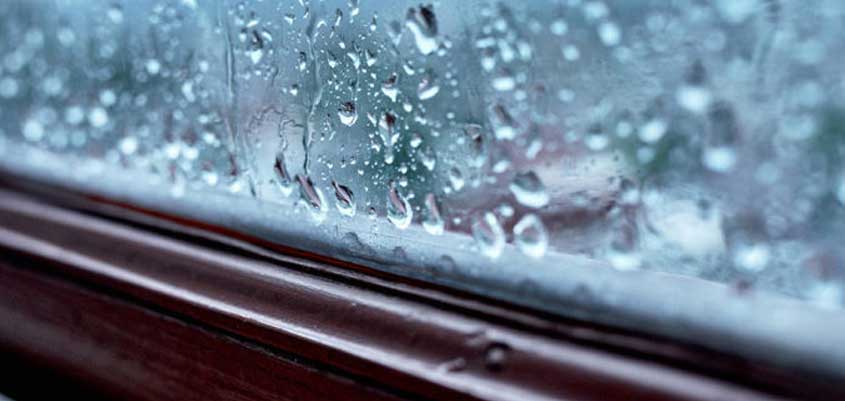
Se acercan las bajas temperaturas y con ello el riesgo de contraer más enfermedades. Pero no solo el frío en exteriores puede ser el causante de resfriados o complicaciones pulmonares, sino que dentro de nuestros hogares también podemos vivir una situación de riesgo. Sobre todo, en viviendas antiguas y con escasa renovación del aire, en las cuales la humedad en invierno puede convertirse en un grave problema. Para controlar este problema, disponemos del sensor de humedad utilizado en medidores y sistemas de renovación del aire, que podríamos decir que es la manera más práctica de saber si tenemos un exceso de vapor de agua en el aire de casa.
Para medir la humedad en el hogar, si bien existen métodos caseros, lo más práctico y recomendable es usar un aparato equipado con un sensor de humedad, que nos dirá el porcentaje de vapor de agua que se encuentra en el ambiente. Dichos sensores pueden montarse en un medidor de humedad casero o en sistemas de ventilación mecánicos para controlar cuándo ha de eliminarse la humedad. Los incluidos en los medidores suelen ser bastante más sencillos, y encontramos diferentes tipos. Desde los más comunes hasta los muy profesionales. Y pueden utilizarse tanto en viviendas o estancias individuales como en grandes edificios.
 En términos generales, el sensor de humedad es un lector que, además del vapor de agua, suele calcular la temperatura. Las magnitudes que mide se transforman en una señal eléctrica normalizada, cuya intensidad suele estar comprendida entre 4 y 20 mA. Y son muy precisos en la lectura de la cantidad de vapor de agua, por lo que son esenciales para los sistemas de ventilación mecánicos higrorregulables y los de doble flujo.
¿Qué tipos de sensores de humedad podemos encontrar a nivel general en su funcionamiento?
- Sensores mecánicos. Hacen uso de los cambios de dimensiones de algunos materiales en contacto con la humedad, como son las fibras orgánicas.
- Sensores de sales higroscópicas. Obtienen el valor de la humedad en el ambiente gracias a una molécula con gran afinidad con el agua.
- Sensores de conductividad. El agua es conductora de corriente, así que pasa por unos finos filamentos que deducen el valor de la humedad.
- Sensores capacitivos. Determinan la humedad gracias al cambio de capacidad de un condensador.
- Sensores resistivos. Utilizan un principio de conductividad de la tierra. Cuanta más agua se encuentra en la muestra, más alta es la conductividad de la tierra.
- Sensores por infrarrojos. Absorben la radiación contenida en el vapor de agua mediante dos fuentes infrarrojas.
El sensor de humedad en los medidores
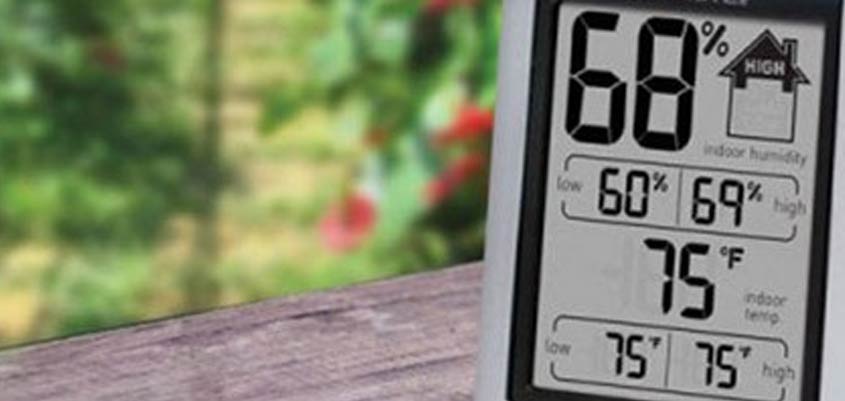
Uno de los mecanismos más conocidos del sensor de humedad es su presencia en los medidores de humedad, los mejores aliados en el hogar para detectar si tenemos un exceso de vapor de agua en el ambiente. Y también para poder corregir dichos problemas.
Los problemas recurrentes que puede acarrear una humedad elevada en las personas son:
- Infecciones respiratorias.
- Problemas de asma.
- Alergias.
- Agravamiento de las enfermedades reumáticas.
- Dolor de huesos.
- Malos olores.
- Incomodidad en el hogar.
- Defectos en los techos y paredes de las estancias.
- Deterioramiento del mobiliario y de otros equipamientos del hogar.
La humedad en el ambiente no ha de superar el 55%, y tampoco estar por debajo del 25%. Para controlarla, existen medidores que incorporan un sensor de humedad para poder leer la humedad. Son conocidos como higrómetros y suelen ser:
- Higrómetros analógicos. Cuentan con una rueda al estilo de un reloj analógico donde se marcan los valores de humedad. Tienen un margen de error del 10%, pero son baratos y fáciles de usar.
- Higrómetros digitales. Pueden ofrecer los valores de humedad relativa con un sensor eléctrico que se ve afectado por la humedad. Son más específicos que los analógicos, si bien también tienen un margen de error del 5% arriba o abajo.


Siber Ventilación
Entradas relacionadas