Os extratores eólicos. Fundamentos e evolução da energia eólica

superadmin
March 28, 2017
Os extratores eólicos
O sistema de ventilação eólica é um sistema de ventilação mecânica que opera através da utilização de extratores eólicos que funcionam com a energia do vento graças ao efeito do diferencial de temperatura existente entre o exterior e o interior de uma cobertura. Desta forma obtém-se um processo contínuo de ventilação onde o extrator eólico succiona o ar quente acumulado sob a cobertura para o exterior. Este volume de ar extraído é compensado de forma natural através da entrada de ar mais frio pelas janelas localizadas nos níveis inferiores da edificação. A circulação do ar garante uma boa ventilação do interior dos recintos, facilitando a eliminação de contaminantes, humidade ou o vapor acumulado no interior.A energia eólica. Fundamentos e evolução
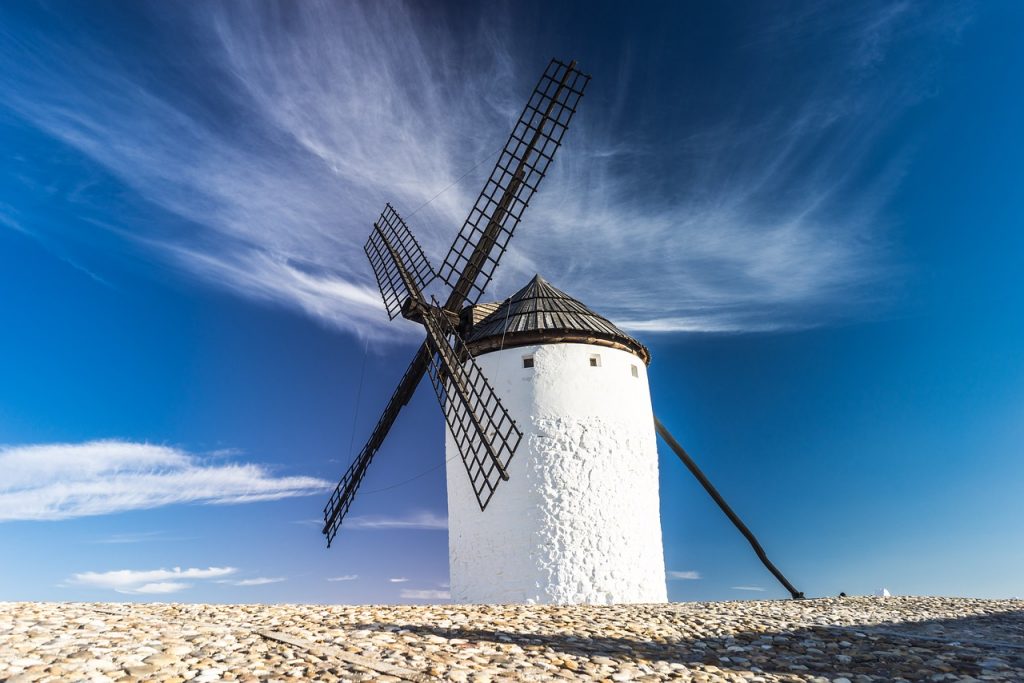
A energia eólica é uma energia cinética obtida a partir das correntes de ar que se geram na atmosfera como consequência do aquecimento irregular da superfície da Terra. Desta forma entre 1% e 2% da energia proveniente do Sol se transforma em vento. Durante o dia os continentes transferem uma maior quantidade de energia solar para o ar do que as massas de água, fazendo com que o ar se aqueça e se expanda. Este ar tornou-se menos denso e por isso eleva-se. O ar mais frio e pesado que provém dos mares, oceanos e grandes lagos, movimenta-se para ocupar o lugar deixado pelo ar quente.Por mais complexo que possa parecer este processo, a obtenção de energia eólica não é nada novo. Pelo contrário, o vento como força motriz tem sido utilizado desde a antiguidade. Tem movido as velas que impulsionavam os barcos e fez funcionar a maquinaria dos moinhos ao mover suas pás. Os primeiros foram construídos em Sistã (Afeganistão) no século VII. Eram moinhos de eixo vertical com lâminas retangulares. Os primeiros moinhos apareceram na Europa no século XII na França e Inglaterra, e a partir daí expandiram-se pelo resto do continente. Eram estruturas de madeira conhecidas como torres de moinho, que eram giradas manualmente em torno de um poste central para estender suas pás ao vento. O moinho de torre desenvolveu-se na França ao longo do século XIV. Consistia numa torre de pedra coroadas por uma estrutura rotativa de madeira que suportava o eixo do moinho e a maquinaria que se localizava na sua parte superior. Estes primeiros protótipos tinham uma série de características em comum: da parte superior do moinho protrudia um eixo horizontal do qual partiam entre quatro e oito pás que chegavam a atingir nove metros de comprimento. A energia gerada pela rotação do eixo era transmitida através de um sistema de engrenagens até à maquinaria do moinho situada na parte inferior do mesmo.
Atualmente a energia eólica é utilizada principalmente para obter eletricidade através de aerogeradores. Dentro deles a energia eólica move uma hélice, e através de um sistema mecânico faz girar o rotor de um gerador que produz energia elétrica.

Siber Ventilação
Postagens relacionadas

Por que é necessária a ventilação mecânica nas habitações?